




The world of online trading attracts many people looking to earn money through investments and currency fluctuations. However, among legitimate brokers, there are those who operate solely to deceive their clients. Quick-Go is one such broker, which, according to numerous reviews, actively uses fraudulent schemes to extract money from trusting investors.
Introducing this topic is important because, at first glance, Quick-Go’s website and promises appear quite convincing. The platform offers a wide range of financial instruments, promises high profits, and instant access to the markets. But the reality is entirely different. Many clients do not even manage to start trading properly before encountering problems with withdrawals, sudden account blockages, and aggressive psychological pressure from managers.
The goal of this article is not only to warn about Quick-Go but also to thoroughly analyze their methods, show exactly how they deceive investors, and provide concrete advice on how to recover funds with the help of DNB Forex Review specialists. We will present the information in a simple and clear language so that anyone, even without trading experience, can understand the scam scheme.

Information about the fraudulent broker, overview
On Quick-Go’s website, supposedly attractive trading conditions are presented: a fast start, professional analytical tools, personal managers, and high income.
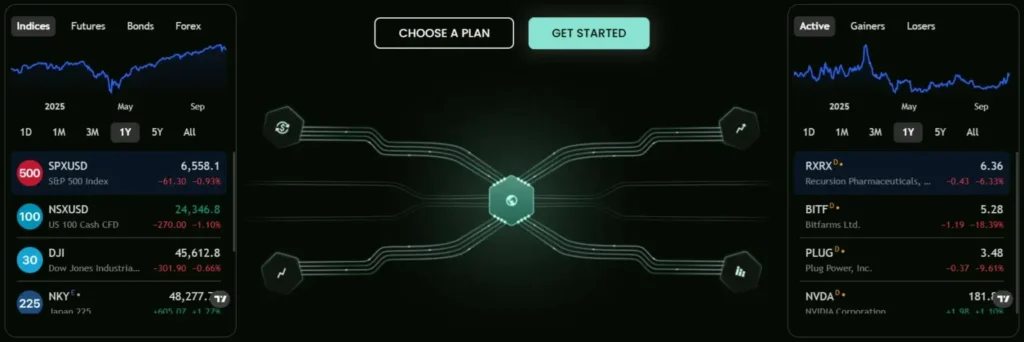
However, upon closer inspection, most of the information is purely promotional and lacks verification.
Quick-Go positions itself as an international broker with decades of experience and thousands of satisfied clients. The website lists licenses and alleged registrations in countries with reliable financial systems, but these are either completely fabricated or links to fake documents. Official regulators have no records of Quick-Go, which is the first warning sign.
The platform offers clients a variety of accounts: from minimal deposits to VIP accounts with “exclusive bonuses.”
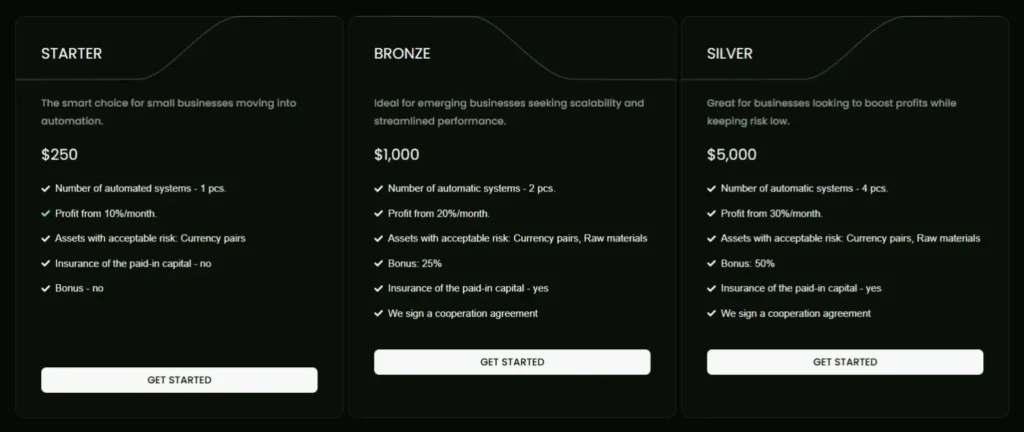
Managers actively push for additional investments, promising fantastic returns that are realistically unattainable. Meanwhile, all operations and trades occur on a closed platform, making it impossible to independently verify the success of the trades.
It is also worth noting that Quick-Go actively uses psychological tricks: creating a sense of urgency, offering time-limited bonuses, and promising to double deposits. All of this is aimed at making clients invest more money and thereby increase the victim’s losses.
Furthermore, the internet is full of negative reviews describing how accounts were blocked without explanation, funds disappeared after withdrawal attempts, and managers created an illusion of control while the money went into unknown directions.
Verification of company data
The first step when dealing with any broker is to verify the company’s data. Quick-Go apparently avoids transparency as much as possible. The website lists registration details and licenses, but checking official regulator databases, such as the FCA (UK), CySEC (Cyprus), ASIC (Australia), or the Central Bank of Russia, reveals no information about the company.
The listed legal address is either fake or belongs to virtual offices, which is highly suspicious. Contact phone numbers often lead to call centers where operators cannot provide real documents or license confirmations.
Special attention should be paid to the absence of public financial reports. Reliable brokers are required to regularly publish transparent information about their income, licenses, and compliance with safety standards. Quick-Go has none of this. This is a serious signal that the broker operates without supervision, increasing the risk of fraud to 100%.
Even the “client” reviews on the platform’s website are suspicious — they are highly generic and often repeated across different fraudulent broker sites. This indicates that Quick-Go is trying to create an illusion of legitimacy without real proof of operation.
Exposing the fraudulent broker
Quick-Go exhibits classic signs of a fraudulent broker. First of all, it is impossible to withdraw funds without enormous pressure from managers. Clients are forced to make additional deposits under the threat of bonus blockage or supposedly “account verification.”
Another warning sign is the use of aggressive marketing. Managers actively call, message, and convince investors to invest more, promising guaranteed profits. As soon as a client attempts to withdraw even part of the funds, a chain of problems begins: unexpected fees, requests for documents that are irrelevant to security, and so on.
Quick-Go also conceals the real mechanism of the platform. Client trades are effectively controlled by the broker, allowing them to manipulate results and create an illusion of losses or profits for the company’s benefit. Users report an inability to close positions, sudden price changes, and account access blockages.
All these signs are classic financial fraud: pressure, account manipulation, creating an illusion of control, and using psychological techniques to extract money from clients. Anyone facing these practices should understand: this is not accidental, but a systematic scam.
Scam scheme of the fraudulent broker
Quick-Go’s scheme is fairly standard for fraudulent brokers but works effectively. The first step is aggressive client acquisition through advertising and social networks. Promises of huge profits and safe trading attract inexperienced people.
Next, a client account is created and a personal manager is assigned. This person maintains constant communication, convinces the client to deposit funds, and periodically offers “exclusive opportunities” to increase income. Under the guise of bonuses or special conditions, managers extract additional money.
After funds are deposited, the most critical stage begins. The client tries to withdraw some money — and obstacles appear: “identity verification required,” “system error,” “processing fee,” and other excuses. Ultimately, part or all of the deposit is blocked, and managers stop responding.
Another element of the scheme is misrepresentation and psychological pressure. Clients are threatened with profit loss or access restrictions if they do not make additional deposits. In some cases, scammers display “fake successes” in the account, showing alleged capital growth to entice further investments.
The goal of the scheme is to extract the maximum money from the client and completely eliminate the possibility of recovery. Therefore, it is important not only to understand that this is fraud but also to know how to act next.
How to recover money from the fraudulent broker
If you have become a victim of Quick-Go, do not give up. DNB Forex Review specializes in recovering funds from dishonest brokers. Work with them starts with analyzing all documentation and correspondence with the broker: contracts, screenshots of transactions, messages with managers — all this helps build evidence.
Next, DNB Forex Review specialists contact the broker, submit official claims for fund recovery, and, if necessary, initiate legal proceedings in international jurisdictions. At the same time, they use bank and payment system mechanisms to recover part of the funds even before legal processes are complete.
It is important to understand that attempting to recover funds independently without expertise often fails, as scammers know how to hide their tracks. DNB Forex Review, however, works systematically: verifies document legitimacy, traces funds, and uses legal tools to maximize recovery chances.
Additionally, DNB Forex Review advises victims on how to communicate safely with scammers and avoid falling for new scams, which is especially important for those recently targeted by Quick-Go.
Negative reviews about the broker
Reviews from Quick-Go victims on forums and specialized sites are full of similar stories. People describe how, after depositing funds, managers actively demanded additional money, promising to double profits. When it came time to withdraw, clients faced account blocks and refusal of payment.
Some users noted threats of legal consequences if they did not meet the “bonus activation” conditions. Others complained about the inability to cancel trades and sudden price changes, leading to losses even for cautious investors.
All reviews share one thing: Quick-Go does not fulfill promises and uses psychological manipulation to extort funds. Victims note that without specialist intervention, recovering money is almost impossible.

Hidden nuances of Quick-Go’s operations: what you need to know
In addition to direct fraudulent actions, Quick-Go employs several hidden tricks rarely mentioned in standard reviews. For example, they actively analyze clients’ psychological profiles. Managers find out how a person reacts to stress, threats, or promises of quick profit and tailor their pressure strategy accordingly.
Another point is hidden fees and payment barriers. Even if a client thinks they are making a safe transfer, the broker’s system automatically deducts additional charges not mentioned in the contract.
Quick-Go may also use “fake reviews” and “success stories” to create an illusion of legitimacy. These materials often look professional but, upon verification, turn out to be entirely fake or copied from other scam sites.
All these nuances make working with Quick-Go extremely risky. Even experienced traders who understand basic market principles are vulnerable if unaware of these hidden traps.
Conclusion
Quick-Go is a classic example of a fraudulent broker that lures clients with promises of high profits, then uses psychological pressure, hidden fees, and account manipulation to extract money. Verification of the company’s data shows no licenses or transparent financial information, and numerous victim reviews confirm the widespread nature of the scam.
If you have fallen victim to Quick-Go, it is crucial to act quickly with professional support. DNB Forex Review provides a full range of services for fund recovery: from analyzing documentation and correspondence to legal actions and interaction with banks. With their help, the chances of recovering your money are significantly higher than attempting it alone.
Do not let scammers deceive you again. The sooner you contact specialists, the higher the likelihood of recovering your funds and protecting yourself from new attempts of fraud.
Do not let scammers escape punishment. Act now to protect your rights and recover what belongs to you.






Sadly I got scammed today at around 16:00hrs after answering a call from what I thought was a broker from one of the online trading apps I had downloaded. In hindsight, I should have at least asked the name of the company they were representing, before agreeing to take the call further. It turns out two men from what lead to a sight called Quick-Go.com, were in fact not legit. They took a deposit and then said it hadn’t gone through because the link had “timed out” , so they sent another link and that one went through. When I checked with my bank, two separate ones had gone through. I’d come off a night shift and was still tired and dazed. I wasn’t looking for big profits, I had just wanted a small account to get started in trading regular assets, nothing fancy and no expecations of massive gains. I am lucky I wasn’t able to deposit more, I would have easilly gone into deep debt. After much research I found that Quick-Go also showing up as qk-go, have done this before. I reported to my bank and have gathered all screen shots of two emails and the screen shot of what looked like a live account that they had talked me through. It showed the second deposit on it, I know both deposits have vanished without a trace. Make sure you check with the FInancial Authorities in your respective countries to ensure they are legitimate and they are not just copying legit company logos.
Specialists will contact you after you leave a request on the website.