




When we first encounter promises of quick and easy earnings—whether through social media ads, push notifications, or email campaigns—it’s always important to be extremely cautious. Especially if a broker appears claiming that “you are the next millionaire,” “the trend is already going up,” or “invest now and everything will change.” This is exactly how schemes work that thousands of people fall for—and this is the model used by Asiriosar.
In this review, we will thoroughly examine what this company really is: from its claims to actual behavior, availability of documents and licenses, reviews from affected clients, pressure methods, money-extraction schemes, and—most importantly—how exactly you can try to recover your funds with the help of DNB Forex Review specialists. The goal is not just to warn, but to arm you with knowledge: whether you have already dealt with Asiriosar or are just considering working with them, you need to understand all warning signs and know what actions are possible.
No official broker operates like this: without transparency, without a license, with constant additional requirements. And while you read this text—remember: time is not on your side. The longer a loosely regulated intermediary holds your funds, the harder it becomes to recover them. But there is a way—and we will show you how to take advantage of it.

Information about the fraudulent broker, overview
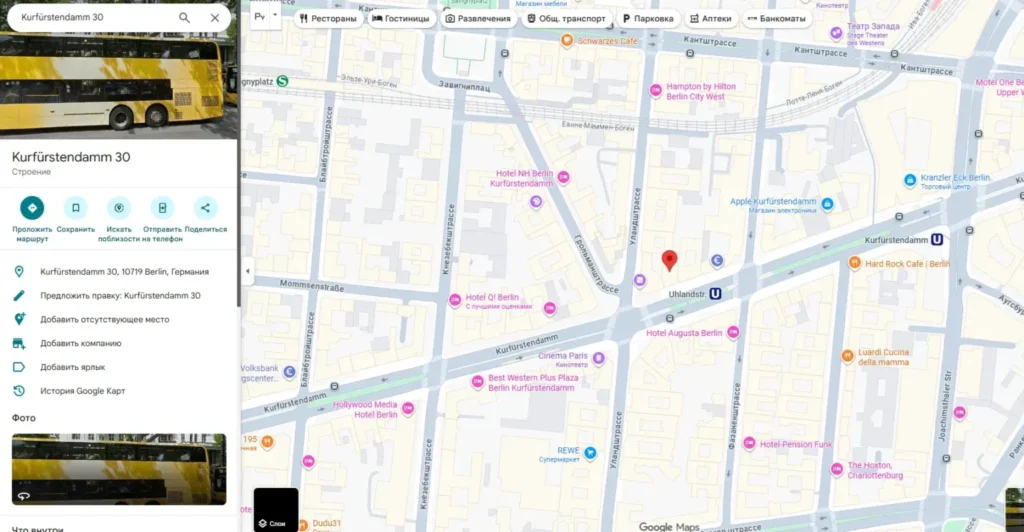
The company Asiriosar (website asiriosar.com, sometimes also using the domain asiri-osar.co) positions itself as a “reliable international broker” with an office in Berlin (Kurfürstendamm 30, 10719) and licenses from various regulatory authorities.
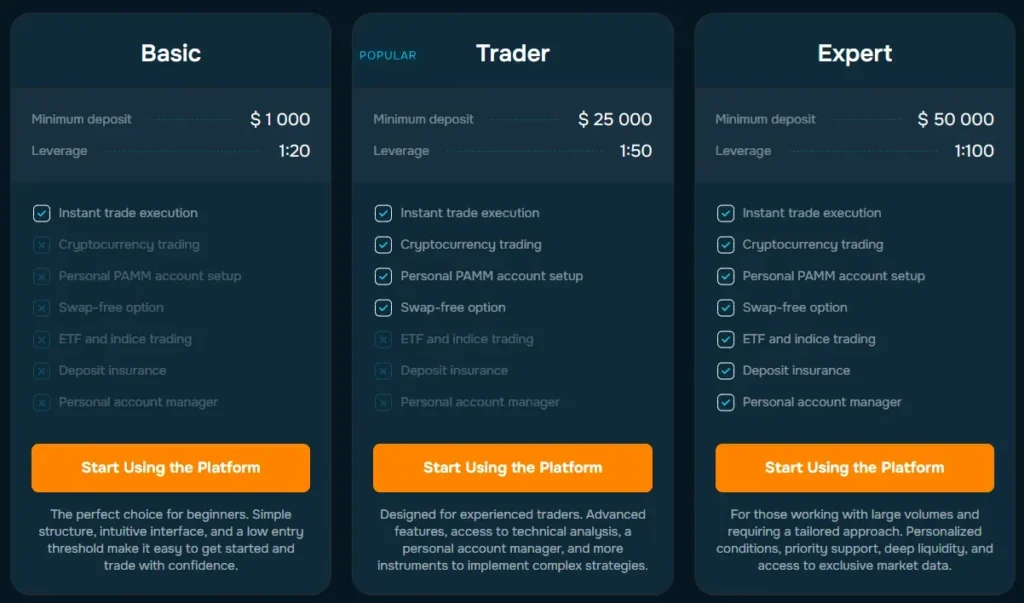
On the website, it is claimed that the company has been operating since 2017, servicing accounts in rubles, dollars, and euros, offering different trading account levels—“Basic,” “Trader,” “Expert.”
Also promised are assets: currency pairs, metals, indices, cryptocurrencies, fixed-term investments (e.g., 1–36 months with ~3.5% annual returns), and a personal manager for premium accounts.
However, despite this bright picture, a deeper examination reveals numerous red flags. For example: minimum deposits start from $1,000 and higher (or even $25,000 and $50,000 for other levels)—typical for schemes that require a large initial deposit to accelerate the “trap.” Leverage of x20, x50, x100 is mentioned, but without details on execution conditions, slippage, requotes, or commissions. The platform looks like a browser terminal + QR code to download an app; marketing is high, but proof of actual work is absent.
Customer communications are aggressively targeted: managers call or send proposals to invest immediately—a common tactic of small scammers, but here it is presented as if by a serious brand. Reviews show that when trying to withdraw funds, “unexpected” fees, restrictions, and account blocks appear.
The review shows: on the surface, everything looks like a solid broker, but beneath this façade is a typical scheme. The entire system is built not on real markets and client service, but on attracting deposits, avoiding withdrawals, and creating a debt trap.
Verification of company data
One of the key steps when checking a broker is to find out: do they have real licenses, are they supervised by a regulator, do they have legal registration, open information about owners and addresses? In Asiriosar’s case, practice looks as follows:
The domain asiriosar.com was registered on March 17, 2018. However, by summer 2025, WHOIS updates occurred, infrastructure changed, and virtual offline offices were indicated (e.g., the Berlin address—Kurfürstendamm 30—is used by many rental companies and does not indicate a real office).
Checking public regulatory registers (e.g., Germany’s BaFin) shows no data on a company named Asiriosar or “Asirios AR GmbH.”
The website provides “licenses” from various regulators—VFSC, FCA, DFSA, CSSF, etc.—but there are no license numbers, no links to valid registries, no document copies, making the license claims unverifiable.
Addresses on the website are unverified: the Berlin address is given, but the domain shows virtual registration and no connection to a real office.
During registration and work, clients are asked to deposit money before adequate information is provided: no separate page with owner disclosure, no public KYC/AML policy (or it is hidden), no reports. This is a sign of a fraudulent structure.
Thus, formally Asiriosar appears as a functioning broker—website interface, promises, marketing. But legally, regulatorily, and documentarily it is unverified and is considered a high-risk project. From a data verification standpoint, the warning signals are overwhelming.
Exposing the fraudulent broker
In this section, we examine the signs of fraud and the methods clients face with Asiriosar. If you are working with this company or receive offers from them, here is a list of “red flags” that will help you see: this is not a broker but a scheme.
Active calls/emails. The client receives messages like: “We found an excellent strategy for you,” “It’s time to enter—the market is moving now.” These are often used by scammers to capture attention and gain trust. Reviews show Asiriosar actively sends such invitations.
High income promises + large entry. You can start with a small amount, but the manager insists on higher deposits: “to earn seriously, you need to deposit more.” For example: a client deposited $150, then was persuaded to deposit $300 or more.
Fictitious licenses and “virtual” addresses. When a broker claims to operate under a license, but no regulator confirms this, it is one of the most significant red flags. In Asiriosar’s case, licenses are either absent or fictitious.
Lack of transparency in terms. Spreads, commissions, execution types are undisclosed; the trading platform is superficial; no trading reports. This means the client cannot see the real conditions.
Additional withdrawal fees. When a client decides to withdraw, the broker demands insurance, tax, commission, “due to sanctions,” etc. Reviews of Asiriosar show requests for 20% of the amount or other payments before withdrawal.
Account blocking or “technical maintenance” during withdrawal attempts. Clients see everything was fine, profits grow, but when pressing “withdraw,” the terminal shows an error, support doesn’t respond, the manager disappears. This is a typical “kitchen broker” scenario.
Escape after receiving money or domain change. Sometimes the website stops working, the domain is moved, the company disappears. For Asiriosar, it has been noted: the site may become unavailable or switch to another domain, complicating fund recovery.
All together, this paints the picture of an unregulated financial intermediary—a typical fraudulent project whose goal is to take your money before you realize you have been scammed. That’s why it’s important not only to recognize such signs but to act quickly and wisely.
Fraud scheme of the broker
To understand how Asiriosar operates, let’s go step by step—from the first contact to the point when funds are practically inaccessible. This helps you (or your acquaintances) see where the trap is and why it works.
Step 1. Initial attraction.
A manager calls or writes: “We have an exclusive offer,” “risk is minimal,” “the market trend is excellent.” You are persuaded to register, open an account, and deposit initial funds. For Asiriosar, entry may start from $500–$1,000 or more (for “premium” accounts).
Step 2. Creating the appearance of trading and profit.
After depositing funds, the client is shown an interface, possibly demo profitable trades, promised a personal account manager, analysts, “deposit insurance.” Everything looks like normal brokerage work—just enough to make you believe and invest more.
Step 3. Increasing investment pressure.
The manager says: “To withdraw larger profits, you need to increase the amount,” “our signal is now, don’t miss it,” “special offer today only.” The client agrees and deposits more. The manager motivates you to invest more and faster.
Step 4. First withdrawal attempt—obstacles appear.
When trying to withdraw: “You need to pay tax,” “insurance is required,” “due to sanctions—a guarantor procedure via the bank is needed.” Asiriosar requests 20% of the amount or other fees, initially promising withdrawal without payments, but as soon as you target it, a new “advantageous” service appears.
Step 5. Account freeze / platform block / domain switch.
After the “moment of truth,” access to the account may be blocked, the site stops working, or a “technical pause” is introduced, and the manager disappears. Clients find funds unavailable, requests ignored.
Step 6. Scammers leave or rebrand.
After funds are “blocked,” scammers usually disappear: domain closes, contact lost, payouts cease. Asiriosar review confirms that the site may become inaccessible or continue to operate without withdrawal capability.
The scheme is simple but well thought out. Its strength is that everything first looks like a normal broker, and only later do you realize you are trapped. The combination of psychological pressure, promises, high entry threshold, and withdrawal impossibility makes it dangerous.
How to recover money from a fraudulent broker
If you have already become an Asiriosar client and deposited funds—not all is lost. However, recovery requires speed, appropriate actions, and qualified support. Below is what is important and how DNB Forex Review specialists can make a difference.
Do not deposit any more funds.
Scammers will ask for insurance, commission, tax. Do not comply. Every new deposit only increases risk and complicates recovery. As confirmed by reviews of Asiriosar victims.
Gather evidence.
Save all emails, chats, call recordings, account screenshots, payment statements, contracts. Even if incomplete, every document matters. It is the basis when contacting lawyers.
Contact DNB Forex Review.
Professionals will assess the situation, suggest a recovery method (chargeback, bank recovery, legal claim), help prepare documents, and interact with banks and payment systems.
Request a chargeback.
If you deposited via a bank card, you can demand reimbursement through the bank. The sooner it is done, the higher the chance of success. Many Asiriosar review sites indicate: “chargeback is a key tool.”
Legal action.
If the amount is significant or there is evidence of fraud, a lawsuit or complaint to law enforcement is possible. DNB Forex Review specialists know how to build the chain of responsibility and involve third-party experts.
Do not waste time.
Every day the broker holds the account, risk increases: the site may disappear, domain may close, staff may leave. Quick action increases chances of recovery.
Monitor your expenses and join victim groups.
Tip: keep in touch with other victims—joint claims and appeals can reduce legal costs. DNB Forex Review specialists can include you in communications and notifications.
Finally, do not expect a “quick fix.” Recovering funds from schemes like Asiriosar can take 4–6 months or more, but with qualified support, chances are much higher.
Negative reviews about the broker
Real people’s reviews are one of the most convincing indicators that you are dealing with a fraudulent scheme. Below are excerpts from complaints against Asiriosar.
“They will drain money until you finally realize it’s a kitchen. Fact: they are offshore, and that’s questionable.”
“Scammed for $3,000. As soon as I requested a withdrawal, they demanded a 20% ‘tax’ on the account. Paid it, and immediately a new excuse: due to sanctions in Russia, a guarantor procedure via the bank is required…”
“I haven’t been able to log in to asiri-osar.co for three days, always getting an ‘Oops…’ error. My $1,000 is stuck. Support only responds with excuses about maintenance.”
“I invested ₽250,000 through asiriosar.com. After the first profitable trade, the platform stopped opening. Support said: ‘Your account is blocked due to suspicious activity.’ Four months passed—no response.”
“The manager told me minimum $500. What a scam… Normal companies accept even $100. It became clear it’s better not to work with this project. I refused. Employees were pushing for a week!”
Overall pattern: first promises and trust, small profits, then requests for higher investments, then withdrawal attempts are blocked or additional fees demanded. Complaints increase, showing systemic problems.

Additional topic: How to recognize such schemes in advance
We have already discussed fraud signs, but let’s highlight how to identify a trap before investing.
Check domain and site history.
Fraudsters often use old domains or buy existing ones to create a sense of history. Asiriosar’s domain was registered in 2018, but WHOIS updates and infrastructure changes indicate it was recently reactivated—a typical signal.
Search for legal information.
A serious broker should have: a legal entity (name, country of registration), registration number, license with number, regulator name, document copies. If absent or unverifiable—very high risk. Asiriosar lacks such verifiable data.
Payment transparency.
Reliable brokers provide bank transfers with corporate accounts, cards, and transparent processes. If only personal cards, crypto, or P2P transfers are accepted—red flag. Reviews indicate Asiriosar accepts funds to personal accounts/wallets.
Withdrawal terms.
Check if the site has clear minimum withdrawal, timing, commissions, early withdrawal terms. If hidden or changing after deposit—bad sign. Asiriosar conditions change; fees appear suddenly.
Social proof.
Reliable brokers have history, reviews, client stories, active social media, public reports. If reviews are few, overly positive, or posted at the same time, client base is likely fake. Asiriosar site is low-traffic, low activity.
Your intuition and pressure.
If the manager pressures: “money won’t wait,” “special offer today,” “others are fast,” it’s marketing, not service. Many Asiriosar victims noted pressure to “invest more” after first deposit.
These simple measures help avoid traps and prevent serious financial loss.
Conclusion
Asiriosar is not just a risky broker but a classic fraudulent broker. It shows everything an investor wants: licenses (even fictitious), addresses (virtual), account manager, promises of growth. But behind it is a system built on deposits, manipulation, withdrawal refusal, and hidden fees.
Most importantly: if you work or have worked with this intermediary—don’t wait for the situation to “resolve itself.” The earlier you involve DNB Forex Review specialists, the higher the chance to recover at least part of your funds. They know how to gather evidence, initiate chargebacks, and interact with banks and payment systems.
Yes, recovery is not 100% guaranteed, especially if the project has already disappeared or the domain changed. But doing nothing almost guarantees loss. If you notice even one warning sign (high entry threshold, investment pressure, lack of license, new withdrawal fees), consider yourself at risk.
Turning to professionals is not weakness, it is realism. Following the scammers’ suggestions today usually leads to loss, not gain. DNB Forex Review specializes in such cases, helping build an action plan to maximize recovery and minimize losses.
Beware of flashy ads, “guarantees,” and mental pressure. If you haven’t invested yet—think twice. If you already have—take action. Remember: your financial responsibility is not only about money but also about how you perceive warning signals. Don’t let manipulation take control.
Contact DNB Forex Review specialists—and start acting now. Your financial security deserves it.






I lost money to asiriosar several months ago, and thanks to your company I’ve now been able to reclaim part of it. The process was not easy, but your team worked steadily and kept me informed.
Thank you, Li Wei. We’re glad we could support you through this. Recovering from fraud can take time, but we’ll continue to push for the best possible outcome.
I was horrified to realise I’d been duped by this “asiriosar” scam. I transferred a large sum thinking it was a legitimate platform — now I don’t know where to turn. Can your firm actually help me recover the full amount?
Hi James – yes, we can help you. Please send us all transaction records, emails, and any evidence, and we’ll assess your case to see what legal and financial recovery options are available.