




In the world of online investments, more and more companies promise the moon but end up leaving people with nothing. One such “miracle broker” is Fidelity Invest — a platform attempting to hide behind a big name, reminiscent of the well-known international investment company Fidelity Investments. At first glance, everything seems solid: a stylish website, supposedly modern technologies, confident “managers” promising easy profits and 24/7 support. But if you dig a little deeper, underneath the shiny surface lies a typical scam scheme.
People, trusting the persuasive words and convincing calls, transferred their savings hoping for quick earnings. And then — silence: the money disappears, communication is cut off, and the website gradually changes addresses and contacts.
Today we will take a detailed look at who Fidelity Invest really is, how they scam clients, why their activity cannot be considered legal, and how you can recover your funds with the help of DNB Forex Review, a company that professionally deals with money recovery from such fraudsters.

- Broker Information: Big Name, Empty Promises
- Company Verification: Empty Promises Instead of Real Documents
- Exposé: Clear Signs of Fraud
- How the Fidelity Invest Scam Works
- Recovering Funds from Fidelity Invest with DNB Forex Review
- Negative Reviews and Victim Stories
- Why People Still Fall for Such Brokers
- Conclusion: Don’t Get Scammed — Act with DNB Forex Review
Broker Information: Big Name, Empty Promises
Visiting the site thrufidelis.com gives the impression that you are on the resource of a serious investment company. Pleasant design, phrases like “innovative solutions,” “reliable investments,” “experienced analysts” — all textbook marketing. But this has nothing to do with reality.
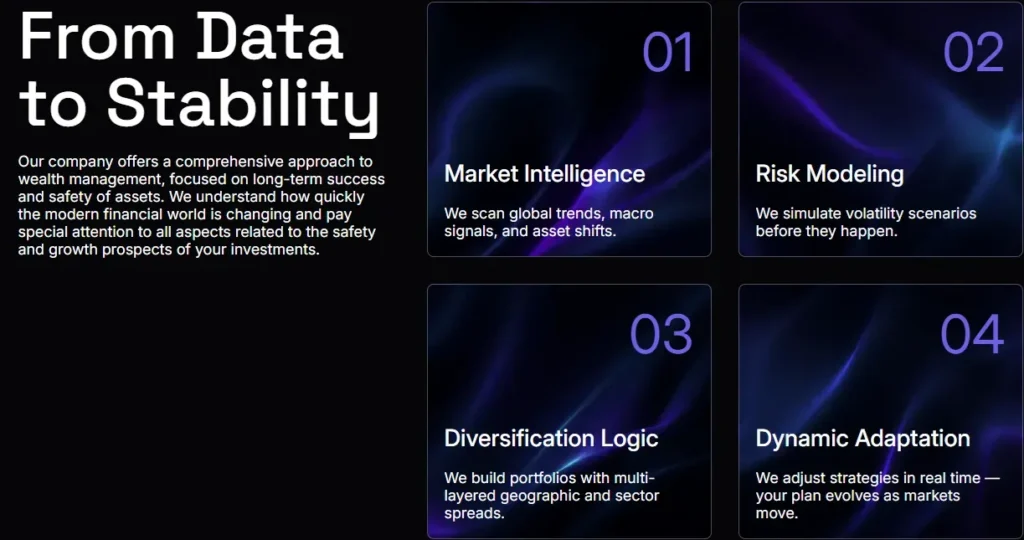
The name “Fidelity Invest” is not chosen by accident. It is strikingly similar to the international giant Fidelity Investments, which indeed has a good reputation. The scammers count on many users not noticing the site domain and believing they are dealing with a well-known organization. This is a typical tactic for fake brokers — playing on trust and the brand of a real company.
There is no legal address, license number, or regulator information on the site. Everything that can be found are general phrases like “we operate worldwide,” “we are regulated by international standards,” “our traders have years of experience.” However, there is no proof. Even the contact section looks suspicious: only a contact form and a non-working email address are provided.
Trying to reach “support” yields a polite but empty response. The first conversation with a “financial consultant” makes it clear that their goal is not to explain the market but to convince you to deposit funds. All attention is focused on one thing — getting the person to send money as quickly as possible.
Company Verification: Empty Promises Instead of Real Documents
To determine whether a company is legal, you need to check where it is registered and if it has licenses. With Fidelity Invest, it is all bad. Neither the site nor public databases provide any links to official documents.
Searching for “Fidelity Invest” in financial regulator registers — FCA (UK), CySEC (Cyprus), or ASIC (Australia) — yields nothing. This broker simply does not exist. Sometimes scammers display “certificates” on the site, but there are none here. Another red flag: a company supposedly operating internationally cannot even produce a fake document — meaning they don’t care if anyone notices the deception.
The address occasionally mentioned in correspondence with clients (e.g., “London, UK”) is also fake. Checks show no company exists there. Moreover, the domain thrufidelis.com was registered recently by an anonymous owner via a data protection service — a typical scammer tactic to hide traces.
Digging deeper, it is evident that the same hosting previously hosted pages of other suspicious “investment companies” that later disappeared. This indicates a whole network of clones; once one platform is exposed, they launch another with a new name.
Exposé: Clear Signs of Fraud
There are several signs that immediately reveal Fidelity Invest is not a broker but a scam:
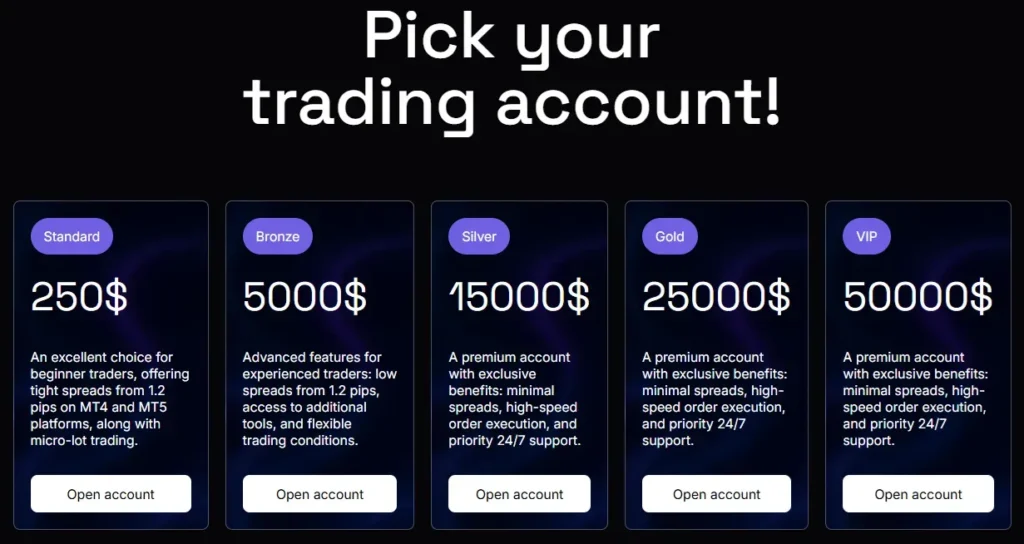
No license. The company is not regulated by any financial authority, despite claiming otherwise.
Name manipulation. The name is deliberately similar to a reputable firm to mislead people.
Aggressive marketing and pressure. After registration, “managers” call persistently, saying unique opportunities are about to end and urging quick deposits.
Fake platform. The trading terminal looks real, but it is just a simulation. All charts and indicators are fabricated, and “trading” occurs only on the user’s screen.
Withdrawal problems. Attempts to withdraw funds trigger stories about “fees,” “account verification,” or “technical checks.” No one receives any money.
Account deletion and blocking. Suspicious clients writing angry emails have accounts blocked; the site may then disappear entirely.
These behaviors align perfectly with typical online scammers. Fidelity Invest is not just a “bad broker,” it is a fake organization created solely to steal money.
How the Fidelity Invest Scam Works
The scheme is painfully familiar but still effective — especially for beginners seeking “extra income.”
Bait. It starts with online ads or social media posts: “Invest from $250 and earn up to 15% per week.” The link leads to a site that beautifully explains how easy it is to start earning.
First Contact. After registration, a “manager” calls. Friendly but persistent, they help “open an account” and claim you are lucky to join a “team of professionals.”
First Deposit. Usually a small amount ($250–500) is requested. Profits appear on the screen, convincing the user the system works.
Second Stage. Senior analysts call, praising results and urging larger deposits to “go professional.”
Blocking. Withdrawal attempts trigger excuses like fees, taxes, or “security checks.” Money never arrives, communication is cut off, and accounts disappear.
This is how Fidelity Invest profits — through trust, fear, and hope.
Recovering Funds from Fidelity Invest with DNB Forex Review
If you fall victim, it is crucial not to panic — recovery is possible. DNB Forex Review has years of experience investigating such cases and helps people worldwide recover stolen funds.
Experts at DNB Forex Review understand scam mechanisms inside out: where to trace transfers, how to properly file disputes with banks, and how to interact with international payment systems.
Process:
Initial consultation. Experts review your situation — when and how money was transferred, through which banks, and which documents remain.
Scheme analysis. Lawyers determine if funds can be recovered via chargeback or other legal tools.
Evidence collection. Official requests, bank statements, screenshots, and correspondence are compiled to prove fraud.
Interaction with banks and payment systems. DNB Forex Review works directly with banks and services (Visa, Mastercard, etc.) to freeze or return transfers.
Legal support. Lawyers involve international partners and initiate investigations against the scammers if needed.
The key is acting fast — the sooner you contact them, the higher the chance of tracing your funds.
Negative Reviews and Victim Stories
Online, dozens of users report losing money to Fidelity Invest:
“I was promised 10% per week. I deposited €500. Initially, it seemed fine, but when I tried to withdraw, support disappeared. My phone was blocked.”
“After my first deposit, an ‘analyst’ called and demanded another $2,000. When I refused, my balance vanished, and my account was closed.”
“I realized it was a scam when they asked me to pay taxes to withdraw funds. No legitimate broker does that.”
Often, the thrufidelis.com site simply stops working, and a new one appears with a different name but the same design and “team” — typical scammer practice.

Why People Still Fall for Such Brokers
Many victims are not careless; scammers exploit human emotions. They build trust, create a sense of friendship. Their “managers” speak confidently and convincingly — people simply don’t have time to notice warning signs.
Professional-looking websites with graphics, interfaces, online charts, and fake reviews make it believable. Seeing “profits” on screen reduces vigilance. This psychology is the foundation of successful scams.
Conclusion: Don’t Get Scammed — Act with DNB Forex Review
The story of Fidelity Invest is a typical example of modern scammers exploiting trust and the desire to earn. They lack licenses, hide data, operate under someone else’s name, and disappear with client funds.
But remember: you are not alone. If you lost money, there is still a chance to recover it. Lawyers at DNB Forex Review know how to act quickly and efficiently — gathering evidence, preparing documents, and achieving fund recovery.
Scammers will not return money voluntarily — you must take action. The sooner you contact DNB Forex Review, the higher the chance of recovering your funds and holding the perpetrators accountable.








I was contacted out of the blue by someone claiming to be from a high-yield broker called Fidelity Invest. They promised 10 % weekly returns and pressured me into a second deposit. Now the app is gone and they won’t respond.
That’s a common tactic, Aisha. The DNB Forex Review article describes exactly how these scammers operate — fake charts, made-up names, aggressive calls. Your best next step is to reach out to a recovery firm like DNB with all your proof (screenshots, bank statements) so they can start building a refund case.
I lost over $2,000 after trusting Fidelity Invest’s slick website and friendly calls. When I tried to withdraw, they vanished and stopped responding. I’m really scared — is there any realistic way to get my money back now?
Hi Jonathan, yes — DNB Forex Review outlines a process where their experts trace transfers, collect evidence, and work with banks to recover stolen funds. If you act quickly and share all your transaction records, they may be able to help.