




When a person enters the online investment market, it is important to understand: promises of easy and large profits are almost always a warning sign. Unfortunately, in the trading, Forex, and CFD services sector, there are many companies that disguise themselves as brokers but in reality focus solely on taking money. Trinity Hub is one such structure. In this article, we will examine in detail how it operates, what claims it makes, the warning signs of fraud, how its scam scheme works, complaints from victims, and — most importantly — how to act to recover your funds with the help of specialists at DNB Forex Review. If you or your acquaintances have dealt with this fraudulent broker, read carefully to have maximum information to protect your interests.

Information about the fraudulent broker, overview
Trinity Hub presents itself as a modern platform for trading financial instruments: currencies, stocks, cryptocurrencies, contracts for difference (CFDs), and more.
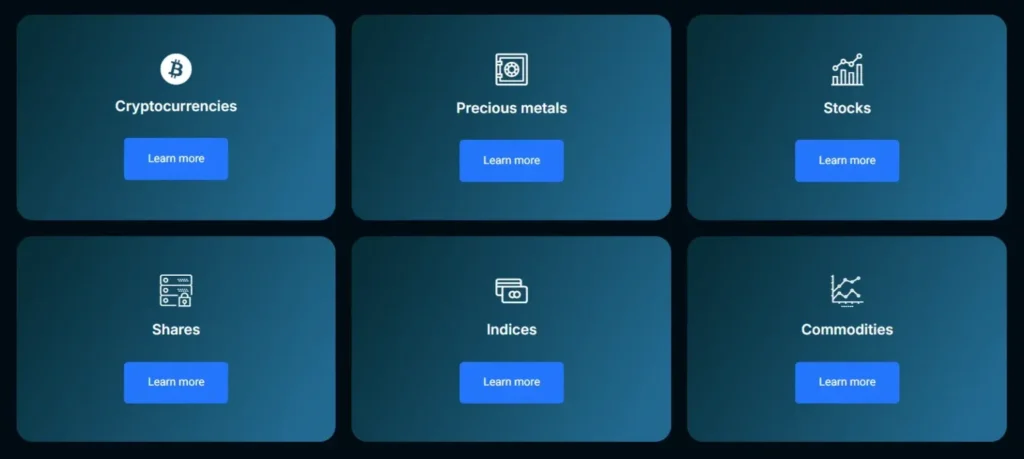
On the website trinityhub-online.com, it claims: “Your portal to financial markets,” promising an easy start, support, high returns, and access to “professional tools.”
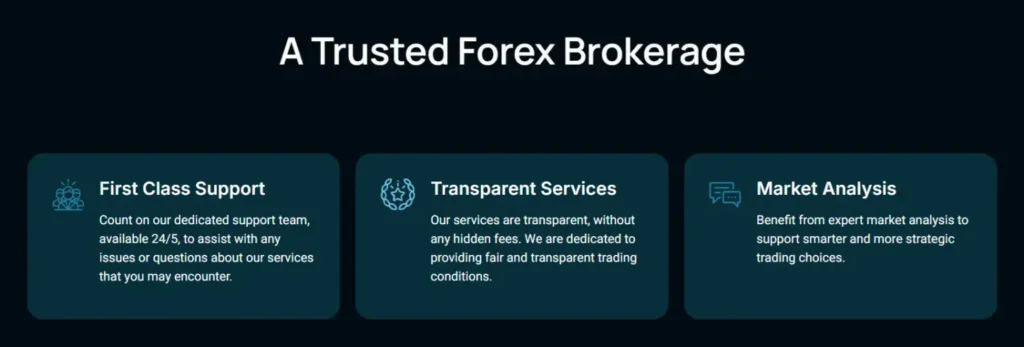
However, upon closer examination, the attractive exterior hides many warning signs.
Firstly, the domain trinityhub-online.com was registered recently, and the owner is hidden. According to Scamadviser, the site has a very low trust rating: the domain is only a few weeks old, the owner is hidden, and details are not disclosed. This is typical for scam websites: they launch, quickly collect money, and either disappear or change address.
Secondly, the broker claims to provide services similar to licensed companies: account registration, payments, trading. However, attempts to find real reviews, documents, or a physical address yield nothing: the site has no transparent information about the managing company, its licenses, audits, or regulatory membership. Everything appears to be a shell. Meanwhile, marketing advertises “exclusive conditions,” “personal manager,” “trading automation” — exactly the words scammers use to attract beginners.
Thirdly, there are no objective results of trading, independent reports, or verified success stories. There are no clear examples of users making money on the platform or what reports look like. Everything is just words. Trade conditions are either too general or promise “up to 500% per year” or “risk-free” — promises that are highly suspicious.
Aggressive marketing tactics are also used: email offers, manager calls, pressure to deposit quickly — a classic technique. After this, the client gets the illusion: “I am about to earn,” a personal manager is assigned, and some reports or simulations are shown, but withdrawals are either difficult or impossible — as will be seen later in the scam scheme.
Thus, the overview shows: Trinity Hub closely resembles another pseudo-broker. A visually appealing exterior hides almost no verified data, many promises, and many questions. A legitimate broker would provide more evidence: licenses, reports, verifiable reviews, public company data.
Checking company data
A key step for any potential client is to verify who you are trusting your money with. With Trinity Hub, the following warning signs are revealed.
Hidden owner, new domain
According to Scamadviser, the owner of trinityhub-online.com is hidden, WHOIS data is private, and the site is only a few weeks old. This is typical: scammers do not want to be traced. A serious company displays its legal entity, address, and contact information. Here — almost nothing.
No reliable license
Reviews of similar brokers note: lack of a license is a serious red flag. For Trinity Hub specifically, no license is indicated or verified. Operating without regulation means no safety guarantees, no ability to complain to regulators, and no protection of deposits.
Unclear jurisdiction
The site offers a promising description: “your portal to financial markets,” but does not specify where the company is registered, its legal form, or which country’s license it has. Often, offshore jurisdictions like the Caribbean or Seychelles are used — poorly protected. For Trinity Hub, the owner is hidden and no public data exists.
Lack of transparency about fund management and insurance
A good broker informs: client funds are segregated, there is protection from negative balance, and audited reports exist. For Trinity Hub, such data is missing or unverifiable. Lack of disclosure about fund storage suggests the company can use funds at its discretion.
Few or no verifiable reviews
Searching for Trinity Hub yields almost no public verified reviews, no clear company history, no independent media mentions. This implies either the company is new or does not want a trace. Reliable brokers have dozens of reviews over years. Here — almost silence.
In short, company data checks reveal multiple warning signs: new domain, hidden ownership, lack of license, unclear jurisdiction, lack of transparency. Trinity Hub should be considered a potentially fraudulent structure.
Exposing the fraudulent broker
Now that the basics are set, let’s discuss the specific fraud signs visible at Trinity Hub.
Sign 1: Promises of easy money
The Trinity Hub website promises market access with minimal effort and high returns. Phrases like “join now and start earning” or “a personal manager will show you how to withdraw profits” are common. Even licensed brokers cannot guarantee income, let alone quick high profits without risk. Claims of “up to 500% per year risk-free” are outright fraud.
Sign 2: High pressure to deposit
After registration, a “personal manager” often calls, describing how fast one can earn. The manager pushes the first deposit, offers allegedly favorable terms, sometimes mentions a minimum deposit. Such tactics are characteristic of scammers. Reviews of similar brokers note: “they continue showing fake profits, suggest taking loans or investing more.”
Sign 3: Difficulty or impossibility of withdrawal
When a client tries to withdraw, obstacles appear: “You must pay a tax first,” “Provide document X,” “Return the bonus first,” “Minimum withdrawal is huge,” or requests are ignored. For Trinity Hub, specific withdrawal data is scarce, but by analogy with other pseudo-brokers, this is almost guaranteed. Many users report withdrawals are impossible and support is unresponsive.
Sign 4: Unclear trading platform and reports
Scammers often provide their own unlicensed platform, showing “profits” while no real trades exist. The interface is often low-quality, buggy, with no history. Trinity Hub provides no verified data that its platform has been monitored or that order execution reports can be checked independently.
Sign 5: Hidden data and lack of oversight
Owner hidden, no license, no address — the company is outside regulatory reach. Without independent supervision, the broker can manipulate conditions and results. Lack of regulation means high vulnerability.
Overall exposure
Combine promises of easy money, hidden ownership, deposit pressure, withdrawal issues, lack of license — the company ceases to be a broker and becomes a scam. Trinity Hub fits this pattern. It is a typical pseudo-broker aiming to collect funds and disappear. Risk of losing money is extremely high. If you invested — act quickly.
Scam scheme of the fraudulent broker
Understanding the scheme helps prevent losses and warn others.
Step 1: Attracting clients
The company launches a website with a clean interface, promises returns, minimal effort, personal manager, and support. Advertising can be via email, social media, messengers, affiliate programs, or contextual ads. The client is encouraged to register, fill forms, sometimes deposit a small amount, and is assigned a manager.
Step 2: Initial deposit and “demonstration of success”
The manager encourages depositing to access “premium accounts” or a “personal consultant.” “Winning trades” are shown on the platform — the interface appears real, and profits may be paid (simulation or virtual numbers). The client invests more, sometimes takes a loan, or deposits extra “insurance.”
Step 3: Building trust and increasing deposits
Clients are offered additional opportunities: better rates, referral bonuses, exclusive signals. Managers actively call, message, and pressure clients. Real trades are absent or manipulated to show profits, encouraging further investment.
Step 4: Withdrawal obstacles
When attempting withdrawal, obstacles appear: taxes, document requests, bonus reversal, large minimum amounts. Requests may be ignored. For Trinity Hub, this is almost guaranteed based on similar scams.
Step 5: Account freeze / company disappearance
When clients stop investing or attempt withdrawals, communication stops, managers vanish, the website may close, domains change, and clients lose funds. Small payouts may have been used to build trust.
This scheme targets people seeking quick profits, inexperienced traders, and those trusting managers and promises. Scammers use weak regulation, hidden legal structures, minimal public presence, to escape without a trace. Collecting screenshots, conversations, deposits, and withdrawals is key for faster action.
How to recover money from the fraudulent broker
If you invested with Trinity Hub and face withdrawal issues, here’s how to act with DNB Forex Review.
Step 1: Gather evidence
Collect:
Screenshots of website, account, deposits, manager conversations;
Bank or cryptocurrency transaction statements;
Registration dates, conditions, bonus agreements, promises;
Correspondence with the broker, including withdrawal requests and responses or lack thereof.
These materials are needed for analysis, bank claims, or legal action.
Step 2: Contact DNB Forex Review
DNB Forex Review is a legal company specializing in recovering funds from dishonest brokers. Specialists:
Conduct legal audits: assess chances, company registration, jurisdiction;
Help prepare complaints to brokers, banks, or payment systems;
Determine whether chargebacks or fraud reports are possible;
Connect clients with international law experts for asset recovery if necessary.
Step 3: Contact bank/payment system
If a deposit was made via credit card, bank transfer, or payment system — a chargeback may be possible. Evidence collection is key. Inform the bank the broker misrepresented itself as licensed. DNB Forex Review assists with filing.
Step 4: Complaints to regulators and law enforcement
Even if Trinity Hub is unregulated, complaints can be filed locally and in the broker’s jurisdiction (if known). DNB Forex Review identifies jurisdiction and drafts letters.
Step 5: Follow-up and monitoring
Do not deposit more money, ignore promises of “one more deposit payment,” stay calm. DNB Forex Review monitors responses and helps recover funds. Immediate action increases chances.
Why working with DNB Forex Review matters
Recovering money independently is often ineffective due to international jurisdictions, manipulations, and lack of contacts. DNB Forex Review acts systematically, with templates, connections, and experience. Professional support increases the chance of recovering at least part of the funds.
Negative reviews of the broker
Although direct Trinity Hub reviews are scarce, the overall picture is clear:
According to Scamadviser, trinityhub-online.com has a very low trust rating;
Reviews of similar pseudo-brokers report: “Many people complain the broker promises profits, but when trying to withdraw, they demand more money or ignore requests”;
Reddit comment (on a different broker): “I have made several attempts to withdraw my funds and I keep getting denied… Anyway beware, be safe, and do research. So you don’t have to learn the hard way.”
Complaints include: no real trade execution, fake reports, unjustified deductions, account blocking.
The lack of positive reviews and high risk speaks for itself. Screenshots and stories are especially important for legal specialists at DNB Forex Review.

Lessons for the future
To avoid repeating mistakes:
Check broker jurisdiction: licensed in a reputable country (UK, EU, Australia)? If not — risky;
Find real reviews, especially about withdrawals;
Check domain age and WHOIS data; fresh domain and hidden owner — warning;
Avoid guaranteed profits — promises “risk-free” are almost always lies;
Be aware of psychological traps: limited offers, “today only,” personal managers;
Use separate accounts with small amounts for untested brokers;
Test withdrawals early; problems at this stage are bad signs;
Account for costs of recovery — financial, time, legal. Quick action increases chances.
Conclusion
Trinity Hub exhibits nearly all signs of a fraudulent broker: lack of transparency, no license, unclear conditions, promises of easy profits, deposit pressure, and absence of verified reviews. If you invested — act quickly.
DNB Forex Review offers support: evidence collection, fund recovery, legal complaints, working with banks and payment systems. Recovering funds without professional help is very difficult; specialists provide a real chance to get back at least part of your investment.
Do not wait for the broker to change domains, disappear, or freeze withdrawals — act today. Protect your funds: investing is planning, verification, and control. If it seems too good to be true — it probably is. DNB Forex Review can help restore justice.






I was defrauded by Trinity Hub. After months of anxiety, I reached out to DNB Forex Review. They supported me in gathering all necessary proof and working with my bank to file a chargeback. I’m not fully recovered, but I’ve already got part of my money back.
Thanks for sharing your experience, Jasmine. It’s good to hear that DNB Forex Review helped you secure a partial recovery — it’s not always easy, but gathering evidence and working through the banks often makes a real difference.
I recently deposited funds into Trinity Hub thinking it was a legitimate broker — but when I tried to withdraw, they made endless excuses. I’m terrified I’ve been scammed. I’m collecting my transaction records now — can DNB Forex Review help me recover this money?
Hi Oliver, sorry to hear about your situation. Yes — if you provide your deposit statements, screenshots of communications, and any withdrawal requests, DNB Forex Review may be able to assess your case and assist in recovering your funds.