




Recently, investment scammers have become particularly sophisticated: they promise extraordinary returns, offer “exclusive conditions,” and when it comes time to withdraw money — they disappear or start demanding additional fees. Sterling Capital is one such project, which has already raised concerns among many investors. Complaints have emerged that money has been invested but cannot be withdrawn. That is why experts at DNB Forex Review decided to thoroughly analyze who this broker is, what mechanisms it uses, and how victims can recover their funds.
In this review, you will find the company’s profile, signs of fraud, real reviews from deceived investors, as well as a detailed plan on what to do if you became a victim of Sterling Capital. This is not just analysis, but a kind of instruction — and a warning.

- Who is Sterling Capital: a detailed broker review
- Verification: How legitimate is the company?
- Signs of fraud: exposing the broker
- Scam scheme: how Sterling Capital defrauds clients
- How to recover money from a scammer: DNB Forex Review approach
- Real stories and negative reviews of Sterling Capital
- Psychological and reputational protection for investors
- Conclusion: why contacting DNB Forex Review matters
Who is Sterling Capital: a detailed broker review
At first glance, Sterling Capital positions itself as a major investment broker.
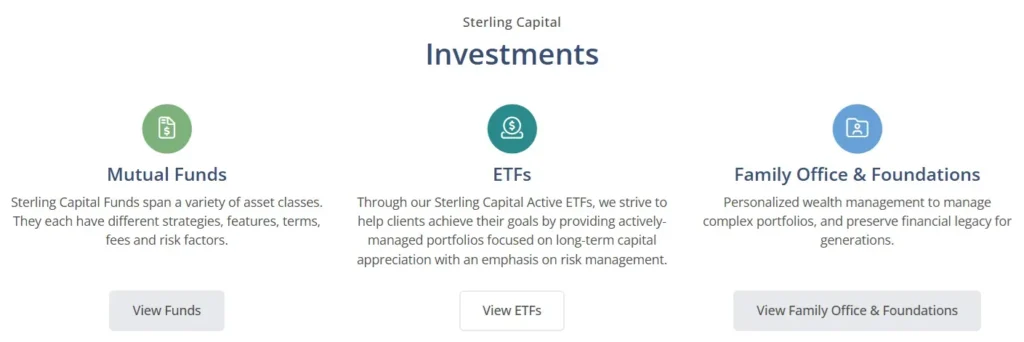
It has a website (for example, sterlingcapital.com) where various account types are described, promising “access to global markets,” personal account managers, high profits, and convenient platforms.
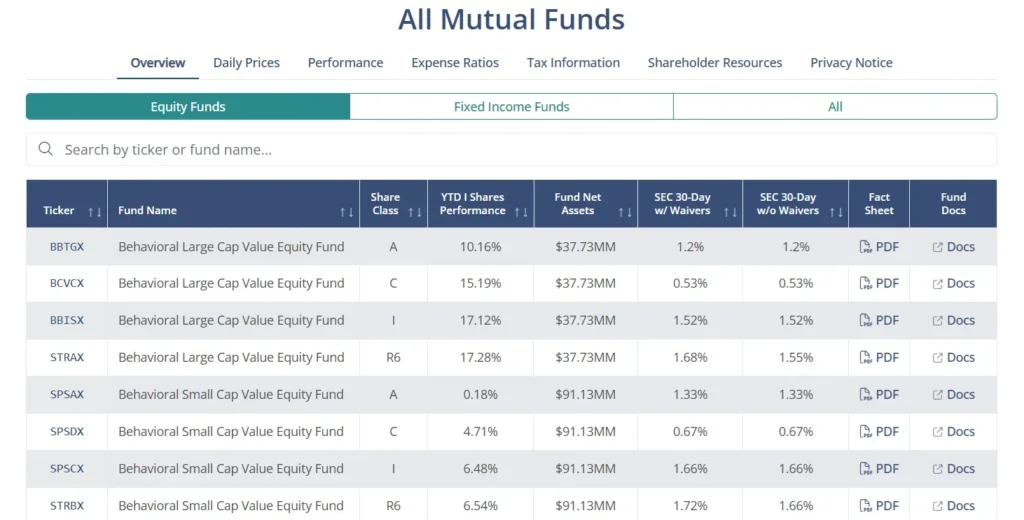
But upon closer inspection, worrying details begin to emerge.
Company domains: users mention not only the classic sterlingcapital.com, but also other domains — sterlingcapital.top, m.sterlingcapital.top, room.sterlingcapital.top.
Account types: the broker offers different levels — “Basic,” “Premium,” “Investor,” “VIP,” with varying minimum deposits and promised returns.
Profitability: Sterling Capital promises unrealistically high returns — sometimes up to 100–120% per year, which, according to experts, is impossible to maintain legally and consistently in real markets.
Platform type: according to reviews, the client “personal account” is not a real trading platform but a fake: pseudo-graphics, terminal simulations that are not actually connected to real markets.
Contact transparency: some websites provide contact forms, others only “support,” but no real phone number or working legal address.
Privacy policy: on sterlingcapital.com there is a privacy policy document (Online Privacy Practices), updated in March 2024. It states that the company may collect and use personal data, and user consent is given automatically when using the site. While standard, in the context of other warning signs, it reinforces the sense that clients are poorly protected.
Overall, the broker may appear attractive to someone wanting “quick earnings.” But behind this picture lie serious risk signals that need to be exposed.
Verification: How legitimate is the company?
To assess whether Sterling Capital is truly a legitimate and reliable broker, it is important to check factual data: licenses, registration, contact information, and reputation from independent sources.
Lack of regulation: According to BrokerChooser, Sterling Capital is not regulated by a top-tier authority. For many investors, this is the first and very serious warning sign: without a reliable regulator, the risk of fraud increases exponentially.
Anonymity and weak details: According to review sites, the broker’s legal address is either missing or suspicious. Support phone numbers are either absent or only provided as contact forms, and email addresses may be inactive. This is not typical of a serious investment broker.
Domain and trust verification: ScamAdviser evaluates sterlingcapital.com as not very reliable. The trust level is extremely low — a significant red flag. Likely, the site is registered anonymously (WHOIS data hidden), making ownership difficult to verify.
Financial documentation: Sterling Capital has a “Form CRS” (Client Relationship Summary) dated July 2024. It states the company has financial professionals who receive bonuses based on assets under management, implying motivation to “inflate” client investments. Conflicts of interest are also mentioned. However, this does not guarantee legitimate brokerage operations: CRS is a typical document for investment advisers in the U.S., but does not prove the broker is stable or honest.
External analyst evaluation: Traders Union gives the broker a 2.78 out of 10, indicating extremely low reliability. Analysts point to poor transparency, low client trust, and serious regulatory concerns.
Overall, data verification shows that there are almost no official signs of a strong, legitimate brokerage. There are many claims, but few real confirmations — already a substantial basis for suspicion.
Signs of fraud: exposing the broker
Having analyzed who Sterling Capital is and its legitimacy, let’s look at clear signs of fraud confirmed by reviews and analyses.
Unrealistic profit promises: Promises of 100–120% annual returns, especially without obvious risk, are a classic scammer tactic. Real brokers rarely offer such guarantees due to market volatility.
Aggressive sales and manager pressure: According to reviews, after the first deposit, Sterling Capital “managers” actively encourage investors to deposit more: “special offers,” “promotional conditions,” “high percentage.” This is typical of fraudulent brokers — lure with a low threshold, then push for more investment.
Fake platform and charts: Clients report that their account interface is just eye candy: graphs appear real but may not correspond to real market data. Users are essentially watching manipulated visualizations.
Withdrawal blocks and extra payments: One of the most common complaints: when trying to withdraw funds, Sterling Capital demands fees, “profit tax,” processing fees, or re-verification. After payment, response ceases, account is blocked, and managers disappear.
Threats and coercion: Some clients who refused to pay additional “fees” received threats: managers say they will report them to “police” or use other intimidating methods. Typical psychological manipulation to extract more money.
Anonymity and lack of contacts: Fraudsters often lack a real office or legal entity — Sterling Capital is no exception. This makes them elusive, and investors cannot physically verify the company.
Low trust ratings from external sources: ScamAdviser gives sterlingcapital.com a very low trust score, often indicating hidden domain registration, frequent ownership changes, or unclear ownership structures.
Taken together, these signs almost certainly indicate fraudulent behavior. Sterling Capital, according to reviews and analyses, may be an “investment trap” where money goes in but cannot come out.
Scam scheme: how Sterling Capital defrauds clients
Understanding how Sterling Capital operates step by step helps illustrate the typical fraud pattern.
Attracting clients with flashy advertising: Promises of high profits, deposit bonuses (up to $5000), personal managers, and “express access to global markets.”
Initial deposit and push to invest more: Investors deposit, managers encourage moving to the “next level” with higher returns — usual tactic: small start, then pressure to invest more.
Trading on an illusory platform: Clients see a trading platform and graphs, but these are visual simulations, not real trading.
Requests for additional fees at withdrawal: “Taxes,” commissions, processing fees, and re-verifications delay withdrawals and extract more money.
Account blocking and manager disappearance: After paying all “required” fees, the account may be blocked, communication ceases.
Fear and pressure manipulation: Threats of reporting to authorities, emotional manipulation to retain clients in the system.
Anonymity and avoidance of responsibility: Lack of real legal address or reliable contacts makes recovering money extremely difficult.
This scheme is classic financial fraud: lure, pump, extract, lock, and vanish. It is not investment, it is extortion disguised as brokerage.
How to recover money from a scammer: DNB Forex Review approach
If you fell victim to Sterling Capital and want to recover your funds, here’s a step-by-step plan and explanation of how DNB Forex Review can help.
Consulting experts: First, you consult DNB Forex Review specialists, providing details of your situation: deposit dates and amounts, broker communications, withdrawal attempts, and requests. Experts analyze your case to see if recovery is possible.
Collecting evidence:
Screenshots of the platform (account, graphs, balances)
Correspondence with managers (email, chat, messenger)
Payment confirmations (receipts, bank statements)
Contract terms, user agreements
Proof of “taxes” or “fees” paid during withdrawal attempts
Legal analysis: Specialists check if there is a regulator, in which jurisdiction the broker or its domains are registered, legal frameworks for recovery based on payment methods, and the possibility of filing complaints through official bodies or international mechanisms.
Initiating the recovery process: Depending on the situation, options include:
Chargeback: If payment was by card, the bank may reverse the transaction. DNB Forex Review helps prepare the case with evidence.
Regulator complaints: If registered, filing with regulatory authorities.
Legal action: Filing claims through jurisdictions if documentation is sufficient.
Media/public pressure: Publishing the case to attract attention may push scammers to negotiate.
Ongoing support: Fund recovery can take time. DNB Forex Review provides guidance through every step: submitting claims, communicating with banks or regulators, reviewing documents to increase success chances.
Psychological support and protection against future scams: Victims often experience shock, guilt, and fear. DNB Forex Review supports emotional recovery and educates on recognizing suspicious brokers in the future.
Real stories and negative reviews of Sterling Capital
To illustrate the seriousness of the problem, here are actual complaints:
Trustpilot: SterlingCapital profile (sterlingcapital.com) has a 2.9/5 average, with all negative reviews. One comment mentions losing $300,000 because the broker “never allowed withdrawals.”
TvoyBroker.com: Reviews of platform.sterlingcapital.top report requests to pay “taxes” before withdrawal: $24 initially, $36 later, then account wiped. One woman sent passport scans and bank statements for verification but never received her funds. Psychological pressure was reported.
Be-Top.org: Reviews call SterlingCapital “another investment scam.” All documentation is fake, regulator logos counterfeit, legal address fictitious. Clients are unlikely to recover funds.
Vsyapravda.net: 80% of reviews report fraud, old terminals, and warn that “any investment there will be stolen.”
Teletype: Articles describe bonus promises up to $5000 but no intention to operate honestly. Customers cannot withdraw money, pay extra “taxes,” and accounts are blocked.

Psychological and reputational protection for investors
Beyond legal and financial matters, it’s important to address how people feel after encountering Sterling Capital — and why recovering funds is not enough.
Psychological support: Victims experience not only material loss but anxiety and guilt. DNB Forex Review provides emotional support and education on avoiding scams.
Reputational protection: Victims may share their stories publicly to warn others. DNB Forex Review helps prepare posts, connect with communities, and manage media communication.
Conclusion: why contacting DNB Forex Review matters
In conclusion, Sterling Capital raises serious fraud suspicions:
No clear or verified regulation.
Non-transparent contacts and legal address.
Unrealistic promised returns (up to 100–120%).
Client manipulation: deposits requested, extra fees demanded, accounts blocked.
Real investor reviews confirm the “invested — no withdrawal” scenario.
Trust platforms (ScamAdviser, Traders Union) give low ratings, supporting suspicion of fraud.
If you have been affected by Sterling Capital, DNB Forex Review is a resource to contact. They help not only with fund recovery but also guide you from documentation to legal action, bank claims, and emotional and reputational protection. Early action increases chances of success. You deserve justice, and DNB Forex Review is ready to assist.









Thanks to DNB Forex Review, I managed to begin the process of getting my money back from Sterling Capital. It’s not fully recovered yet, but at least I feel like I have a strategy and some real support, rather than being left with nothing.
That’s a really positive step, Evelyn. It’s good to hear you’re working with experts who can help document your case (withdrawal attempts, extra fees, correspondence) — that’s exactly what increases your chance of recovery. Stay persistent, and keep following their guidance.
I was lured by Sterling Capital’s promise of 120% annual returns. I deposited money — but when I tried to withdraw, they started demanding “tax” and extra fees, and now managers are disappearing. I desperately need help to recover my funds.
Hi Oliver — I’m really sorry to hear that. You’re not alone; many others have reported similar tactics. I’d strongly advise you to gather all your payment receipts, chats with their “managers,” and send them to a recovery specialist like those at DNB Forex Review — they have a plan to file chargebacks or legal claims.