




Financial markets in recent years have become increasingly attractive to individual investors seeking profit. Unfortunately, this growth has also led to the rise of fraudulent platforms that pose as legitimate brokers. One such company is DigitaHeritageWise, which presents itself as an investment broker offering Forex trading, cryptocurrency investments, and asset management services. At first glance, it seems professional, promising impressive returns and investor protection. However, behind the polished website and marketing promises often lies a typical financial scam. Many people who have interacted with DigitaHeritageWise experience stress, confusion, and fear of being cheated. The platform’s professional appearance and persuasive communication make it seem legitimate. People are often encouraged to invest large sums quickly with the promise of guaranteed profits or insider knowledge. The goal of this review is to uncover the reality behind DigitaHeritageWise, to identify warning signs of fraud, and to guide affected clients on how to recover their money with the help of professional assistance.
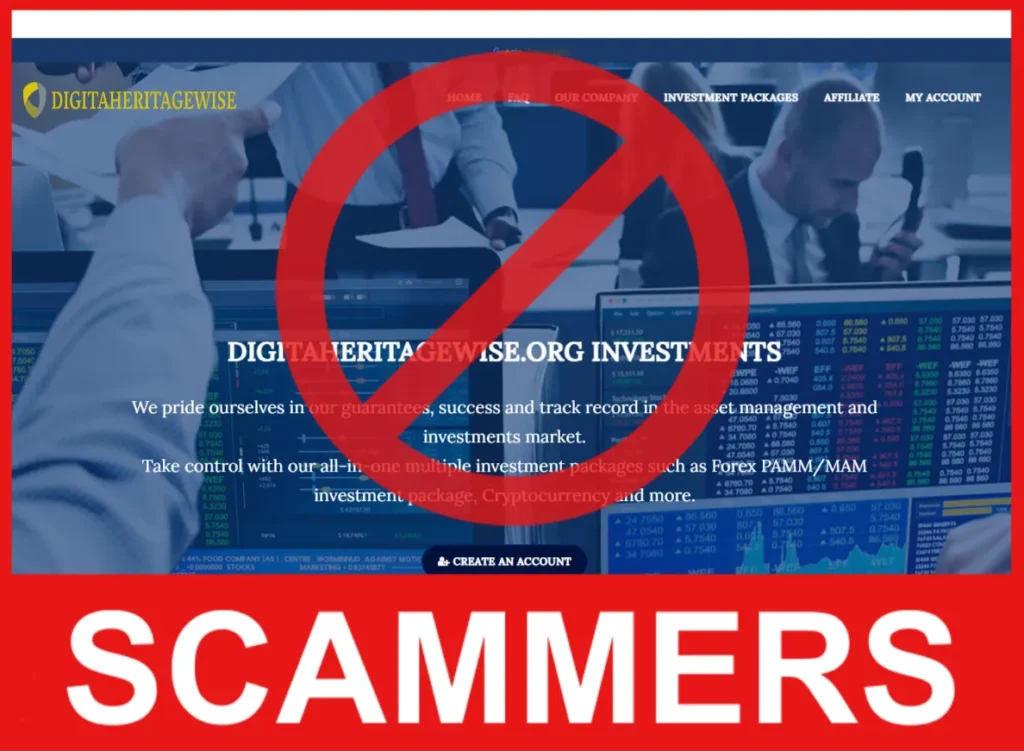
Information About the Fraudulent Broker
DigitaHeritageWise, accessible through its domain, claims to offer a wide range of financial services. The company markets investment accounts, cryptocurrency trading options, high-yield investment programs, and asset management services. On its website, it advertises high profits with little to no risk, offering “exclusive investment opportunities” and highlighting supposed success stories from clients. The platform presents itself with professional graphics, simplified navigation, and descriptions that give an impression of a reliable, well-established brokerage. Despite the outward professionalism, the company shows several concerning characteristics typical of online scams. It emphasizes guaranteed returns and high profits in short periods—claims that are not realistic in financial markets. Genuine brokers cannot offer guaranteed earnings because returns fluctuate based on market dynamics. DigitaHeritageWise also heavily promotes its so-called “investment packages,” which include fixed daily or weekly returns, referral bonuses, and exclusive opportunities that create artificial urgency. These tactics aim to pressure potential investors into depositing money quickly before thinking critically about the risks. The website contains client testimonials and positive reviews, but these are likely fabricated or cherry-picked to present the broker as trustworthy. There is no verifiable evidence of real trading results, financial audits, or transparent operational data. Everything presented is intended to instill confidence and create a false sense of security, making it easier for the company to extract funds from unsuspecting clients.
Verification of Company Data
One of the most critical steps in evaluating a broker is verifying its regulatory status. Legitimate brokers are registered with recognized financial authorities such as the Financial Conduct Authority (FCA) in the UK, the Cyprus Securities and Exchange Commission (CySEC), the Australian Securities and Investments Commission (ASIC), or similar bodies. These regulators ensure that companies operate within legal frameworks, maintain client protections, and are subject to regular audits. DigitaHeritageWise claims on its website that it is regulated by well-known authorities and that client funds are fully protected. However, searches in official regulator databases show that the company is not registered with any recognized regulatory body. Regulatory warnings indicate that DigitaHeritageWise operates without proper authorization and is likely offering services illegally. Its domain registration details reveal that it is a recent creation, and contact information is obscured or anonymized, which is a common tactic for fraudulent operations seeking to avoid accountability. The lack of regulation is particularly dangerous because it means there is no legal recourse if the broker refuses to return funds. Clients are entirely dependent on external intervention, such as legal specialists or financial dispute resolution services, to attempt recovery of their money. Without verification, the company’s claims of legitimacy and investor protection cannot be trusted.
Exposing the Broker as a Fraudster
There are clear signs that DigitaHeritageWise is not a legitimate brokerage firm. The following factors indicate fraudulent activity: Unrealistic Promises: The platform advertises guaranteed high returns, including daily profits and bonuses for deposits, which are impossible in legitimate trading due to the volatility of financial markets. Claims of risk-free profit are a hallmark of investment fraud. No Valid Licenses: Although the website suggests regulatory oversight, investigations confirm that no official licenses exist. Operating without a license means the company is not accountable to authorities and can freely defraud clients. Aggressive Marketing Tactics: Investors are often pressured by managers or automated systems to deposit quickly, suggesting urgency or limited availability of investment opportunities. Opaque Financial Reporting: The broker provides no verifiable financial statements, trading history, or audited results. Legitimate brokers are required to demonstrate transparency in how client funds are managed. Obscured Ownership: The company’s ownership, physical addresses, and contact information are either hidden or falsified, making it difficult to trace or hold anyone accountable. These elements together form a classic profile of a fraudulent broker. While the website may appear legitimate, the lack of regulation, unrealistic promises, and manipulative tactics confirm that DigitaHeritageWise cannot be trusted with investor funds.
Fraud Broker’s Deception Scheme
Fraudulent brokers like DigitaHeritageWise typically follow a clear operational pattern designed to extract maximum money from clients. The scheme usually unfolds in several stages: Initial Attraction: The broker uses marketing strategies that promise high returns, minimal risk, and exclusive investment opportunities. Social media ads, email campaigns, and phone calls are common tools to reach potential victims. Pressure to Deposit: After establishing initial contact, the broker pressures the client to deposit money immediately, claiming limited-time offers or special investment conditions. Obscure Payment Methods: Victims are often asked to transfer funds via cryptocurrency or wire transfers to accounts that are difficult to trace, reducing the likelihood of recovery. Withdrawal Obstacles: Once money is deposited, the broker creates obstacles for withdrawal. This may include new verification requirements, fees, taxes, or claims of incomplete documentation. Communication often slows down or stops entirely. Psychological Manipulation: Managers maintain contact to reassure the client, encourage additional deposits, or delay action while the company moves funds out of reach. This approach ensures that once investors deposit significant sums, the broker can exploit them fully before disappearing. Recognizing these stages is crucial to prevent further losses and to begin recovery efforts.
How to Get Money Back from a Scam Broker
Victims of DigitaHeritageWise still have options to recover lost funds, and professional assistance significantly improves the chances of success. Here are steps that can be taken: Document Everything: Keep records of all communications, deposit confirmations, screenshots, and statements from payment platforms. Documentation is essential for any legal or financial dispute. Consult Specialists: Services such as DNB Forex Review have experience handling cases against fraudulent brokers. They can perform legal and financial audits, contact payment systems, and initiate procedures to recover funds. Legal Support: Depending on jurisdiction, legal action may be possible against the fraudulent operator. Experienced lawyers can draft claims, communicate with banks, and submit complaints to relevant authorities. Engage Payment Providers: If money was transferred via bank or payment systems, dispute resolution mechanisms such as chargebacks can be used. Professionals guide clients through these processes to increase recovery chances. Regulatory Complaints: Even if the broker is unlicensed, filing complaints with regulators establishes an official record, which can be used to strengthen claims and prevent further fraud against others. Acting quickly and systematically is key to increasing the likelihood of successfully recovering funds from a fraudulent broker.
Negative Reviews About the Broker
Users who have interacted with DigitaHeritageWise report several recurring issues. Common complaints include: Withdrawal Problems: Requests to withdraw funds are met with delays, new requirements, or outright refusals. Persistent Contact: Clients report being constantly contacted by managers who pressure them to invest more or to remain patient with promised payouts. Lack of Transparency: Investors cannot verify physical addresses, ownership, or operational data. Psychological Manipulation: Attempts to recover funds are met with misleading reassurances, creating stress and confusion. Although the platform is relatively new and reviews are limited, the available information consistently points to a high probability of fraud. Patterns mirror those seen in other scams where victims lose thousands of dollars before realizing the broker is not legitimate.

Avoiding Similar Scams in the Future
Falling victim to a fraudulent broker is often the result of missing or misunderstood information. DigitaHeritageWise demonstrates how easily even cautious investors can be deceived by polished websites, persuasive marketing, and promises of guaranteed profits. To avoid similar scams in the future, investors should adopt a multi-layered approach combining research, verification, and healthy skepticism. Always Check Regulatory Status Through Official Sources. Before depositing money, it is critical to verify a broker’s registration with legitimate financial authorities. Regulators like the FCA (UK), CySEC (Cyprus), ASIC (Australia), or NFA (USA) maintain searchable public databases. If a broker is not listed, or if there are warnings about it, this is a strong indicator that the company is operating illegally. Do not rely solely on claims presented on a broker’s website; scammers frequently falsify licenses or use logos of real regulators to create an illusion of legitimacy. Even if a broker appears professional or provides slick documentation, verification is essential. Be Wary of Promises of Guaranteed or Unrealistic Profits. No legitimate investment can guarantee daily or weekly returns without risk. Any platform promising high profits with little or no risk should be treated as suspicious. Fraudulent brokers often use exaggerated claims and emotional language, such as “exclusive opportunity” or “limited-time guaranteed return,” to push investors into making quick decisions. Developing a mindset of critical analysis and understanding basic market realities is essential to avoid being misled by these tactics. Verify Contact Information and Company Transparency. Genuine brokers provide clear and verifiable contact details, including physical office addresses, functioning phone numbers, and professional email accounts. If a company uses anonymous email addresses, hides its domain registration, or provides no real-world address, it is likely attempting to avoid accountability. Checking for live support responses and confirming the broker’s presence in reputable financial directories can help detect red flags. Test Withdrawals Before Committing Significant Funds. One of the most revealing tests of a broker’s legitimacy is attempting to withdraw a small amount of money before making larger investments. If the broker creates obstacles, requests additional documents, or delays payment, this is a warning sign that your funds may be trapped. Fraudulent platforms often allow minor deposits but block withdrawals of larger sums, using technical issues or fake compliance requirements as excuses. Research the Broker Independently. Before investing, search for reviews, complaints, or regulatory warnings about the broker. Look for patterns rather than isolated incidents. Check multiple forums, social media, and news sources to see whether there are reports of clients being unable to withdraw funds, being pressured for additional deposits, or being blocked from account access. Cross-checking information from independent sources provides a clearer picture of the company’s behavior. Educate Yourself About Common Scam Patterns. Familiarity with the tactics of fraudulent brokers can prevent future losses. Common schemes include: promising guaranteed returns, offering referral bonuses that require additional deposits, delaying withdrawals, and using fake client testimonials. The more you know about how scams operate, the less likely you are to fall for similar tricks. Trust Your Instincts and Take Time to Decide. Scammers rely on urgency and emotional manipulation. Taking time to think critically about an offer, consulting trusted financial advisors, or asking questions about unclear details can prevent hasty decisions. If something feels too good to be true, it probably is.
Conclusion
DigitaHeritageWise is a high-risk fraudulent project. Its lack of regulatory oversight, unrealistic profit promises, withdrawal restrictions, and manipulative marketing confirm that the platform is not trustworthy. Victims of such scams face complex challenges in recovering funds on their own. Specialists like DNB Forex Review provide critical assistance. With legal expertise, financial knowledge, and experience in dealing with fraudulent brokers, they help clients document evidence, communicate with banks and payment systems, and initiate formal recovery procedures. Prompt action increases the chances of successfully reclaiming lost funds and preventing further victimization. Attempting to navigate this process alone is risky, as scammers are skilled at exploiting inexperience and delays. Professional guidance ensures a structured and legally supported approach, maximizing the likelihood of a successful outcome.







I am one of the people who trusted DigitaHeritageWise and later discovered serious problems with getting my money back. After several unsuccessful attempts to withdraw, I understood that I needed outside assistance. I contacted professionals who reviewed my situation and helped me understand possible recovery steps. The process is still ongoing, but having guidance made it easier to organize evidence and communicate properly. I hope anyone affected by this platform seeks information quickly and does not send additional payments.
If you have been deceived, do not delay—submit a request, and we will review your case.
I lost money with DigitaHeritageWise after I trusted their promises about making profits from trading. Everything looked fine at the beginning, but when I wanted to withdraw my money, they started asking for more payments. I realized something was wrong and stopped sending funds. I am now looking for help with recovering my money and want to know if other people had the same experience with this company.
Our specialists will help assess the situation and propose possible solutions. Submit a request.