




The world of online trading can appear exciting and full of opportunity. Promises of fast profits, innovative trading bots, and seemingly guaranteed returns are everywhere. For someone new to investing, these platforms can look professional, trustworthy, and revolutionary. But the reality is that not every polished website represents a legitimate financial company. Over the past decade, thousands of investors have reported losing money to unregulated or deceptive online brokers. Some vanish without a trace, while others continue operating but make it impossible for clients to withdraw their funds. Before transferring money to any online broker, it is essential to examine who is behind the platform, whether the company is properly licensed, and how it handles clients’ funds. Careful verification is the first step in avoiding significant financial losses.
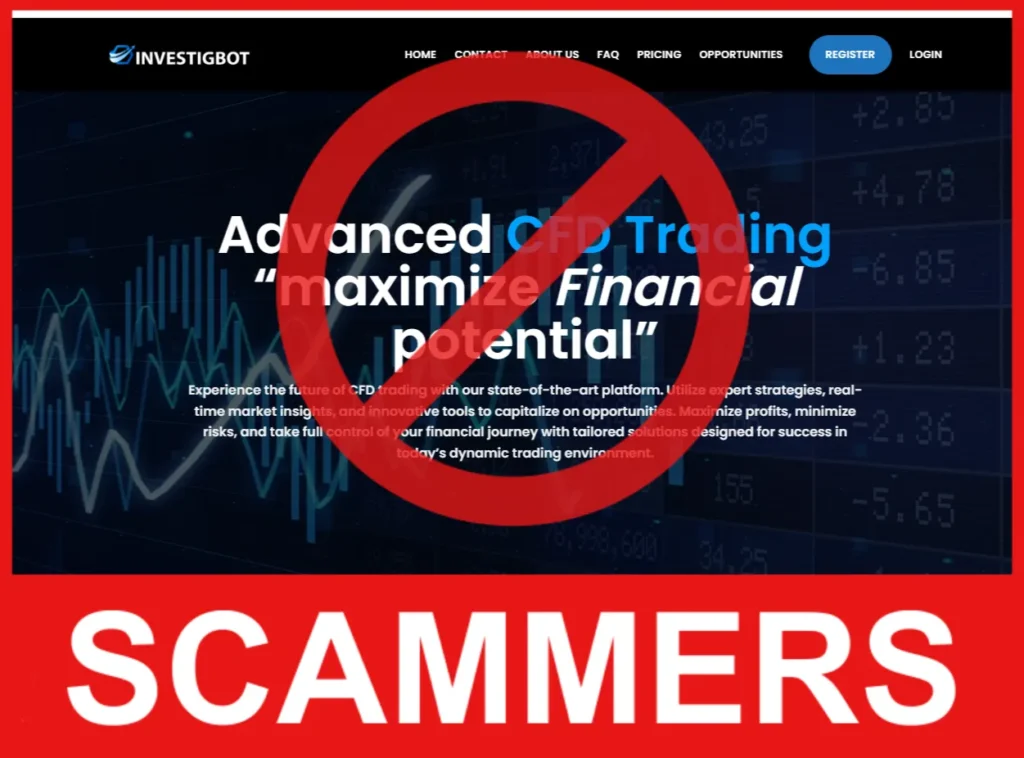
Information About the Fraudulent Broker
A legitimate broker should be transparent and provide clear information, including the company’s legal name, registration number, licensing details, physical office address, verifiable contact information, and detailed terms and conditions. There should also be clear risk disclosures explaining that trading always carries the possibility of loss. Many questionable brokers rely heavily on marketing language to appear legitimate. They might advertise AI-powered trading systems, guaranteed profits, or insider tools that supposedly minimize risk. Professional brokers never promise guaranteed returns, because market fluctuations are unpredictable. Even the most experienced traders cannot avoid losses. Another critical consideration is the trading platform itself. Well-known platforms like MetaTrader offer reliability and transparency. Proprietary platforms that cannot be independently verified should raise caution. If trades cannot be audited or confirmed outside of the platform, the risk of manipulation increases. Investors should also observe how the company interacts with potential clients. Aggressive marketing tactics, overly persuasive account managers, and constant pressure to deposit more money are warning signs. Even if the website looks professional, these behaviors indicate a lack of proper investor care.
Verification of Company Data
Before trusting a broker, it is crucial to verify whether it is licensed by a recognized financial regulator. Regulatory bodies maintain public databases to allow investors to check company authorization. This includes organizations such as the Financial Conduct Authority, the Australian Securities and Investments Commission, the Cyprus Securities and Exchange Commission, and the U.S. Securities and Exchange Commission. If a broker claims to be regulated but cannot be found in official records, this is a serious warning sign. Some companies use offshore registrations in countries with minimal financial oversight. While not automatically illegal, offshore registration significantly increases risk, as it often provides limited legal protection for investors. Checking the domain registration and company history can also provide insight. Many fraudulent brokers operate websites that appear established but are only recently created. A combination of missing licensing, offshore registration, and lack of verifiable history usually signals that caution is necessary.
Exposing the Broker as a Fraudster
There are common patterns that have emerged from experiences reported by investors dealing with unreliable brokers. These include aggressive sales tactics, promises of rapid profits, and difficulties withdrawing funds. When clients try to withdraw, they may face additional fees, requests for payments labeled as taxes, or unexplained delays. Some platforms use trading bonuses as traps, where conditions for withdrawal are designed to be almost impossible to meet. Other signs include accounts being frozen or suddenly closed, especially if the client refuses to deposit more money. Persistent pressure from account managers or repeated contact pushing additional deposits is another warning. Recognizing these patterns early can save investors from losing significant sums.
Fraud Broker’s Deception Scheme
Many deceptive brokers follow a predictable psychological pattern designed to build trust and extract more funds. They often entice clients with promises of innovative technology or high returns, followed by immediate contact from “account managers” or advisors. Small deposits initially show apparent profits to gain trust, and larger deposits are encouraged to maximize gains. Once the investor tries to withdraw, barriers appear. Delays, fees, and excuses are common, and communication often becomes difficult or impossible. These schemes rely on creating a false sense of trust while making it increasingly hard for the investor to retrieve their money. Understanding these patterns is critical to avoid being trapped in such setups.
How to Get Money Back from a Scam Broker
If an investor suspects a broker is acting unfairly, it is important to stop sending money and to document all communication and transactions. Legal and consulting firms that specialize in assisting victims of financial misconduct may help by analyzing records, assisting with chargebacks, preparing formal complaints, and guiding clients through dispute procedures. Recovery services must be approached carefully. Verify their reputation, transparency, and fee structure before proceeding. No legitimate professional can guarantee recovery in every case, but knowledgeable specialists can increase the chances of retrieving funds that might otherwise be lost.
Negative Reviews About the Broker
Negative reviews can reveal consistent patterns of concerning behavior. Investors often report blocked withdrawals, misleading representations of profits, constant pressure to deposit additional funds, unresponsive customer support, and sudden account closures. While some reviews may be manipulated, consistent reports from independent sources highlight potential risks. Investors should consider the number of consistent complaints, the credibility of the sources, and whether similar issues are repeatedly mentioned.

Protecting Yourself Before Investing
When it comes to online trading, prevention is always far better than attempting to recover lost funds later. The safest investors are the ones who take the time to research, verify, and question everything before transferring money to a platform. Protecting yourself is not about paranoia—it’s about being practical, cautious, and informed. The first step is research. Before opening an account, take a close look at the company. Investigate its legal name, licensing details, registration number, and physical office address. Don’t rely solely on what the broker’s website claims. Regulators maintain public databases where investors can confirm licensing information, and even a quick search online can reveal whether other investors have raised concerns. A lack of verifiable information or inconsistencies in the company’s story should immediately raise a red flag. Next, consider the platform itself. Is it a well-known, widely used trading software, or a proprietary interface that cannot be audited? Reliable brokers use platforms that provide transparency and allow investors to see trades clearly. A platform that hides information, delays updates, or makes it impossible to independently confirm trades is risky. Another important aspect is communication. Observe how the broker interacts with potential clients. Legitimate brokers will answer questions clearly, provide documentation when requested, and will never pressure you to make a deposit immediately. If you are being repeatedly contacted by account managers pushing you to invest more money, or if they promise quick profits and guaranteed returns, this is a strong warning sign. Professional brokers respect client decisions and understand that informed investors are their best clients. It is also vital to read the terms and conditions carefully. This is not just a formality—these documents outline how your funds will be managed, under what circumstances withdrawals can be delayed, and what conditions apply to bonuses or promotions. Many problematic brokers hide critical restrictions in long, complicated text. If you notice confusing clauses or terms that seem designed to make withdrawals difficult, take note and proceed with caution. Financial prudence is another essential element of protection. Never invest money you cannot afford to lose. Even the safest, regulated investments carry some degree of risk. Treat trading as a calculated risk, not a guarantee of quick wealth. It’s better to start with a small amount, verify the process, and gradually increase investments once you have confirmed the broker’s legitimacy. Independent reviews and testimonials can also provide insight, but they should not be the sole basis for your decision. Look for patterns rather than individual opinions. Consistent reports of withdrawal problems, misrepresentation of profits, or aggressive account management across multiple sources are more meaningful than one or two negative reviews. Similarly, overwhelmingly positive reviews may be manipulated, so always consider the broader context. Another layer of protection is to keep records of everything. Even before investing, maintain a clear system for documenting emails, messages, and any interactions with the broker. Screenshots of platform dashboards, email confirmations, and any written communication can be invaluable if disputes arise later. Well-organized records make it easier for professionals to assist in recovering funds or investigating suspicious behavior. Finally, trust your instincts. If something feels off, slow down. If the platform seems too good to be true, it probably is. Pressure, confusion, or lack of clarity are never good signs. Being patient, asking tough questions, and taking time to verify every claim is the hallmark of a responsible investor. In essence, protecting yourself is a combination of research, observation, and cautious action. It is about making informed choices, recognizing red flags, and never allowing emotions or promises of quick profits to override rational decision-making. Every precaution you take now is a safeguard against potential losses later. By approaching investments methodically, keeping records, and remaining skeptical of unrealistic claims, you create a strong foundation for safer trading. Responsible investing means treating every opportunity as something to be verified, tested, and understood fully before committing any funds. This mindset is your most effective defense in the complex and sometimes treacherous world of online trading.
Conclusion
The online trading world can be both enticing and perilous. On one hand, legitimate brokers provide real opportunities for profit and financial growth. On the other hand, unscrupulous actors exploit the desire for fast gains to trap unsuspecting investors. Understanding this duality is critical. Being informed is not just helpful—it is essential for anyone considering investing online. Vigilance begins with education. Every investor should know the warning signs of fraudulent behavior, the typical structures of deceptive schemes, and the ways in which pressure and manipulation are used to extract more funds. Recognizing these patterns early can prevent significant financial losses. Realizing that no broker can guarantee profits is a key insight; market volatility is a fact, and any promise to the contrary should be treated with extreme caution. Equally important is understanding the regulatory landscape. Licensing and registration are not just bureaucratic hurdles—they are your first line of defense. When a broker is properly regulated, it is subject to oversight, audits, and legal obligations to protect client funds. If a broker avoids this scrutiny, uses offshore jurisdictions with lax rules, or provides unverifiable licensing information, it is a serious warning that the platform may be unsafe. Investors must always independently verify these details before committing funds. Even if you have already deposited money, all is not lost. Recovery options exist, and consulting professionals who specialize in financial disputes can make a significant difference. These experts can guide you through chargeback procedures, assist with formal complaints, and liaise with financial institutions or regulators to improve your chances of recovering funds. Acting quickly and decisively is crucial—the longer the delay, the harder it becomes to recover lost money. Beyond verification and professional support, personal caution is vital. Never allow an advisor or automated system to pressure you into making rapid decisions. Take time to analyze the platform, research independent reviews, and discuss your options with trusted advisors. Your skepticism is a valuable tool. If anything feels rushed, confusing, or inconsistent, pause and investigate further. Remember, legitimate brokers value informed clients—they do not need to manipulate or pressure them. Finally, keep in mind the importance of documentation. Every email, chat message, trading record, or screenshot can be crucial if disputes arise. Organized records make it easier for professionals to intervene and improve your chances of recovery. This level of diligence may seem tedious at first, but it can protect you from significant financial and emotional loss in the long run. The key takeaway is simple: the combination of education, verification, vigilance, and documentation provides the best defense against potentially fraudulent brokers. By staying informed and cautious, investors can navigate the online trading world with greater confidence, reducing risk while still exploring legitimate opportunities. In cases where problems arise, professionals exist to help you reclaim what is rightfully yours. Engaging with them early, armed with careful documentation and knowledge, often makes the difference between recovering your funds and losing them entirely. Being a successful investor isn’t just about knowing the markets—it’s about knowing how to protect yourself. Transparency, regulation, and accountability are the cornerstones of safe investing. If a platform fails on any of these fronts, your instincts and careful research should guide your decisions. Protecting your money requires both awareness and action. By approaching online trading cautiously, methodically, and informed, you place yourself in control, rather than leaving your financial future in the hands of others. Vigilance is not a one-time effort—it is an ongoing practice. The financial landscape changes constantly, and new platforms, strategies, and technologies emerge regularly. Staying updated, continuously questioning the legitimacy of new opportunities, and seeking professional advice when necessary are essential habits for any investor who wants to minimize risk. In conclusion, the online trading environment offers potential, but only when approached responsibly. Knowledge, caution, and timely action are your strongest allies. By remaining informed, meticulously verifying broker details, observing warning signs, and documenting every step, you can navigate this landscape safely. And if challenges arise, engaging skilled professionals can help you reclaim control, recover your funds, and continue investing with confidence. In the world of online finance, vigilance is not optional—it is the foundation of security, stability, and long-term success.






I am looking for help regarding funds lost through Investigbot. The platform created the impression of being a reliable investment service, but after I deposited money, I faced constant problems accessing my account and withdrawing my balance. The explanations from their representatives were unclear, and I was asked to pay additional fees. I would like to understand whether there is a realistic chance of recovering money from this type of scam and where to begin the process.
Submit a request, and our specialists will assist you.