




At first sight, Market Flow looks like a typical online trading platform that promises access to financial markets and opportunities to earn through trading. The website presents itself in a modern and convincing way, using familiar financial language and claims about profitability and professional trading conditions. However, beneath this polished surface, there are growing concerns that this platform may not operate as a legitimate broker. Many users online have started reporting problems such as inability to withdraw money, sudden account issues, and pressure to deposit more funds. This article is prepared for DNB Forex Review, a legal support service that helps victims of questionable brokers try to recover lost money. The purpose is to take a closer look at Market Flow, examine available information, and highlight warning signs that potential investors should be aware of. The main issue with cases like this is that everything appears normal at the beginning. Platforms often simulate real trading environments, show account balances, and provide so-called personal managers. But later, users often discover that accessing their money becomes extremely difficult or completely impossible.
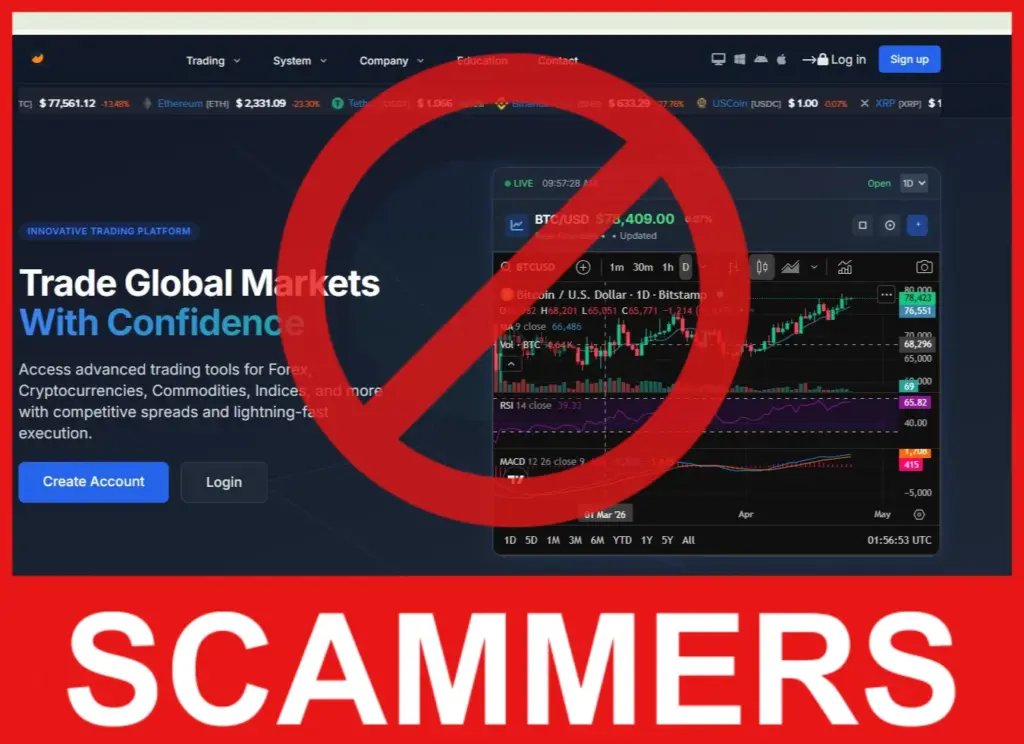
Information About the Fraudulent Broker
Market Flow presents itself as a brokerage service offering trading in forex, cryptocurrencies, commodities, and indices. The website structure suggests a standard trading platform with registration forms, client dashboards, and claims of advanced trading tools. At first glance, everything looks familiar and professional. Users are encouraged to open accounts quickly and start trading with small deposits. The messaging is focused on fast profits, easy trading conditions, and support from experienced analysts. However, when looking deeper, the platform lacks real transparency. There is very little verifiable information about how trades are executed or where client funds are stored. Instead of clear financial documentation, users are mainly presented with marketing-style descriptions and promises of high returns. Another noticeable feature is the strong focus on deposits. Many similar platforms use this approach, encouraging users to increase investments gradually. First small amounts are accepted easily, but later users are pushed toward larger deposits under the promise of better returns or improved trading conditions. This type of structure often raises concerns because it resembles patterns seen in previously exposed high-risk or fraudulent trading schemes.
Verification of Company Data
When evaluating any financial platform, one of the most important steps is checking its legal status and regulatory oversight. In the case of Market Flow, this step raises several serious concerns. There is no clear evidence that Market Flow is registered or licensed by any recognized financial authority. Legitimate brokers are normally regulated and listed in official financial databases, where their license numbers and company details can be verified. In this case, such confirmation is missing. Another issue is the lack of transparency regarding the company behind the platform. Reliable financial institutions usually provide detailed information about their legal entity, headquarters, and compliance structure. Market Flow does not clearly present this type of information, or it is difficult to verify independently. Domain registration details also raise questions. Websites connected to questionable brokers are often newly created and used for short periods. This makes it difficult to track ownership or long-term accountability. The absence of verifiable regulation and unclear company structure are important warning signs. In the financial industry, transparency is not optional. It is a basic requirement. When this is missing, users are exposed to significant risk.
Exposing the Broker as a Fraudster
Several behavioral patterns associated with Market Flow resemble those commonly seen in suspicious brokerage operations. One of the most frequently reported issues is aggressive communication from so-called account managers. Users describe being contacted regularly and encouraged to invest more money, often under the promise of higher profits or better trading opportunities. Another major problem is withdrawal difficulty. At the beginning, small withdrawals may be processed to build trust. However, when larger amounts are requested, delays start appearing. Users may be told that additional verification is needed or that fees must be paid before funds can be released. In many cases, communication becomes increasingly limited once withdrawal requests are made. Support stops responding, accounts are restricted, or users are asked to provide additional payments to unlock their own funds. There are also complaints about unexpected trading activity inside accounts. Some users claim they did not authorize certain trades or noticed sudden losses that were not explained. While such claims vary, they contribute to overall distrust. These patterns suggest a system designed not primarily for trading activity, but for controlling deposits and restricting withdrawals.
Fraud Broker’s Deception Scheme
The typical scheme used by platforms like Market Flow follows a structured psychological approach. It often begins with online advertisements or social media promotions that promise easy profits through trading. Users are invited to register and make an initial deposit, usually a small amount that feels safe and manageable. After registration, a so-called account manager becomes active. This person builds trust, explains trading strategies, and encourages the user to invest more. Early communication is usually friendly and supportive, creating a sense of reliability. Once larger deposits are made, users may see simulated profits on their account dashboard. This creates the impression that trading is successful and encourages further investment. The turning point usually comes when users try to withdraw funds. At this stage, various obstacles appear. The platform may request additional payments for taxes, verification, or commissions. In some cases, accounts are temporarily blocked or fully restricted. Eventually, communication may stop completely. The platform becomes unresponsive, leaving users without access to their funds. This gradual process is designed to build trust first and then extract as much money as possible before cutting off access.
How to Get Money Back from a Scam Broker
Recovering funds from platforms like Market Flow can be difficult, but there are still possible steps depending on the situation. The most important factor is acting quickly and collecting all available evidence. This includes payment confirmations, screenshots of transactions, chat histories, and email communication with the platform. If payments were made through bank cards, it may be possible to initiate a chargeback procedure. This process allows clients to dispute transactions and request reversal in cases of suspected fraud. If cryptocurrency was used, transaction tracing can sometimes help identify the movement of funds through wallets and exchanges. Although crypto transactions are harder to reverse, they can still be analyzed for investigative purposes. Specialists from DNB Forex Review assist victims in organizing evidence, preparing formal claims, and identifying the most suitable recovery strategy depending on the payment method used. While recovery is never guaranteed, professional assistance significantly improves the chances compared to acting alone.
Negative Reviews About the Broker
Online discussions about Market Flow reveal a pattern of dissatisfaction among users who interacted with the platform. Many report difficulties withdrawing funds after making deposits. Some users mention that everything appears normal at first, including access to trading dashboards and small initial profits. However, problems begin when they attempt to cash out larger amounts. A common complaint is constant pressure from representatives encouraging additional deposits. Users describe feeling persuaded or pushed into investing more money with promises of higher returns or special opportunities. Another frequent issue is lack of support. When problems arise, communication becomes slow or disappears entirely. Emails remain unanswered, and account managers become unreachable. There are also emotional aspects in user reports. Many people express frustration and regret, often realizing too late that the situation was not what it seemed at the beginning. Although experiences may vary, the overall pattern shows consistent dissatisfaction and financial loss.

Additional Observations About Risk Behavior
When looking at platforms like Market Flow, it is important to understand that the risk is not only technical or financial. A large part of the danger comes from how these systems are designed to influence human behavior. In many cases, people do not lose money because they “made a bad trade,” but because they were guided step by step into decisions that felt reasonable at the moment. One of the strongest behavioral patterns is the creation of false confidence at the beginning. New users are often shown a smooth and positive experience right after registration. The platform may display growing account balances or small profits, even if no real market activity is taking place. This early “success” is not accidental. It is designed to reduce doubt and make the user emotionally invested in the process. Once a person feels that things are working, their decision-making changes. They stop questioning the system as much and start focusing on potential profit. At this stage, emotional involvement becomes stronger than rational analysis. Users begin to trust the platform more than external warnings or their own instincts. Another important behavioral factor is pressure through urgency. Users are often told that market opportunities are limited in time or that specific investment conditions will soon change. This creates a psychological effect where people feel they must act quickly. Instead of carefully checking information, they make faster decisions to avoid “missing out.” This is a classic manipulation technique in financial scams. Social influence also plays a role. Some users report being shown examples of other “successful investors” or being told that many people are already earning significant profits. Whether real or fabricated, this creates a sense of group behavior. When people believe others are profiting, they are more likely to continue investing even if they have doubts. Another subtle but powerful factor is the role of the so-called account manager. This person is usually presented as a helper or advisor, someone who guides the user through trading decisions. Over time, this creates dependency. Instead of making independent decisions, users start relying on the manager’s advice. This shift is dangerous because it removes critical thinking from the process and places control in the hands of the platform. There is also a gradual emotional escalation. At first, deposits are small and feel safe. As trust grows, the amounts increase. Each step feels like a natural continuation of the previous one, not a major financial decision. This step-by-step escalation is intentional. It prevents users from seeing the full scale of their investment until it becomes significant. A particularly damaging moment occurs when withdrawal is requested. This is where emotional pressure often increases sharply. Users may feel confusion, frustration, or even guilt. The platform may respond with delays, additional requirements, or explanations that sound technical but are not clear. In many cases, users are encouraged to stay patient or invest a little more to “unlock” their funds. This creates emotional conflict: the desire to recover money versus the hope that the system will eventually work. At this stage, many victims fall into what can be described as the “sunk cost trap.” They continue investing not because they trust the platform, but because they do not want to lose what they have already put in. This is one of the most powerful psychological mechanisms behind financial losses in such schemes. It is also important to note how isolation can affect behavior. As problems begin, users may feel embarrassed or hesitant to share their situation with others. This silence benefits the platform, as it reduces early warnings and allows the scheme to continue operating without resistance. Many people only realize the full situation after significant losses have already occurred. In addition, these platforms often create a sense of complexity around withdrawals and verification processes. Technical language, compliance explanations, and financial jargon are used to make delays appear legitimate. For someone without deep financial knowledge, this can be confusing and discouraging, leading them to give up too early or comply with additional payment requests. All of these behavioral patterns work together. They are not random, but structured in a way that gradually reduces skepticism, increases emotional involvement, and delays critical decision-making. This combination is what makes platforms like Market Flow particularly risky, even for people who are normally careful with their finances. Understanding these psychological mechanisms is essential. It helps users recognize that the problem is not only about trading or financial markets, but about how human decision-making can be influenced step by step. Awareness of these patterns is often the first real protection against similar situations in the future.
Conclusion
Based on available information, user reports, and observed behavioral patterns, Market Flow raises multiple serious concerns. The lack of verified regulation, unclear company details, withdrawal issues, and repeated user complaints suggest that the platform operates in a highly risky manner. For individuals who have already deposited funds, immediate action is important. Delays often reduce the chances of recovering money. Collecting documentation and seeking professional assistance can make a significant difference. DNB Forex Review provides support in analyzing cases, preparing claims, and guiding victims through possible recovery procedures. While no outcome can be guaranteed, taking structured legal and financial steps is often the only realistic way to attempt recovery. In situations like this, the most important lesson is simple. Appearance alone does not prove legitimacy. Careful verification and caution remain the strongest protection against financial loss in the online trading environment.







I lost a significant amount of money with Market Flow and spent months trying to resolve the issue on my own. At first, I thought it was just a technical problem, but every withdrawal attempt resulted in new conditions and additional payment requests. After consulting specialists who deal with broker-related disputes, I realized that waiting only made the situation worse. Some progress was made after I organized all transaction records and correspondence. I can’t say the process is easy, but I would advise anyone affected not to ignore the warning signs and to act as quickly as possible.
We’ll be happy to help you. Submit a request on our website.