In recent years, online trading has become increasingly popular, attracting people eager to grow their wealth through investments in cryptocurrencies, stocks, and other financial markets. While there are many legitimate platforms that provide real opportunities, the industry also has a darker side: fraudulent brokers who target inexperienced investors. These scammers promise quick profits and high returns, but their true intention is to steal funds. One such company that has raised concerns for suspicious activity is GTC Management. At first glance, it appears professional, offering online trading services and claiming to help clients profit from a range of financial instruments. The website is polished, featuring charts, investment plans, and bold claims of guaranteed gains. Yet a closer inspection reveals serious warning signs. Investors who deposit money with GTC Management frequently encounter difficulties when trying to withdraw their funds. The platform’s representatives often provide excuses, delay responses, or completely block access. Many clients report losing thousands of dollars while the broker continues to operate, attracting new customers with the same promises. This review will examine GTC Management in depth, uncovering the fraud tactics it uses, the warning signs investors should be aware of, and practical ways to recover lost money with professional help. By the end, readers will understand why vigilance is essential and how experts can assist victims in reclaiming their funds.
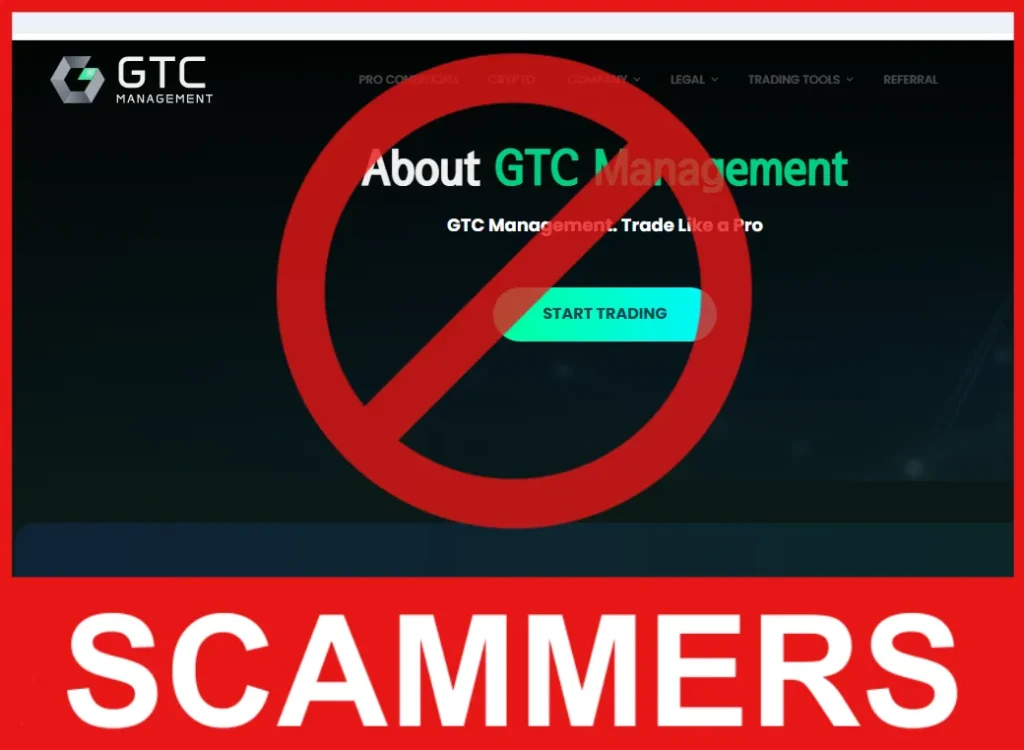
Information About the Fraudulent Broker
GTC Management presents itself as an online brokerage that provides cryptocurrency trading as well as access to other financial instruments such as indices and commodities. According to their website, clients can expect dedicated account managers, advanced trading platforms, and substantial returns. However, despite these claims, there is no verifiable evidence of proper licensing, regulation, or a legitimate track record in financial markets. Real brokers are registered with recognized financial authorities, which oversee compliance, safeguard client funds, and offer a framework for dispute resolution. GTC Management does not appear in any official regulatory registries, immediately raising concerns about the legality of its operations. The combination of slick marketing and a lack of verifiable credentials is a common tactic among fraudulent brokers, creating the illusion of legitimacy while concealing their true intentions. The information provided on the website is vague, avoiding specifics about corporate registration, office locations, or the identities of the individuals running the company. Instead, it focuses on potential profits, using terms like “guaranteed returns” and “exclusive investment strategies,” which are often associated with high-risk or fraudulent operations. This approach preys on less experienced investors who may not know how to independently verify the broker’s credentials.
Verification of Company Data
Before investing, it is crucial to verify a broker’s regulatory status. Regulatory authorities exist to ensure that financial institutions operate legally and to protect investors from fraud. A thorough search shows that GTC Management holds no license from recognized financial authorities. It is not registered in the United Kingdom, Australia, Europe, or other established financial jurisdictions. This means that any funds invested are unprotected by law, and the company is free to operate without oversight. Operating without a license is a serious warning sign. Many unregulated companies hide behind vague legal disclaimers or anonymous registration to avoid responsibility. In the case of GTC Management, even basic documentation such as corporate registration papers or verified office addresses is unavailable. Investors are left relying solely on the website’s promotional content, which cannot be trusted. Additionally, the broker’s domain registration and hosting information suggest deliberate anonymity. These tactics are common among fraudulent brokers, making it more difficult for victims to trace or hold them accountable. Investors should treat unregulated brokers as high-risk and perform thorough verification before making any deposits.
Exposing the Broker as a Fraudster
Several indicators point to GTC Management operating as a scam rather than a legitimate brokerage: No Licensing or Oversight: The company is absent from recognized financial regulator registries, leaving client funds unprotected and the broker legally free to act without accountability. Withdrawal Issues: Many clients report being unable to access their deposits or profits, with requests ignored or delayed—an approach common among scam brokers. Suspicious Deposit Requirements: Investors are sometimes asked to pay extra fees, create “external wallets,” or submit unnecessary personal documents to access their own funds. These practices are not typical of regulated brokers. High-Pressure Tactics and Remote Access: Reports indicate that representatives pressured clients over the phone or accessed their computers remotely under the guise of “support,” a clear sign of fraudulent activity. Promises of Guaranteed Profits: No legitimate broker can offer guaranteed returns. Claims of risk-free high profits are a classic lure to encourage further investment. Together, these warning signs demonstrate that GTC Management is not trustworthy, and investors’ funds are at serious risk.
Fraud Broker’s Deception Scheme
The scam operates through a predictable pattern. Initial Contact: Victims are drawn in through online ads, social media, or unsolicited messages promising quick, high returns. Psychological Manipulation: Brokers assign “personal account managers,” explain trading terms, and display fabricated account growth to build trust and a false sense of control. Controlled Platform: Investors see growing balances, but these are often simulated; real trades are rarely executed. Withdrawal Obstacles: When clients try to withdraw, additional fees, “verification procedures,” or mandatory transfers to external wallets are introduced to extract more money. Disappearance: After receiving significant deposits, the broker often becomes unreachable, and the platform may be inaccessible, leaving investors with few options unless professional help is sought. This scheme combines technological control over the platform with psychological manipulation, maximizing profit for the scammers and minimizing the chance of recovery for victims.
How to Get Money Back from a Scam Broker
Recovering funds from GTC Management requires careful, strategic action. Collect Evidence: Gather all proof of transactions, correspondence with managers, and screenshots of account balances. Detailed documentation strengthens any recovery claim. Seek Professional Assistance: Experts like DNB Forex Review specialize in recovering money from fraudulent brokers, guiding victims through legal and procedural steps. Chargebacks and Legal Claims: Depending on the payment method, professionals can file chargeback requests, complaints with payment processors, or legal claims. Regulatory Complaints: Even though GTC Management is unregulated, filing complaints with international financial watchdogs can increase pressure and provide documentation for recovery. Full Case Management: Professionals handle every stage, from investigation to liaising with financial institutions, improving chances of a successful outcome. Acting quickly is critical, as scammers can delete records, move funds, or disappear entirely.
Negative Reviews About the Broker
Victims report several recurring issues: Inability to withdraw funds despite following instructions; Pressure from account managers to make additional deposits; Unexpected fees or tax requests; Trading platforms showing fake profits to entice further investment; Sudden disappearance of support personnel, leaving clients without guidance. Reviews reveal a clear pattern: initial profits appear to lure investors into depositing more, after which funds become inaccessible. These experiences align with common practices of unregulated, fraudulent brokers.

Understanding Psychological Traps in Investment Scams
One of the most overlooked but critical aspects of financial scams is the psychological manipulation used by fraudulent brokers to exploit investors. Scammers like GTC Management are not just taking money—they are carefully influencing human behavior to make victims act against their own financial interests. Understanding these psychological traps is essential for recognizing scams early, avoiding losses, and regaining control if you have already invested. Fraudulent brokers often begin by building trust with their victims. They present themselves as professionals, offering personal account managers who seem knowledgeable and attentive. These “managers” guide investors through the platform, explain trading strategies, and answer questions with patience and confidence. This carefully constructed relationship fosters a false sense of security, making the investor believe they are working with legitimate experts. Many victims report feeling reassured, as if someone is genuinely helping them grow their wealth, when in reality, the broker’s ultimate goal is to extract as much money as possible. Another common tactic is creating a sense of urgency. Scammers use language designed to pressure investors into acting quickly, often claiming that opportunities are limited or that certain trades must be made immediately to secure high returns. This triggers emotional responses, such as fear of missing out (FOMO), which can override rational thinking. Investors may deposit larger sums than they originally intended or continue funding their accounts despite growing doubts. The illusion of urgency, combined with the fear of losing potential profits, is a powerful tool that scammers exploit to maximize their gains. Fraudsters also manipulate perceived success. Platforms controlled by brokers often display simulated profits, making investors believe their accounts are growing. Seeing a steadily increasing balance can create overconfidence and the illusion of control. Investors may convince themselves that they understand the market or that the platform is working, even as they continue to deposit more funds. This psychological reinforcement strengthens the scam, as people are more likely to ignore warning signs when they believe they are winning. Scammers frequently exploit common cognitive biases as well. For example, confirmation bias can lead investors to focus on information that supports their belief that the investment is legitimate while ignoring evidence of fraud. Loss aversion may cause investors to continue depositing money to “recover” earlier losses, even when logic suggests they should stop. These biases make it emotionally and mentally difficult for victims to make rational decisions, which is precisely what the scammers intend. Another subtle but effective manipulation involves social proof. Brokers may show fake testimonials, fabricated case studies, or staged success stories from supposed clients. This creates the impression that others are profiting from the platform, encouraging new victims to follow suit. Humans are naturally influenced by what others are doing, especially when it seems like a group is succeeding, which scammers exploit to normalize risk and encourage additional investment. Finally, fraudsters prey on emotions like greed and hope. By offering “guaranteed profits” or “exclusive trading opportunities,” they appeal to the desire for quick financial gain. Investors may rationalize risky behavior by imagining life-changing results, which clouds judgment and delays critical evaluation. Meanwhile, any doubts or attempts to withdraw funds are met with excuses, delays, or intimidation, reinforcing a cycle of dependency and emotional entrapment. Understanding these psychological traps is not only useful for avoiding scams—it is vital for recovering from one. Recognizing the tactics of manipulation allows victims to stop making reactive decisions, regain mental clarity, and seek professional assistance. Education about cognitive biases, emotional triggers, and common fraud techniques empowers investors to protect themselves in the future and respond strategically if they have already fallen victim to a scam. In essence, investment scams are as much about manipulating the mind as they are about stealing money. Fraudulent brokers like GTC Management combine emotional pressure, trust-building, and carefully staged illusions of success to ensnare their victims. Awareness of these tactics is the first step toward reclaiming control, preventing further losses, and ultimately recovering funds with the help of experienced professionals.
Conclusion
Falling victim to GTC Management is not just a financial loss—it is an emotionally taxing experience. Many investors feel trapped, anxious, and frustrated. Attempting to recover funds alone is usually ineffective, due to the company’s unregulated nature, lack of transparency, and manipulative strategies. This is why professional assistance is essential. Recovery experts, such as DNB Forex Review, provide a structured approach that dramatically improves the likelihood of reclaiming funds. They understand how fraudulent brokers manipulate accounts, simulate profits, impose withdrawal hurdles, and exploit psychological vulnerabilities. By analyzing all transactions and communications, professionals can expose the broker’s tactics and build a legal case. Professional services do more than advise—they manage the recovery process, organizing evidence, handling interactions with banks, payment processors, and regulators, and initiating chargebacks or legal claims. Attempting this independently is often confusing, slow, and ineffective. Additionally, recovery specialists offer crucial emotional support. Investors can feel overwhelmed by shame, anxiety, or regret. Professionals guide them step by step, restoring a sense of control and clarity. Acting quickly is critical, as scammers often move or hide funds. Immediate intervention can prevent permanent losses. In short, professional help ensures expertise, legal support, organized evidence collection, emotional guidance, and prompt action. Without it, victims face a complex, hostile situation with little chance of success. Engaging experts empowers investors to recover funds, regain confidence, and prevent further exploitation. GTC Management is a clear example of why professional intervention is not optional—it is necessary for protecting one’s finances and navigating the aftermath of a scam.