




The world of online CFD and forex trading continues to grow rapidly, attracting both experienced investors and complete beginners. Unfortunately, this growth has also created space for a large number of questionable platforms that operate without proper transparency or regulation. One of the names currently being discussed in online trading circles is CFD Capitals, a website that presents itself as a brokerage service but has raised concerns among users searching for withdrawal support, company verification, and general trading reliability. This review is written to help readers understand the risks commonly associated with such platforms. It is based on patterns repeatedly reported in the forex and CFD industry, where traders describe similar experiences involving deposits, account management behavior, and difficulties retrieving funds. The goal is to explain how these systems usually work in practice and why many affected users eventually seek help from recovery services such as DNB Forex Review.
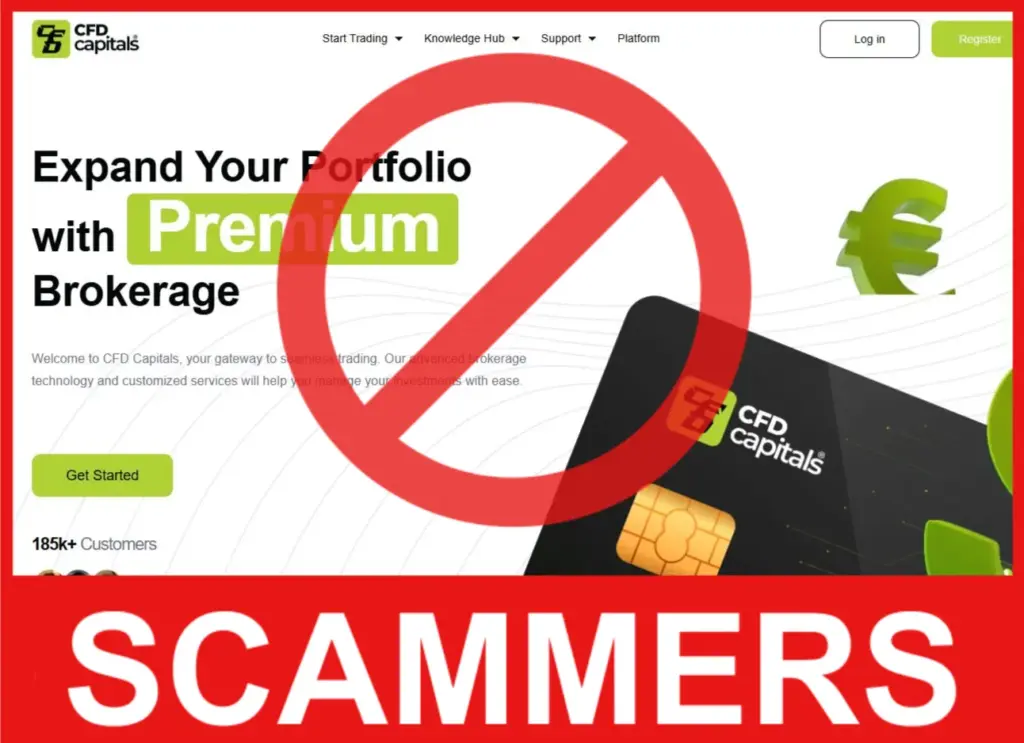
Information About the Fraudulent Broker
Platforms like CFD Capitals typically present themselves as modern trading solutions offering access to forex, commodities, indices, and cryptocurrencies. The websites often look well designed and are structured to give an impression of professionalism and financial stability. They usually highlight features such as advanced trading technology, personal account managers, and promises of profitable trading conditions. However, in many cases reported by users in similar environments, the experience after registration differs significantly from the expectations created by marketing materials. Traders often describe a strong focus on encouraging deposits rather than providing clear trading education or transparent investment conditions. Communication tends to be highly active at the beginning, with representatives contacting potential clients frequently and guiding them toward larger initial investments. As the relationship develops, users in similar cases often report that the platform becomes less transparent about trading operations. Some mention that account dashboards display positive results that cannot be easily withdrawn or verified. Others describe increasing pressure from support representatives to add more funds to maintain or unlock account activity.
Verification of Company Data
A key factor in evaluating any online broker is the ability to verify its legal status and regulatory oversight. Legitimate financial companies are usually registered with recognized authorities and provide clear documentation about licensing, corporate structure, and physical presence. In cases similar to CFD Capitals, users often report difficulties finding reliable corporate information. Websites may include general legal statements, but these are frequently not supported by verifiable regulatory records. In many situations, there is no clear indication of supervision by respected financial regulators, which raises concerns about accountability and user protection. Another common issue involves offshore registration or vague company details that do not clearly identify the real operators behind the platform. Sometimes addresses are listed, but they cannot be confirmed as active business locations. Contact details may also change over time, which makes it difficult for users to establish consistent communication when problems arise. The lack of transparent verification is one of the main warning signs in the CFD and forex industry. When a company operates without clear regulatory backing, users have limited protection if disputes occur.
Exposing the Broker as a Fraudster
Across many online complaints related to CFD trading platforms, several behavioral patterns appear repeatedly. One of the most common is the shift in communication style after an initial deposit is made. At first, users are often treated in a friendly and supportive manner, with representatives offering guidance and encouragement. Over time, however, many traders report changes in behavior. Requests for additional deposits become more frequent, often justified by claims of better trading opportunities or account requirements. In some cases, users are told that additional payments are necessary to access profits or maintain account status. Another recurring issue involves withdrawal difficulties. Traders describe situations where withdrawal requests are delayed, questioned, or rejected under various conditions. Some report being asked to pay additional fees before funds can be released, which creates confusion and frustration. There are also reports of aggressive communication techniques. Users sometimes feel pressured to make quick decisions, with warnings about missed opportunities or account limitations. This type of psychological pressure is commonly associated with high-risk or unregulated trading environments.
Fraud Broker’s Deception Scheme
In many problematic CFD cases, the operational model follows a predictable pattern. It usually begins with marketing that highlights high profit potential and low entry barriers. Interested users are encouraged to register and make a small deposit. Once the account is active, communication increases significantly. Representatives may provide guidance on trading and encourage users to increase their investment. Early experiences may appear positive, which builds trust and confidence in the platform. As deposits grow, users are often encouraged to invest even more, with promises of higher returns or exclusive trading opportunities. At this stage, account performance may appear successful on the platform interface, but actual withdrawal access becomes limited or unclear. When users attempt to withdraw funds, they frequently encounter unexpected obstacles. These may include additional verification requirements, hidden conditions, or requests for further payments. Eventually, communication may slow down or become unresponsive, leaving users unable to access their funds. This structure is not unique to one platform but has been observed in many similar cases across the industry.
How to Get Money Back from a Scam Broker
For individuals who believe they have been affected by unfair trading practices, there are still potential recovery options. One of the most commonly used methods is initiating a chargeback through the payment provider, especially when transactions were made using credit cards or similar methods. Successful recovery usually depends on how quickly action is taken and how well the case is documented. Users are advised to collect all relevant communication, transaction records, and evidence of withdrawal attempts. These materials can support disputes filed with banks or financial institutions. In more complex situations, professional assistance may be required. Recovery specialists such as DNB Forex Review often help clients organize evidence, communicate with financial institutions, and evaluate possible legal or financial routes for fund recovery. While outcomes cannot be guaranteed, structured support can improve the chances of resolving disputes effectively.
Negative Reviews About the Broker
Across many platforms with similar characteristics, user feedback tends to follow consistent patterns. Individuals often report initial positive impressions followed by increasing frustration once financial withdrawals are requested. Complaints frequently mention delays, repeated requests for additional payments, and lack of clear explanations from support teams. Some users describe feeling confident in the early stages due to professional-looking interfaces and persuasive communication. However, this confidence often changes once financial issues arise. The inability to access funds becomes the central concern for many affected traders. Other common complaints involve emotional pressure. Users sometimes feel rushed into making decisions without enough time to fully understand the risks. This is especially common among beginners who are unfamiliar with CFD trading environments.

Additional risks in unregulated trading environments
One of the major challenges in the CFD sector is the presence of platforms operating without strong oversight. In such environments, users have limited legal protection, and dispute resolution mechanisms may not exist or may be difficult to access. Another issue is the constant change of online platforms. Websites may appear and disappear quickly, making it difficult to track their history or establish accountability. This creates additional risk for users who rely on online information when making investment decisions. Marketing strategies also play a significant role in attracting users. Many platforms invest heavily in advertising and online visibility, which can create a false sense of legitimacy. For inexperienced traders, distinguishing between regulated brokers and high-risk platforms can be extremely difficult.
Conclusion
When looking at CFD Capitals and similar online trading platforms, the most important conclusion is not about a single website, but about the overall pattern such brokers tend to follow. In many cases reported across the forex industry, the problem is not immediately visible at the beginning. Everything can look convincing, modern, and even professional. That is exactly what makes these situations difficult for inexperienced traders to recognize early. What stands out most in cases like this is the imbalance between what is promised and what users later experience. The promotional side usually focuses on easy profits, fast trading opportunities, and personal guidance from so-called experts. But once real money is deposited, the situation often becomes more complicated. Users frequently describe changes in communication style, increasing pressure to invest more, and unclear conditions when trying to withdraw funds. Another important point is transparency. Legitimate brokers are expected to provide clear regulatory information, verified licensing, and a traceable corporate structure. In many disputed cases, including those similar to CFD Capitals, this transparency is either weak or completely missing. When users cannot clearly identify who is actually operating the platform, it becomes extremely difficult to resolve disputes or hold anyone accountable. The withdrawal problem is one of the strongest warning signals repeatedly mentioned in user complaints across the industry. People often report that withdrawing money becomes unexpectedly difficult, with various explanations given such as technical issues, verification delays, or additional payment requirements. While each situation may have its own specifics, the overall pattern creates serious doubts about the reliability of the platform. Another issue worth emphasizing is psychological pressure. Many users describe a gradual shift from supportive communication to more persuasive and urgent messaging. This is often designed to keep users engaged and encourage additional deposits. Over time, this approach can lead to situations where individuals invest more than they originally planned, believing that losses can still be recovered or profits are just around the corner. It is also important to understand how difficult these cases are from a legal and financial perspective. Once money is transferred through online payment systems, especially across borders, recovery becomes more complex. Many users only realize the risks after encountering withdrawal problems, when the options for quick resolution are already limited. This is why documentation and early action are critical. In such situations, specialized recovery assistance becomes relevant. Firms like DNB Forex Review are often contacted by affected traders who are trying to understand their options and recover lost funds. While no service can guarantee success, structured case analysis, evidence collection, and communication with financial institutions can significantly improve the chances of a positive outcome. The key factor is speed, because delays often reduce the effectiveness of chargeback procedures or legal claims. At a broader level, cases like CFD Capitals highlight a recurring issue in the online trading industry: the gap between regulation and accessibility. The internet allows almost anyone to create a trading website, but not all of these platforms operate under proper supervision. This creates a space where inexperienced users can easily be exposed to high-risk environments without realizing it. For this reason, the final takeaway is not only about warning signs, but about mindset. Traders should approach any CFD platform with caution, verify every detail independently, and avoid relying solely on marketing claims or communication with representatives. If something feels unclear, especially regarding withdrawals or company legitimacy, it is usually a signal to step back and reassess the situation. Ultimately, CFD Capitals should be viewed within the wider context of online trading risks. Whether a platform is fully fraudulent or simply poorly managed, the outcome for the user can be the same if funds become inaccessible. That is why awareness, verification, and careful decision-making remain the most important tools for protection. And when problems have already occurred, ignoring them rarely helps. Acting quickly, gathering all available evidence, and seeking professional recovery support can make a significant difference in resolving the situation and limiting financial damage.






Several months ago, I lost money through CFD Capitals and felt there was little chance of getting anything back. After speaking with professionals who handle financial fraud cases, I learned that there may still be options available even when a scam has been operating for some time. The process has required extensive documentation, including bank statements, emails, and screenshots of my account activity. While the recovery effort is not yet complete, some progress has been made. If you were affected by CFD Capitals, do not assume that all possibilities are exhausted without first seeking advice.
Fill out a request form and our team will get in touch to support you.