




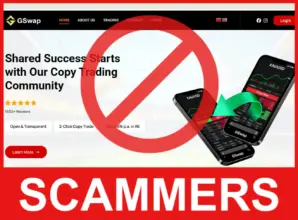
Online trading has become extremely accessible in recent years, and that has created both opportunities and risks. Alongside legitimate financial companies, a growing number of unregulated or unclear platforms appear, offering trading services that look professional on the surface but often raise concerns once users start interacting with them. One of these platforms is GSwap, operating through the website gswaps.com. At first glance, it presents itself as a modern brokerage service offering access to forex, crypto, and CFD markets. It uses familiar marketing language about fast execution, profitable trading conditions, and simple onboarding. However, in the online investment space, appearance is not enough. Many platforms that look identical in structure turn out to operate in ways that users later describe as problematic, especially when it comes to withdrawing funds or verifying company legitimacy. This review takes a closer look at GSwap, focusing on transparency concerns, reported user experiences, common patterns seen in similar brokers, and what affected clients can do next. The goal is not to make legal accusations, but to highlight risk indicators that consistently appear in cases where traders later report financial losses.
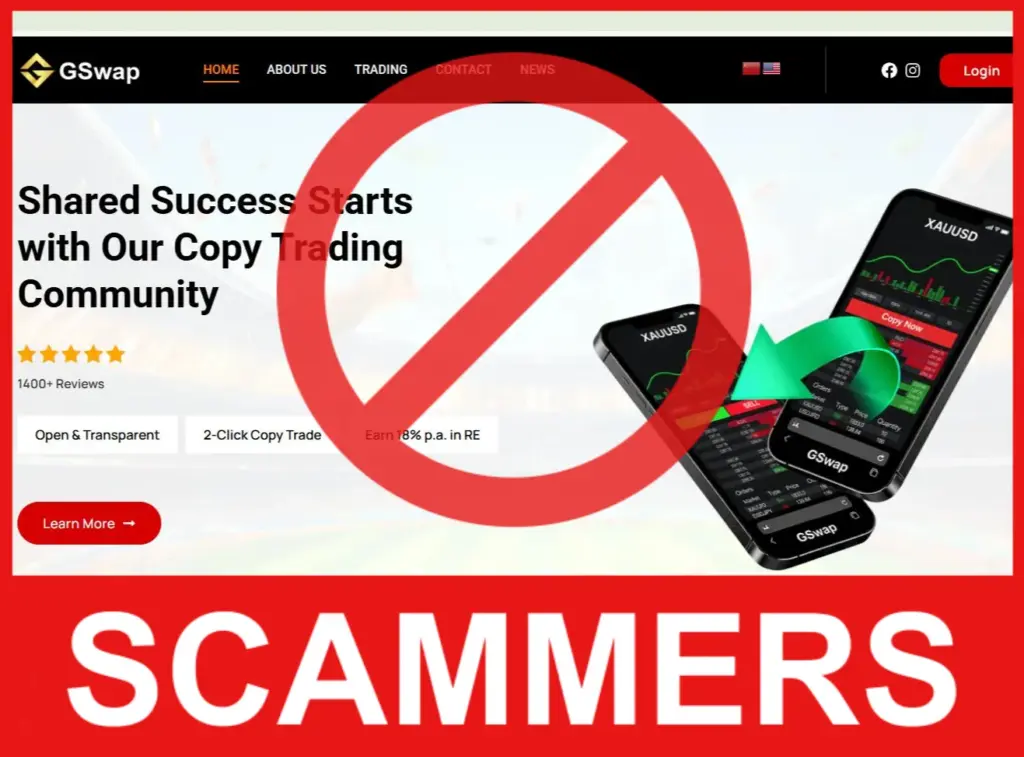
Information About the Fraudulent Broker
GSwap positions itself as an international trading platform designed for both beginners and experienced traders. The website typically emphasizes ease of use, access to global financial markets, and the possibility of generating income through online trading. Like many modern brokerage websites, it uses a clean interface and persuasive language. The registration process appears simple, and users are often encouraged to start trading quickly after creating an account. In many similar cases across the online trading industry, platforms structured like this tend to highlight several common ideas. They often promote high returns, fast profits, or “professional account managers” who can supposedly assist with trading decisions. These features are designed to build trust quickly, especially with users who are new to financial markets. However, when people begin to look for deeper operational details, questions often arise. Information about the actual company behind the website is usually limited or unclear. There is often no detailed explanation of who owns the platform, where it is officially registered, or how client funds are safeguarded. This lack of clarity does not automatically confirm wrongdoing, but in the financial sector, transparency is one of the most important trust factors. When it is missing, users are left relying mainly on marketing content rather than verified legal information.
Verification of Company Data
A key step in evaluating any broker is checking whether it is regulated by a recognized financial authority. Licensed brokers are required to follow strict rules, including capital requirements, client fund segregation, and transparent reporting. In the case of platforms like GSwap, users often struggle to confirm such regulatory status. Either licensing information is missing, unclear, or cannot be verified through official financial regulator databases. Another concern commonly observed in similar platforms is the use of vague corporate identities. Instead of clearly stating a registered company name and physical headquarters, websites sometimes provide general contact forms or addresses that cannot be independently confirmed. Domain registration data can also raise questions. In many cases, websites of this type are relatively new, and ownership details are hidden behind privacy protection services. While privacy protection itself is not illegal, in financial services it reduces transparency. The terms and conditions section may also appear generic or copied from other websites, without specific legal jurisdiction or clearly defined dispute resolution procedures. This creates additional uncertainty about how client disputes would be handled. When all of these factors are combined, the overall level of transparency appears limited, which increases risk for potential users.
Exposing the Broker as a Fraudster
User discussions and complaint patterns related to brokers similar to GSwap often follow a recognizable structure. At the beginning, users typically report smooth onboarding. Deposits are accepted quickly, and the platform may show early signs of trading activity that appear positive. Account dashboards may reflect growing balances, which encourages users to continue investing. After initial engagement, communication with so-called account managers often becomes more active. Users describe receiving frequent calls or messages encouraging them to increase deposits in order to unlock better trading conditions or higher returns. Problems usually begin when users attempt to withdraw funds. At this stage, reports often include delays, repeated verification requests, or explanations that additional steps are required before processing withdrawals. Some users mention being asked to pay unexpected fees, such as taxes, commissions, or account release charges. Others report that their accounts were temporarily restricted or that support communication became inconsistent. Another recurring pattern is the psychological pressure applied through continuous encouragement to reinvest profits instead of withdrawing them. This creates a cycle where funds remain inside the platform while users are persuaded to increase exposure. While individual experiences may differ, the overall pattern described in many cases involving similar platforms is consistent enough to raise concern.
Fraud Broker’s Deception Scheme
Platforms that operate in high-risk or unregulated environments often follow a structured approach. The process usually starts with online advertising, sometimes through social media, messaging apps, or investment-themed promotions. Users are directed to a professionally designed website that builds initial trust. After registration, a representative may contact the user, presenting themselves as a financial advisor. Their main role is to encourage the first deposit and guide the user into making trades. Once funds are deposited, the platform may simulate trading activity. Users might see profits appear on their dashboard, which creates a sense of success and encourages further investment. As the investment amount grows, users are often persuaded to upgrade their account or invest larger sums. The messaging typically focuses on opportunity and urgency, suggesting that larger deposits lead to better outcomes. The final stage occurs when a user requests a withdrawal. At this point, complications begin to appear. These may include verification delays, requests for additional payments, or technical issues preventing access to funds. In many cases, communication eventually slows down or stops completely. This is the stage where users begin searching for external help or recovery options.
How to Get Money Back from a Scam Broker
When users realize they may be dealing with a problematic broker, the next concern is usually whether funds can be recovered. Recovery is not always straightforward, but there are structured approaches that can help depending on how the deposit was made. If payments were processed via bank cards, there may be options for dispute procedures through financial institutions. If transfers were made through other channels, different investigation methods may apply. Specialized recovery services such as DNB Forex Review are often contacted in such situations. Their role typically involves analyzing transaction records, identifying possible recovery paths, and guiding clients through dispute processes with banks or payment providers. They may also assist in gathering documentation, preparing formal complaints, and assessing whether chargeback mechanisms can be applied. In some cases, they help clients understand whether legal action in a specific jurisdiction is realistic. It is important to understand that no recovery service can guarantee success. Each case depends on payment methods, timing, and the willingness of financial institutions to process disputes. However, professional analysis can significantly improve the chances of taking the correct steps early.
Negative Reviews About the Broker
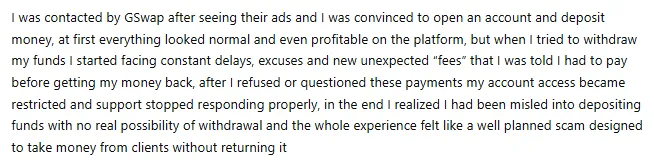
Across various online discussions and review platforms, complaints related to brokers with similar profiles tend to share common themes. Users frequently mention difficulties withdrawing funds, especially after their account shows profits. Others describe being encouraged to deposit more money in order to access supposed trading benefits or resolve account issues. Some users report that communication was friendly and responsive at first, but became inconsistent once withdrawal requests were made. In certain cases, support teams allegedly stopped responding altogether. There are also reports of emotional pressure tactics, where users were reassured repeatedly that their funds were safe while being encouraged to continue trading instead of withdrawing. What stands out in many of these experiences is the contrast between the initial stage and the later stage. Everything appears smooth at first, but problems emerge when money is requested back. While not every user report can be independently verified, the repetition of similar patterns across different platforms is notable.
Why Platforms Like This Continue to Appear
A broader question often arises: why do such platforms keep appearing if they generate complaints? The answer lies partly in the structure of online marketing and offshore business registration. Creating a new website is relatively easy, and companies operating without strict regulation can rebrand quickly if negative attention grows. Additionally, online advertising allows rapid reach to large audiences. Investment opportunities can be promoted aggressively before users have time to verify legitimacy. Jurisdictional challenges also play a role. If a company operates across borders without a clear regulatory base, legal enforcement becomes more complicated. This combination makes it important for users to perform careful checks before investing, especially when dealing with platforms that promise unusually high returns or lack clear regulatory transparency.
Conclusion
GSwap, like many online trading platforms that raise concern among users, leaves behind more questions than answers when it comes to transparency, regulation, and real trading conditions. At first glance, everything may look convincing: a modern website, promises of accessible trading, and smooth onboarding that gives the impression of a legitimate financial service. But once you look beyond the surface and focus on how such platforms behave over time, a different picture often starts to emerge. The most consistent warning sign is not what the platform says in its advertising, but how it behaves when money is involved. Many users in similar situations report that depositing funds is simple and fast, while withdrawing them becomes complicated, delayed, or surrounded by unexpected conditions. This imbalance alone is one of the strongest red flags in the online trading industry, because in a properly regulated environment, deposits and withdrawals should be equally transparent and straightforward. Another important issue is the lack of verifiable company information. When a broker does not clearly disclose who operates it, where it is registered, and which regulator oversees its activity, users are essentially left without protection. Regulation is not just a formal label — it is what ensures accountability, dispute resolution mechanisms, and financial oversight. Without it, clients have very limited options if something goes wrong. What makes situations like this especially difficult is the psychological aspect. Many users describe a gradual process rather than an immediate problem. At first, communication feels professional and supportive. Account managers may appear helpful, even friendly, and initial trading results may look encouraging. This stage builds trust. But later, when larger amounts are involved or when users try to withdraw funds, the tone and behavior often change. Requests for additional payments, vague explanations, or sudden account restrictions can appear without clear justification. This shift is often what leads users to realize that something is not right. It is also important to understand that these platforms do not usually operate in isolation. The online trading space contains many websites that look similar, follow the same structure, and use nearly identical marketing language. When one platform gains too many negative reviews or becomes widely discussed, it can disappear and reappear under a different name. This cycle makes it difficult for inexperienced users to identify risk patterns early. For people who have already deposited money and are facing problems, the situation can feel stressful and confusing. Many try to resolve issues directly with the platform, but often receive slow responses or unclear instructions. This is the point where professional assistance becomes relevant. Services like DNB Forex Review are often contacted to analyze the case, review payment history, and identify possible recovery routes. Depending on the method used for deposits, there may be options such as chargebacks, payment disputes, or formal complaints through financial institutions. However, timing is critical, and delays can reduce the chances of successful recovery. Still, one of the most important lessons from cases like this is prevention. Once money has been sent, control becomes limited. That is why careful evaluation before investing is essential. Checking regulatory status, verifying company details, reading independent reviews, and being cautious about unrealistic promises are not just formal steps — they are necessary protections in a space where not everything is what it seems. In the end, GSwap serves as another example of how important due diligence is in online trading. The combination of unclear regulation, user complaints, and withdrawal issues creates a risk profile that should not be ignored. While every user’s experience may differ, the overall pattern seen across similar platforms highlights the same reality: when transparency is missing, risk increases significantly. For anyone who is already involved and experiencing difficulties, the key message is not to panic, but also not to delay action. The sooner a case is reviewed and properly documented, the better the chances of identifying possible recovery options. And for future decisions, the safest approach remains simple — if a platform cannot clearly prove who it is and how it operates, it is always worth stepping back before committing any funds.






I became involved with GSwap because I wanted to invest and believed the opportunity was legitimate. Unfortunately, after transferring money to the platform, I faced problems that made me question its reliability. My withdrawal requests were rejected or delayed without a reasonable explanation. I am trying to find out if other victims have managed to recover their funds and what actions they recommend taking after being affected by this type of fraud.
Our team will help you recover stolen funds; please submit a request.
GSwap seemed professional when I first started using the platform, which is why I trusted them with my money. However, after requesting a withdrawal, I noticed several warning signs. The company representatives continued asking for additional payments and did not provide a clear explanation of when I would receive my funds. I believe this was a fraudulent scheme and I want to understand what evidence is necessary to begin a recovery process.
If this company has defrauded you, submit a request, and one of our specialists will contact you for a free consultation!