




The online trading industry attracts thousands of new investors every year, but not every broker operates honestly. One of the platforms that has recently raised serious concerns among traders is Spova. Many users claim they faced problems with withdrawals, aggressive account managers, hidden conditions, and sudden account blocking. Complaints about this broker continue to appear on review platforms and forums, which creates a negative reputation around the company. This review was prepared to help potential victims understand how the broker operates, what warning signs can be found in its activities, and why many traders consider Spova an unreliable platform. We also explain how specialists from DNB Forex Review can assist people who lost money to questionable brokerage companies.
Information About the Fraudulent Broker
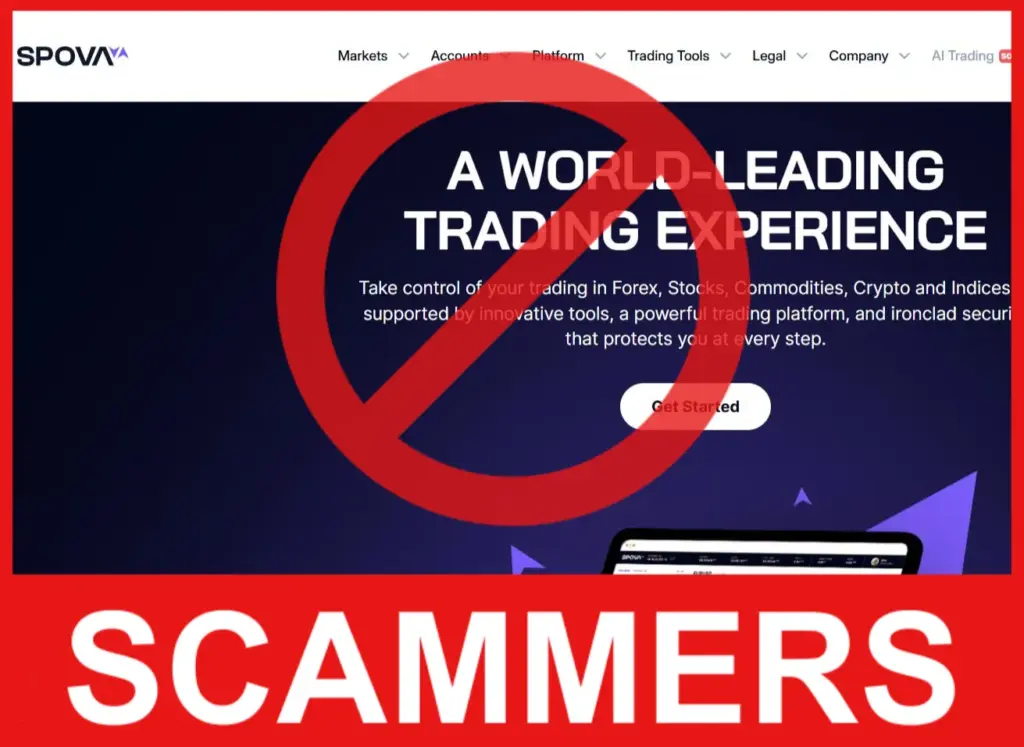
Spova presents itself as an international trading broker offering access to Forex, cryptocurrencies, stocks, and CFDs. The website promises professional support, advanced trading tools, fast execution, and high profits. At first glance, the platform looks modern and convincing. Like many similar projects, it tries to create the image of a legitimate financial company trusted by traders worldwide. However, after a deeper analysis, many problems begin to appear. The company provides very limited information about its real owners and management team. There is no transparent history of the business, and many sections of the website contain generic marketing phrases instead of real legal details. Traders who contacted the broker often report that managers constantly pressure them into making larger deposits while promising guaranteed income and “exclusive opportunities.” Another concerning detail is the lack of transparency regarding trading conditions. Important information about commissions, spreads, and withdrawal policies is either unclear or difficult to find. This approach is often used by dishonest brokers that prefer clients to discover hidden conditions only after depositing money. Several users also claim that after successful trades, their accounts suddenly faced technical problems or verification requests that delayed withdrawals for weeks. In many complaints, clients say communication with support became almost impossible once they requested their funds back.
Verification of Company Data
Checking the legal status of a broker is one of the most important steps before investing. In the case of Spova, many traders noticed inconsistencies in the company’s registration details and licensing claims. Reliable brokers usually publish full regulatory information, including license numbers, legal addresses, and details about financial supervision. With Spova, this information appears incomplete or difficult to verify. Some reports suggest that the broker may operate without proper authorization from respected financial regulators. This creates major risks for investors because unregulated companies are not required to follow strict financial rules or protect client funds. Without regulation, clients often have no real protection if disputes occur. There are also concerns regarding the company’s contact details. Some users reported that support representatives avoided answering direct legal questions or provided vague responses. In addition, the broker allegedly changes communication channels frequently, which is another common sign of unreliable operations. A lack of transparency about corporate structure and financial accountability makes it difficult to trust the platform. Professional brokers usually have publicly available documentation and clear legal obligations. Suspicious brokers, on the other hand, often hide behind offshore registrations or temporary websites designed mainly to collect deposits from inexperienced traders.
Exposing the Broker as a Fraudster
One of the biggest warning signs reported by clients is withdrawal refusal. Many traders claim they were able to deposit money easily, but when they attempted to withdraw profits or even their original balance, problems immediately started. Support managers allegedly requested additional payments, taxes, or verification fees before processing withdrawals. Another serious issue is psychological pressure from account managers. Former clients describe constant phone calls encouraging them to invest more money. In some cases, users say managers used manipulative tactics, claiming that “special market opportunities” would disappear if clients did not deposit immediately. Victims also report suspicious trading activity on accounts. Some traders noticed unexpected losses, trades they did not authorize, or sudden account balance drops. This behavior is frequently mentioned in complaints about scam brokers that control internal trading systems rather than connecting clients to real financial markets. The company’s marketing style also raises concerns. Promises of stable profits, financial freedom, and minimal risks are often unrealistic. Legitimate brokers normally warn clients about the dangers of trading instead of guaranteeing success. All these factors together create a picture that strongly resembles the operating methods used by many fraudulent investment platforms.
Fraud Broker’s Deception Scheme
According to complaints from affected traders, the scheme follows a familiar pattern seen in many online broker scams. First, potential victims are attracted through online advertising, social media promotions, or phone calls. The broker promises easy earnings and professional guidance even for beginners with no trading experience. After registration, clients are contacted by persuasive managers who encourage small initial deposits. In the beginning, the account may even show artificial profits to create trust and excitement. Once the client believes the system works, managers push for larger investments. Problems usually begin when traders attempt to withdraw funds. Suddenly, the broker may demand extra fees, additional deposits, or complex verification procedures. Some users say their accounts became inaccessible after repeated withdrawal requests. In other situations, communication stops completely. Emails remain unanswered, phone numbers stop working, and support agents disappear. By the time victims realize what happened, recovering the money becomes much more complicated. This type of operation relies heavily on emotional manipulation. Fraudulent brokers often use fear, urgency, and false promises to keep clients depositing money for as long as possible.
How to Get Money Back from a Scam Broker
Recovering money from suspicious brokers can be difficult without professional support. Many victims feel lost after losing access to their funds or receiving no response from the company. This is where DNB Forex Review helps clients understand possible recovery options. Specialists analyze the situation, collect evidence, review payment methods, and prepare the necessary documentation for disputes or chargeback procedures. Every case is different, especially when payments involve bank cards, cryptocurrency transfers, or international transactions. An important advantage of professional assistance is experience in dealing with fraudulent brokers and understanding the tactics these companies use. Victims often make mistakes by trusting fake recovery agents or continuing communication with dishonest brokers. Professional guidance helps avoid additional financial losses. DNB Forex Review also helps clients organize transaction records, communication screenshots, and account history, which can strengthen the recovery process. Fast action is extremely important because delays may reduce the chances of returning funds.
Negative Reviews About the Broker
The number of negative comments connected to Spova continues to grow across various online platforms. Many reviews mention nearly identical problems, which increases concerns about the broker’s activities. One common complaint involves withdrawal delays. Traders say requests remain “under review” for weeks or months without any clear explanation. Others report aggressive behavior from managers who pressured them into depositing more money after initial losses. Some users claim they were promised personal financial experts and guaranteed trading strategies, only to experience major losses shortly afterward. Several reviews also mention poor customer support once problems started appearing. Another recurring issue is blocked accounts. Traders describe situations where access to the platform suddenly disappeared after they questioned suspicious activity or requested withdrawals. In many cases, clients say support completely stopped responding. Although every investment carries risk, the consistency of these complaints creates serious doubts about the reliability of the broker.

Why Scam Brokers Continue Finding New Victims
One of the biggest questions many people ask after reading reviews about suspicious brokers like Spova is simple: if there are already complaints online, why do people still continue losing money to these platforms? The answer is actually more complicated than it seems. Fraudulent brokers have become much more sophisticated over the years, and today they rarely look like obvious scams at first glance. Modern scam platforms invest heavily in appearance. Their websites often look professional, expensive, and convincing. They use polished designs, financial terminology, fake certificates, and even fabricated success stories to create the illusion of legitimacy. For someone without experience in online trading, it can be extremely difficult to immediately recognize the danger. Another reason why these companies continue attracting victims is psychological manipulation. Scam brokers rarely start by demanding huge amounts of money. Instead, they begin with small deposits that appear harmless. A client may invest a few hundred dollars and even see fake profits displayed inside the trading account. This creates excitement and trust. The person begins believing that the platform is real and that serious earnings are possible. At this stage, the so-called account managers usually become much more active. They contact clients regularly, speak confidently about financial markets, and present themselves as experienced professionals. Some victims say these managers acted more like close friends than financial consultants. They ask personal questions, learn about the client’s financial situation, and then use this information to apply pressure later. Many people also underestimate how emotionally difficult trading can be. When a person loses money, they often become desperate to recover it quickly. Scam brokers take advantage of this emotional state. Instead of warning clients about risks, they encourage larger deposits by promising that one more trade can recover all previous losses. This creates a dangerous cycle where victims continue sending money while hoping to fix the situation. Social media has also become a major tool for fraudulent brokers. Fake success videos, luxury lifestyle photos, and paid advertisements create the illusion that thousands of people are earning money easily through trading platforms like Spova. In reality, many of these promotions are completely fabricated. Some companies even use fake reviews and stolen identities to appear trustworthy online. Another major problem is that many victims feel embarrassed after being deceived. People often avoid reporting scams because they fear judgment from friends or family. Fraudulent brokers understand this perfectly. They rely on silence and shame to continue operating without attracting too much attention. It is also important to understand that scam brokers frequently change names, domains, and branding. A company that receives too many complaints may simply disappear and reopen under a different project a few months later. This is why checking a broker’s real history, regulation, and reputation is so important before investing any money. Many victims only realize the truth when they attempt to withdraw funds. Until that moment, the platform may appear completely normal. Once withdrawal requests begin, excuses suddenly appear. Clients may be told they need to pay taxes, commissions, insurance fees, or complete endless verification checks. In some cases, accounts are frozen completely. Understanding these manipulation methods can help people protect themselves in the future. Investors should always remain cautious when dealing with unknown brokers that promise guaranteed profits, pressure clients into urgent decisions, or operate without strong regulation. Financial markets always involve risks, and no legitimate company can honestly guarantee fast and easy income. The story surrounding brokers like Spova serves as another reminder that professional-looking websites and persuasive managers do not automatically mean a company is trustworthy. Careful research, independent reviews, and proper verification remain the best defense against online financial fraud.
Conclusion
The information available about Spova raises many serious concerns. Complaints about withdrawal problems, lack of transparency, pressure from managers, and negative client experiences all point to significant risks for investors. Traders should always carefully verify any broker before sending money, especially when the company provides unclear legal information or unrealistic promises. Victims of suspicious brokers often feel embarrassed or hopeless, but it is important to understand that online financial scams affect people worldwide every day. Acting quickly and seeking professional support may improve the chances of recovering lost funds. DNB Forex Review works with clients who became victims of dishonest brokers and helps them understand possible recovery solutions. Careful documentation, legal analysis, and timely action can play an important role in fighting financial fraud and protecting investors from future scams.






Thank you for publishing information about this company. I wish I had found this page a few months earlier. My experience followed a very similar pattern to what is described in the review. I was encouraged to invest more and more funds with promises of higher returns. Everything looked fine on the platform until I requested a withdrawal. After that, excuses started appearing every week. If there are legal options available for victims, I would appreciate learning more about them because I still hope to recover at least part of my savings.
You’re absolutely right. If you’ve been scammed by this company, please submit a request with us, and our specialist will contact you for a free consultation!