




The world of online trading has become a space where real investment opportunities exist side by side with platforms that raise serious doubts. Auralyex is one of those brokers that has recently started attracting attention for all the wrong reasons. On the surface, it presents itself as a modern trading service with access to forex, crypto assets, indices, and other financial instruments. The presentation is clean, confident, and clearly designed to appeal to people who are new to trading and looking for simple ways to grow their money. The promise is always the same: easy access, fast profits, and professional guidance. Everything is framed in a way that feels approachable, almost reassuring. For someone with no experience, it can look like a safe entry point into financial markets. But the situation described by users tells a different story. Once real money enters the platform, many clients report that the experience becomes complicated, confusing, and in some cases, financially damaging. Withdrawal issues, unclear account behavior, and increasing pressure to invest more funds appear frequently in complaints shared online. This report prepared for DNB Forex Review takes a closer look at how Auralyex operates, based on available information and common patterns seen in similar high-risk brokerage cases. The aim is to help readers recognize early warning signs before losses occur.
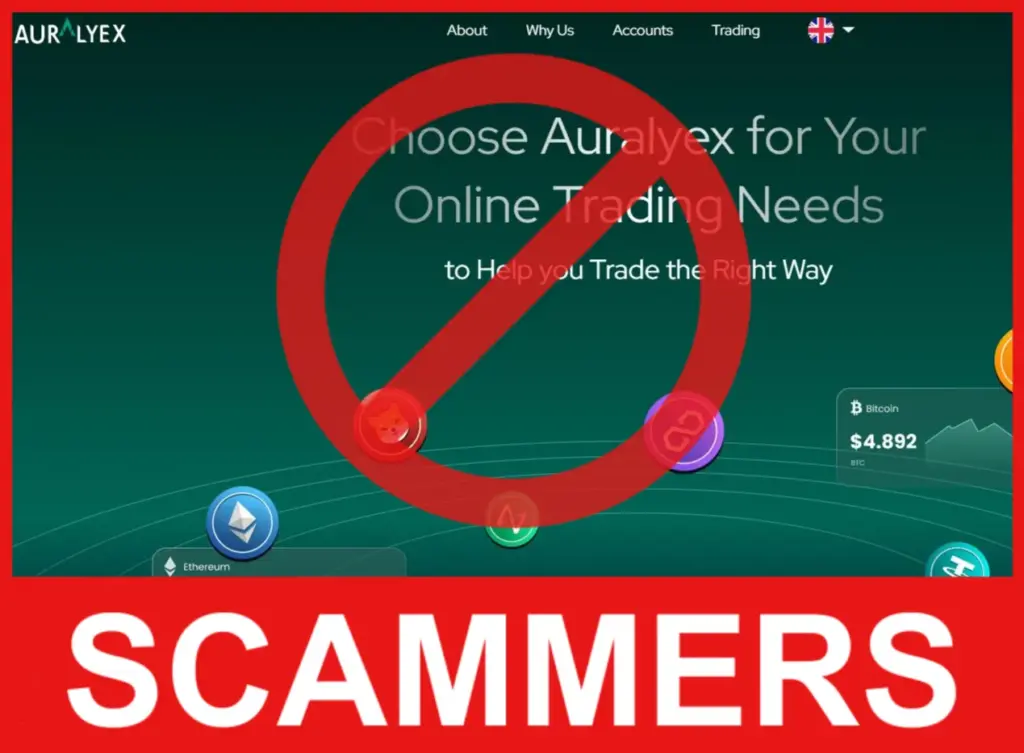
Information About the Fraudulent Broker
Auralyex positions itself as an international trading platform offering access to global financial markets. The website highlights modern trading tools, easy-to-use interfaces, and personal assistance for clients. The marketing language is clearly designed to appeal to a broad audience, from beginners who are just exploring trading to more experienced users looking for additional opportunities. At first glance, everything looks structured and professional. The onboarding process is usually smooth, and users are often introduced to account managers who present themselves as personal advisors. These individuals guide clients through registration, explain platform features, and encourage them to start trading as soon as possible. During this early stage, communication feels supportive. The idea is to build trust quickly and reduce hesitation. Users are often told that trading is simple, accessible, and potentially highly profitable if they follow guidance. However, as time goes on, the tone begins to change. Instead of general support, communication becomes more focused on increasing deposits and expanding trading activity. The emphasis shifts from learning the platform to investing more money. Another issue is the lack of transparent background information. There is very little verifiable data about company ownership, physical location, or operational history. This absence of clarity makes it difficult for users to understand who is actually managing their funds.
Verification of Company Data
When evaluating any financial service, regulation and company transparency are the foundation of trust. Legitimate brokers operate under strict oversight and clearly display their licensing information, legal entity details, and regulatory authority. In the case of Auralyex, this area raises concerns. There is no clearly verifiable evidence of licensing from a recognized financial regulator. This is significant because regulated brokers must always provide transparent proof of authorization. In addition, company registration details appear unclear or difficult to confirm independently. In many similar cases involving questionable brokers, offshore structures are used or corporate information is presented in a way that makes verification difficult. Auralyex shows several characteristics that resemble this type of setup. When users try to ask direct questions about regulation, support responses tend to avoid specific answers. Instead of providing official documentation, communication often becomes general, vague, or focused on platform advantages rather than legal status. This lack of transparency creates a major trust issue. In financial services, unclear company data is not a minor detail—it is a core risk factor.
Exposing the Broker as a Fraudster
User feedback around Auralyex highlights several recurring problems. One of the most common issues involves withdrawals. Many users report that when they try to withdraw funds, the process becomes delayed, complicated, or suddenly blocked without clear explanation. Another frequent complaint relates to communication pressure. Account representatives often encourage clients to deposit more money, sometimes framing it as a necessary step to unlock better trading opportunities or higher returns. This kind of messaging can strongly influence inexperienced traders. There are also reports suggesting that the trading results displayed on the platform may not always reflect real market conditions. While this cannot be fully confirmed, similar concerns often appear in cases involving non-transparent trading systems. In some situations, users report that their accounts become restricted shortly after requesting withdrawals or questioning platform behavior. Communication at that point may slow down or stop completely, leaving users without access to their funds. Taken together, these patterns suggest a system where deposits are encouraged, but withdrawals become increasingly difficult.
Fraud Broker’s Deception Scheme
Platforms with similar behavior often follow a predictable structure. At the beginning, users are introduced to the platform through advertising or direct contact. The message is simple: trading is easy, and profits are achievable. This stage is designed to lower resistance and encourage quick sign-up. After the first deposit, users may see positive results inside their account. These early outcomes create confidence and reduce skepticism, making further investment more likely. Once trust is established, account managers begin encouraging larger deposits. They may suggest that more capital leads to better opportunities or access to special trading conditions. This stage is where financial exposure usually increases significantly. Problems often appear when users attempt to withdraw funds. Delays start, additional verification requests appear, or unexpected restrictions are introduced. In many cases, withdrawal requests remain unresolved for long periods. Eventually, communication may decrease or stop entirely, leaving users without access to their money.
How to Get Money Back from a Scam Broker
When users face problems with platforms like Auralyex, recovering funds can be difficult, but structured assistance can improve the situation. Services such as DNB Forex Review specialize in analyzing financial disputes and identifying possible recovery options. The process begins with a detailed review of all transactions, including deposits, transfers, and communication history with the broker. This helps determine whether any financial recovery tools, such as chargebacks or dispute procedures, are still available. Depending on the case, further steps may involve contacting banks, payment providers, or financial institutions involved in the transaction process. Each situation is unique, and the approach depends heavily on payment methods and timing. Early action is very important. The sooner a case is reviewed, the higher the chances of identifying possible recovery routes before deadlines expire.
Negative Reviews About the Broker
User experiences shared online often follow a similar pattern. Many people say that everything seems fine at the beginning, but problems appear once they try to withdraw funds. Another repeated complaint is ongoing pressure to invest more money. Users describe frequent messages or calls encouraging additional deposits, often linked to promises of higher profits or exclusive trading opportunities. There are also reports of sudden account restrictions, verification delays appearing only during withdrawal attempts, and reduced communication from support once issues arise. These repeated experiences suggest a consistent pattern rather than isolated incidents.

Hidden Risks That Traders Often Don’t Notice
When people first enter online trading, they usually focus on the obvious things: how much they can deposit, what profits they might earn, and how easy the platform looks to use. What often gets overlooked are the quieter risks—the ones that don’t show up immediately, but slowly shape the entire experience and can lead to serious financial loss. Platforms like Auralyex are often discussed in this context because many of the warning signs are not obvious at the beginning, but appear gradually once a user becomes financially involved. One of the most underestimated risks is how carefully the emotional environment is engineered. Many users don’t realize that communication inside such platforms is not random. At the start, everything feels friendly, patient, and supportive. Account managers or “advisors” often take time to explain things in simple language, answer basic questions, and create a sense of trust. This is not necessarily about helping the client trade better—it is about lowering resistance. When a person feels comfortable and guided, they are more likely to make faster financial decisions without overthinking. As time goes on, this communication pattern subtly changes. Instead of neutral guidance, the tone becomes more persuasive. Users are encouraged to act quickly, increase deposits, or take advantage of “limited opportunities.” The shift is not abrupt, which makes it harder to notice. Many traders only realize in hindsight that their decisions were influenced by repeated pressure rather than independent judgment. Another hidden risk comes from how results are displayed inside the platform itself. On the surface, everything looks like real trading activity. Profits and losses appear in real time, charts move, and positions open and close as expected. For an inexperienced user, this creates the impression that everything is connected to real financial markets. What is not obvious is that the internal environment of some unregulated platforms may not always reflect actual market execution. This means the user is making decisions based on information they assume is real, even if there is no independent confirmation of it. This leads to another psychological trap: early success. Many users report that their first trading experience looks positive. Small deposits sometimes appear to grow quickly, which creates excitement and confidence. This stage is extremely important from a psychological perspective because it removes doubt. Once a person believes they are already making money, they are far more likely to increase their investment. The problem is that this early “success” often sets the foundation for larger financial exposure later. A further risk that is rarely discussed is dependency on account managers. In many cases, users begin to rely heavily on guidance from these representatives. Instead of making independent decisions, they start asking whether they should invest more, wait, or withdraw. Over time, this creates a subtle shift in control. The trader no longer feels fully in charge of their own account. Even when doubts arise, the presence of a “trusted advisor” can override hesitation. This dependency can make it much harder to step back and evaluate the situation objectively. Payment structure is another area where risks are often hidden in plain sight. Many platforms encourage methods that are fast and convenient at the moment of deposit but difficult or impossible to reverse later. Cryptocurrency transfers, international wires, or third-party payment processors are commonly used in this space. At first, this seems efficient. Money moves quickly, and trading begins almost immediately. However, the same speed that makes deposits easy also makes recovery extremely complicated if something goes wrong. Once funds leave the user’s control, tracing or reversing them becomes a technical and legal challenge. There is also a less visible but very important factor: delayed realization. Many users do not immediately recognize that something is wrong. Even when small issues appear—delayed withdrawals, unclear explanations, or changing conditions—they are often interpreted as temporary technical problems. This delay in understanding gives the system more time to continue operating. By the time the user fully realizes the situation, a significant amount of money may already be involved, making emotional and financial recovery more difficult. Another overlooked risk is the gradual normalization of unusual behavior. In a properly regulated financial environment, certain processes are predictable: deposits, withdrawals, and account access follow strict rules. But in questionable platforms, users may slowly become accustomed to irregularities such as unexpected verification requests, shifting conditions, or changing support responses. What would normally be seen as a red flag becomes, over time, just “part of the system.” This normalization process reduces resistance and makes it harder for users to recognize danger early. Perhaps one of the most powerful hidden risks is the illusion of control. The platform interface often gives users the feeling that they are actively managing trades, making independent decisions, and reacting to real market conditions. In reality, the level of control may not be as transparent as it appears. When people believe they are fully in charge, they are more likely to take risks they would normally avoid in a clearly regulated environment. Finally, there is the emotional aftermath, which is often underestimated. Once problems begin—especially withdrawal issues—users experience a mix of confusion, frustration, and self-doubt. Many start questioning their own decisions rather than the structure of the platform itself. This emotional response can delay action, making recovery more difficult and extending the period of financial exposure. All of these hidden risks share a common feature: they are not immediately visible. They develop gradually, often blending into what looks like normal platform behavior. This is why many traders only understand the full picture after they have already suffered losses. Recognizing these patterns early is one of the most important steps in avoiding situations where financial decisions are influenced more by system design than by informed choice.
Conclusion
The overall situation with Auralyex is not defined by a single problem, but by a combination of repeated warning signs. These include unclear regulation, lack of transparency, withdrawal difficulties, and persistent pressure to increase deposits. While the platform presents itself as a legitimate trading service, user experiences suggest a structure where financial control becomes increasingly limited once money is deposited. The imbalance between easy deposits and difficult withdrawals is one of the strongest warning indicators. Another important issue is communication behavior. Account managers often shift from supportive guidance to financial pressure, which can influence users to invest more than originally planned. Over time, this creates a situation where decision-making becomes less objective. For individuals who have already experienced difficulties, immediate action is critical. Waiting often reduces the chances of recovery, especially when transactions involve irreversible payment methods. Professional assistance through services like DNB Forex Review can help bring structure to a confusing situation. By analyzing financial records, identifying possible dispute options, and guiding users through recovery procedures, specialists provide clarity in cases that are often difficult to navigate alone. Ultimately, the Auralyex case highlights an important lesson: in online trading, appearance is never enough. Real legitimacy is proven through regulation, transparency, and reliable financial behavior. Without these elements, the level of risk increases significantly, no matter how convincing the platform may look at first.






I appreciate that the review focuses on observable red flags instead of sensational claims. In my case, the biggest warning sign was the inability to withdraw even a small test amount while representatives continued requesting larger deposits. After seeking legal assistance, I received guidance on preserving evidence and contacting my payment provider. I eventually recovered a portion of the funds, though not everything. The process took several weeks and required detailed transaction records. For anyone affected by Auralyex, documenting every payment and conversation seems more important than arguing with the platform.
Submit a request, and we’ll help you.