




The online trading world has expanded rapidly in recent years, bringing both legitimate investment opportunities and a growing number of high-risk platforms that raise concerns among users. One such platform is AlphaAITradePro, which presents itself as a modern AI-based trading service designed to simplify investing and generate consistent profits through automated systems. At first sight, the website appears professional and structured around attractive promises such as effortless income, advanced algorithmic trading, and financial independence for beginners. However, when platforms rely heavily on marketing language and profit expectations without offering clear transparency, experienced traders tend to approach them with caution. In many similar cases across the industry, users only begin to understand potential risks after they deposit money and attempt to withdraw funds. This is why discussions around AlphaAITradePro often focus not only on its advertising claims but also on the broader question of reliability, accountability, and user protection. This review is designed as an educational overview of publicly discussed concerns, typical risk indicators, and common patterns associated with unregulated or questionable trading services. It also explains how affected individuals often seek assistance when financial disputes arise and why professional support services such as DNB Forex Review are frequently mentioned in this context. The goal is to present the information in a clear and practical way so readers can better understand how such platforms operate and what warning signs should not be ignored.
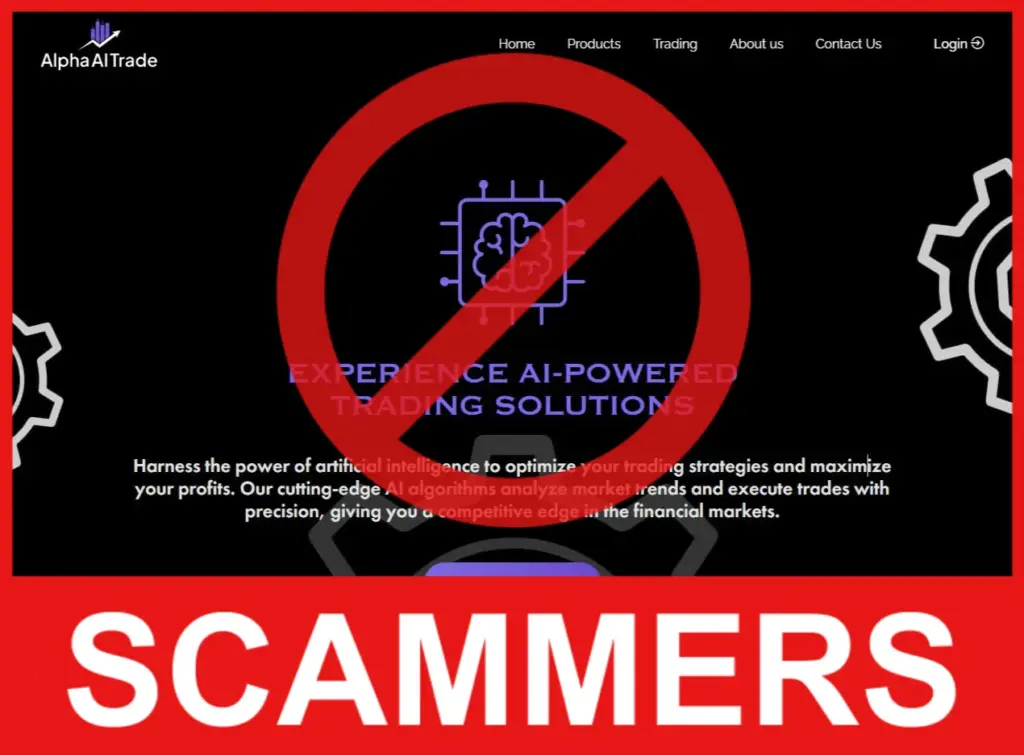
Information About the Fraudulent Broker
AlphaAITradePro is presented as an online trading platform that claims to use artificial intelligence to manage financial markets, including forex and cryptocurrency trading. The concept is attractive to many users because it suggests that complex trading decisions are handled automatically, reducing the need for experience or financial knowledge. The website typically emphasizes accessibility, quick account creation, and the possibility of generating high returns with minimal effort. In similar platforms operating under the same marketing model, the user experience is often structured to create trust during the initial stage. This includes smooth onboarding, visually appealing dashboards, and communication that highlights potential profits rather than risks. Users may be shown trading results that appear consistent and profitable, reinforcing confidence in the system. However, one of the main concerns that arises with platforms like this is the lack of verifiable operational detail. Important information such as company leadership, physical office locations, audited performance data, and regulatory oversight is often limited or not clearly disclosed. In the financial services industry, transparency is a critical factor because it allows clients to verify who is managing their funds and under what legal framework. Another common issue is the absence of clear explanations about how the AI trading system actually works. While automated trading is a real concept used in legitimate financial institutions, reputable providers typically offer detailed documentation, risk disclosures, and regulatory compliance information. When such explanations are missing or overly simplified, it becomes difficult for users to assess the true nature of the service. As a result, discussions around AlphaAITradePro tend to focus on uncertainty rather than confirmed performance, which is a key reason why many potential investors search for independent reviews before engaging with the platform.
Verification of Company Data
When evaluating any online broker or trading platform, one of the most important steps is verifying its legal registration and regulatory status. Legitimate financial service providers are usually registered with recognized regulatory authorities and must comply with strict rules designed to protect clients. These rules include segregating client funds, providing risk disclosures, and maintaining transparent operational records. In the case of AlphaAITradePro, publicly available information appears limited, and key regulatory details are not clearly presented in a way that can be independently confirmed. This raises questions about whether the platform operates under a recognized financial license or whether it functions outside of established regulatory frameworks. Another area of concern is the lack of verifiable corporate identity. In legitimate brokerage operations, company ownership, legal entity names, and jurisdiction details are usually easy to access and cross-check. When such information is missing, unclear, or difficult to verify, users are left without a reliable way to confirm who is responsible for managing their funds. Additionally, platforms with similar profiles often use offshore registration structures. While offshore companies are not automatically fraudulent, they can make dispute resolution significantly more difficult. If a problem arises, clients may find it challenging to identify the correct legal authority to file complaints or initiate recovery procedures. The combination of unclear regulation, limited corporate transparency, and restricted access to verifiable documentation creates an environment where users must rely heavily on trust rather than independently confirmed facts. This is one of the primary reasons why financial experts consistently recommend caution when dealing with such platforms.
Exposing the Broker as a Fraudster
Many users researching platforms like AlphaAITradePro report encountering similar warning signs that are often associated with high-risk trading services. One of the most frequently mentioned issues is the difficulty of withdrawing funds after deposits have been made. While the deposit process is usually smooth and fast, withdrawal requests may become delayed or subject to additional conditions. Another commonly discussed concern is the behavior of account managers or support representatives. In some cases, users describe being encouraged to increase their investment over time with promises of higher returns or access to exclusive trading features. This type of pressure-based communication is often viewed as a red flag in the financial industry, especially when it targets inexperienced investors. Some users also report situations where account balances appear to grow steadily on the platform dashboard, but those profits cannot be accessed or withdrawn. While this cannot be independently verified for every case, such patterns are frequently associated with simulated trading environments used by unregulated platforms. A further concern is the use of bonus structures or promotional offers that come with hidden conditions. These conditions may restrict withdrawals unless additional trading volume or payments are made. In practice, this can create a situation where users feel trapped within the system, unable to retrieve their funds without fulfilling complex requirements. These indicators do not serve as legal proof of misconduct, but they are widely recognized in financial risk assessments as signals that warrant careful attention before further engagement with any trading service.
Fraud Broker’s Deception Scheme
In the broader online trading industry, questionable platforms often follow a predictable pattern of user interaction and fund handling. While each case differs in detail, the general structure tends to remain similar. Initially, users are attracted through persuasive marketing that emphasizes easy profits and advanced technology. This stage is designed to build interest and reduce skepticism. Once users register, they are encouraged to make a small deposit, which is often enough to activate a trading account and create the impression of functionality. After the initial deposit, users may observe positive activity on their account dashboard. This can include simulated profits or consistent growth trends, which help reinforce trust in the platform. At this stage, communication from representatives is typically active and supportive. As users gain confidence, they are often encouraged to increase their investment. This is usually justified by claims that larger deposits lead to better trading opportunities or higher returns. The messaging may become more persuasive, emphasizing time-sensitive opportunities or limited access conditions. Difficulties tend to appear when users attempt to withdraw their funds. This is where delays, additional verification requests, or unexpected conditions may arise. In some cases, users are asked to pay fees or meet further requirements before withdrawal can proceed. Communication may also become less responsive during this stage. This pattern is widely documented in discussions about high-risk online trading environments and is one of the key reasons why financial caution is strongly advised when dealing with platforms that lack clear regulation.
How to Get Money Back from a Scam Broker
When individuals encounter difficulties retrieving funds from online trading platforms, they often seek help from specialists who focus on financial dispute resolution. One of the firms commonly referenced in such contexts is DNB Forex Review, which assists clients in analyzing transactions and exploring potential recovery options. The recovery process generally begins with a detailed review of all available transaction records. This includes deposits, withdrawal attempts, communication history, and payment methods used. Specialists then assess whether the funds were transferred through channels that may allow for dispute procedures, such as bank chargebacks or payment provider claims. In some cases, legal and financial experts may also assist in preparing formal complaints to relevant financial institutions or regulators, depending on the jurisdiction involved. The success of recovery efforts often depends on timing, documentation quality, and the payment method used during the initial deposit. It is important to understand that recovery outcomes cannot be guaranteed. Each case is unique, and the process can vary significantly depending on whether funds were transferred via credit card, bank transfer, or cryptocurrency. However, acting quickly and organizing evidence properly can improve the likelihood of a positive outcome.
Negative Reviews About the Broker
Discussions among users who have interacted with platforms similar to AlphaAITradePro often highlight a range of mixed experiences. Some individuals initially report positive communication and smooth registration, which creates an impression of reliability. The platform interface may also appear functional, showing trading activity and account growth. However, negative experiences tend to emerge later in the user journey. One of the most frequently mentioned issues is difficulty accessing deposited funds once withdrawal is requested. Users sometimes describe repeated delays or requests for additional steps that were not initially disclosed. Another recurring theme involves communication breakdown. While early interactions with support teams are often responsive, some users report reduced responsiveness when financial disputes arise. This shift can lead to frustration and uncertainty, especially for individuals who invested significant amounts. There are also discussions about psychological pressure tactics, where users feel encouraged to continue investing despite hesitation. These experiences are often described as emotionally stressful and financially damaging, particularly for beginners who lack experience in online trading environments. Although individual reports cannot always be independently verified, the repetition of similar patterns across different platforms contributes to broader concerns within the trading community.

Additional important considerations for potential investors
When looking at platforms like AlphaAITradePro or any similar AI-based trading service, it is important to understand that the biggest risks are not always obvious at the beginning. Many users focus only on the promise of profits, but the real safety issues usually appear in the structure of how the platform operates, how it communicates, and how it handles money once it has been deposited. One of the most important considerations is the difference between marketing claims and verifiable financial reality. A platform can easily present itself as “AI-powered,” “advanced,” or “profitable,” but these terms are not regulated or standardized. This means any website can use them without proving anything technically or financially. Real investment firms are required to demonstrate performance history, risk models, and compliance procedures. Without these, the claims remain just marketing language. Another key factor is emotional influence in online trading environments. Many platforms are designed to create a sense of urgency and opportunity. Users may be told that an offer is time-limited or that market conditions are ideal only for a short period. This type of pressure can push people into making faster decisions than they normally would. In financial services, any system that encourages rushed decisions should be viewed cautiously, because legitimate investing always allows time for reflection and independent verification. It is also important to consider how communication is structured. In many high-risk platforms, communication is very active in the beginning. Representatives may respond quickly, explain features in detail, and even guide users step-by-step. However, this level of attention can change once larger deposits are made or withdrawal requests are initiated. A sudden shift in communication style is often one of the most concerning behavioral patterns reported by users in similar cases. Another factor that should not be ignored is control over funds. In regulated environments, client funds are usually held in segregated accounts managed under strict financial rules. This ensures that customer money is not mixed with company operational funds. In unregulated environments, there is often no clear evidence of such separation. This creates a situation where users must rely entirely on the platform’s internal system without external financial protection. Technology presentation is another area that requires attention. Many platforms emphasize artificial intelligence or automated trading systems, but rarely provide technical documentation or third-party verification of how these systems function. Without independent audits or transparent algorithm descriptions, it is impossible to confirm whether trades are genuinely executed in real markets or simply simulated within the platform interface. Payment methods also play a critical role in risk assessment. Platforms that rely heavily on irreversible payment methods, such as cryptocurrency transfers, can create additional difficulties for users in case of disputes. Unlike traditional banking systems, crypto transactions are difficult to reverse, which limits recovery options if something goes wrong. This does not automatically mean a platform is unsafe, but it does increase the importance of caution. Another aspect often overlooked is jurisdiction and legal protection. If a platform operates from an unclear or offshore jurisdiction, users may find it difficult to understand which laws apply to their investments. In the event of a dispute, this can significantly reduce the effectiveness of legal action. Legitimate brokers usually provide clear jurisdictional information and operate under well-known regulatory frameworks that offer client protection mechanisms. Users should also consider the importance of independent research. Relying solely on information provided by the platform itself is not enough. It is important to look for external reviews, regulatory databases, and independent financial discussions. Even then, one should be cautious of manipulated reviews or paid promotional content, which can sometimes appear as genuine feedback. A further consideration is the scalability of investment promises. Many platforms suggest that increasing deposits will automatically increase profits or unlock better trading conditions. In real financial markets, returns are never guaranteed and always involve risk. Any system that presents scaling as a guaranteed path to higher income should be carefully evaluated, because it may not reflect real market behavior. Finally, it is essential to understand the psychological impact of financial loss and recovery attempts. Users who experience difficulties withdrawing funds often feel pressure to invest more in order to “unlock” their capital. This emotional cycle can lead to further losses. Recognizing this pattern early is important to avoid escalating financial exposure. Overall, the most important principle for any potential investor is verification before trust. A professional trading environment is always transparent about regulation, risk, and operational structure. When these elements are missing or unclear, the safest decision is to step back, conduct further research, and avoid financial commitment until full clarity is achieved.
Conclusion
AlphaAITradePro represents a type of modern online trading platform that combines appealing technological claims with limited transparency. While the website promotes automated trading and profit potential, the lack of clear regulatory verification and the types of concerns commonly associated with similar services create understandable caution among users. The most important takeaway is that financial safety depends heavily on verification, documentation, and regulatory oversight. Users who experience difficulties with withdrawals or suspect unfair practices are advised to act quickly, preserve all communication records, and seek professional guidance when necessary. In many cases, firms such as DNB Forex Review are contacted to assist in reviewing transactions and exploring possible recovery paths. While outcomes cannot be guaranteed, structured assistance can provide clarity and direction during stressful financial disputes. Ultimately, the key lesson is simple. In online trading, caution is not optional. It is the foundation of protecting your funds and avoiding unnecessary risk in an increasingly complex digital financial environment.






AlphaAITrade kept calling me every day and convinced me to invest more money. Once I asked to withdraw, they disappeared. I still have all the emails and chat messages. Is that enough to start a recovery case?
If this company has defrauded you, submit a request, and one of our specialists will contact you for a free consultation!
I invested with AlphaAITrade because everything looked professional. At first they showed good profits, but when I wanted to withdraw my money, they kept asking for more payments. Now they don’t reply to my messages. Is there any chance to recover my funds? I have screenshots, emails, and payment receipts if they are needed.
Submit a request, and we will contact you.