




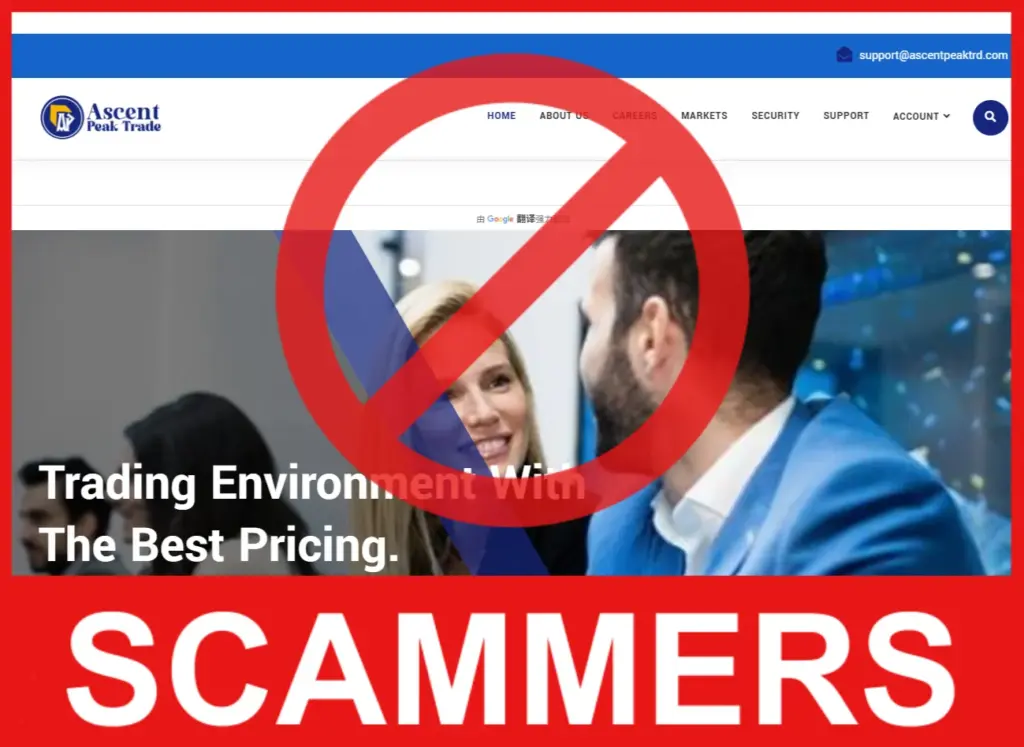
Many people are drawn to online trading with dreams of growing their savings, gaining financial freedom, or achieving a more secure lifestyle through smart investments. Unfortunately, for an increasing number of traders worldwide, these aspirations are shattered by brokers that operate dishonestly, presenting themselves as legitimate financial services. One such entity is Ascent Peak Trade. At first glance, the platform looks professional, offering access to forex, stocks, and cryptocurrencies. Marketing materials boast advanced strategies, user-friendly tools, and expertise. But behind this glossy exterior, there are troubling signs that the broker may not be acting in good faith. This review delves into Ascent Peak Trade’s operations, highlighting why regulators have issued warnings, what victims are reporting, and how people who have already invested can respond. The goal is to not only flag potential dangers but also provide traders and affected investors with practical information to make informed decisions and take appropriate action.
Information About the Fraudulent Broker
Ascent Peak Trade presents itself as a platform designed to help everyday investors profit from financial markets. Its website promotes a variety of trading products, including forex, stocks, and cryptocurrency contracts, and claims to offer superior tools and strategies compared to conventional brokers. The platform emphasizes a growing community of users, tight spreads, professional support, and security features, giving the impression of a safe and credible operation. However, a closer examination reveals significant inconsistencies. Legitimate brokers provide verifiable licenses, transparent corporate information, physical office addresses, and clear policies for safeguarding client funds. Ascent Peak Trade, on the other hand, only offers statements of regulation on its website, which cannot be confirmed through official financial authority registries. This is a common tactic used by fraudulent brokers: an attractive, professional-looking website paired with unverified claims creates a false sense of security for inexperienced traders. Experienced investors know that visual appeal and polished language mean very little without independent validation. Real proof of credibility comes from licensing numbers, audited reports, and transparency about operational practices. Ascent Peak Trade provides none of these, suggesting its primary goal is to attract deposits rather than offer a legitimate investment service.
Verification of Company Data
Before committing funds to any broker, confirming that the company is licensed by a recognized regulator is crucial. Regulatory oversight ensures that brokers follow rules for handling client funds, executing trades fairly, and resolving disputes. It also provides investors with official channels to take action in case of misconduct. Ascent Peak Trade does not appear in public records of reputable financial authorities, including the UK’s Financial Conduct Authority, the U.S. Securities and Exchange Commission, the Commodity Futures Trading Commission, or similar agencies in Europe and Australia. Regulators have issued warnings advising the public to avoid dealing with the company because it operates without authorization. The absence of regulation has serious consequences. Without oversight: There is no monitoring of the broker’s practices. Client funds may not be segregated from business or operational accounts. Investors are not protected by compensation schemes if the broker misuses funds or becomes insolvent. There is no formal authority to appeal to if money is lost or mishandled. Such warnings are serious and indicate that Ascent Peak Trade cannot be trusted to operate ethically or legally.
Exposing the Broker as a Fraudster
Several red flags point to potential fraudulent behavior by Ascent Peak Trade: No Verifiable Licensing: Legitimate brokers seek regulatory approval; scams often avoid oversight entirely. Misleading Marketing Claims: Promises of guaranteed returns, secret trading strategies, and membership in a “trusted network” are designed to lure investors. Legitimate brokers rely on transparent pricing and verifiable results. Questionable Contact Information: Virtual addresses, disposable emails, or inconsistent contact details make accountability difficult. Complaints From Users: Common reports in similar scams include blocked withdrawals, unresponsive support, and pressure to deposit additional funds. False Regulation Claims: Claims of insurance or licensing that cannot be verified are likely deliberate deception. Taken together, these indicators strongly suggest that Ascent Peak Trade is structured to mislead and exploit clients.
Fraud Broker’s Deception Scheme
Fraudulent brokers often follow a familiar pattern. They first attract users with professional-looking websites and marketing promising steady profits. Once a potential client registers, they are contacted by so-called account managers who encourage an initial deposit and reinforce confidence by showing fake gains on the trading platform. As the victim invests more, the platform may continue to display fabricated profits to encourage additional deposits. When withdrawals are requested, the broker introduces excuses such as verification requirements, taxes, or processing fees. Over time, access to funds becomes nearly impossible, and the victim realizes they have lost their money. This cycle—establish trust, simulate gains, then block withdrawals—is typical of broker scams. The professional presentation of the platform makes it difficult for victims to recognize the fraud until substantial losses occur.
How to Get Money Back from a Scam Broker
Getting money back from an unregulated broker like Ascent Peak Trade is challenging but possible. The first and most important step is to stop sending any additional funds, as this only benefits the scammers. Experienced recovery specialists, like DNB Forex Review, help victims pursue chargebacks through banks or card providers, which can sometimes reverse fraudulent transactions if filed promptly. For payments made via wire transfer or cryptocurrency, recovery is more complex but still achievable. Specialists assist with compiling evidence, communicating with financial institutions and payment processors, and exploring legal or investigative channels. Proper documentation—such as screenshots, correspondence, and proof of misleading claims—is critical for strengthening recovery efforts. Acting quickly and working with expert support dramatically increases the chances of recovering lost funds.
Negative Reviews About the Broker
Even though Ascent Peak Trade itself doesn’t yet show a large volume of documented reviews on mainstream financial sites or trading forums, the patterns emerging online and from similar scam brokers paint a consistent and concerning picture. Many traders who have interacted with unregulated, high‑risk broker platforms report nearly identical experiences that ring alarm bells for others considering using Ascent Peak Trade. These kinds of reviews help us understand what real victims go through when they realize they have been misled. One of the most frequently mentioned complaints in similar scam cases is difficulty withdrawing funds after initial deposits are made. Traders often report that their accounts show positive balances or “profits,” which can create a false sense of success. That sense of achievement quickly turns into frustration when withdrawal requests are denied or postponed indefinitely. Users describe how brokers suddenly demand additional fees, extra documentation, or unverifiable “tax clearance” before they are allowed to access their own money. This mirrors what victims of other broker scams have shared, where ostensibly small obstacles balloon into demands for larger payments that never lead to real withdrawals. Another common theme in negative feedback from victims of unregulated platforms is poor or completely non‑responsive customer support. Traders say that while the broker’s support team may initially appear friendly and helpful, communication often dries up as soon as money is deposited. Some victims report that emails go unanswered, support tickets remain unresolved for weeks or months, and phone numbers or live chat options listed on the platform become inaccessible without explanation. In other similar scams, affected traders have described repeated attempts to contact support only to be met with silence or automated responses that never resolve the issue. Pressure to deposit additional funds under various pretexts also shows up consistently in complaints. Victims frequently describe persistent calls, messages, or emails from supposed account managers encouraging them to invest more money to unlock higher returns, cover processing costs, or avoid “losing momentum.” Once the victims deposit these extra funds, they find themselves even deeper in a situation where withdrawals remain blocked. Though this specific pattern has not yet been catalogued specifically for Ascent Peak Trade, nearly every unregulated broker scam documented online follows a remarkably similar strategy, suggesting that this kind of pressure is likely to occur. Victims also note that positive reviews they see on the broker’s site or in search results often feel fake or manipulated. On many scam broker websites, glowing testimonials and hundred‑percent approval ratings are mass‑posted to create an illusion of trustworthiness. However, when traders seek independent feedback from forums or third‑party review sites, they find very few legitimate positive experiences and instead encounter patterns of skepticism and caution. In some cases, legitimate negative reviews are drowned out by paid or manufactured “highly rated” reviews that do not reflect real experiences. This tactic makes it difficult for potential investors to separate genuine feedback from artificial praise. The psychological toll of these experiences is also often reflected in victim accounts. People describe feelings of regret, stress, and betrayal after realizing that the platform they trusted was not transparent about its operations. Many write about the shock of being unable to access funds they believed were trading or investing on their behalf, and the frustration of repeatedly encountering excuses instead of real assistance. For many affected traders, the pain is not just financial but emotional, as the repeated denials of withdrawal and lack of accountability leave them feeling powerless. Even though Ascent Peak Trade may not yet have hundreds of publicly posted complaints, the lack of verifiable positive reviews combined with the kinds of issues seen in related scam broker contexts suggests that negative experiences are likely to be under‑reported or unpublished. Traders who have dealt with similar unregulated brokers have shared nearly identical patterns of blocked withdrawals, unresponsive support, pressure to invest more, and misleading promotional claims. When aggregated, these patterns provide a credible snapshot of what victims are saying about operations like Ascent Peak Trade—that their trust was exploited, that promised access to their own funds was denied, and that they feel misled by an operation that appears credible only on the surface.

Why These Scams Persist
Broker scams like Ascent Peak Trade continue to thrive because they exploit psychological, technological, and regulatory vulnerabilities in the financial system. At their core, these operations prey on emotions—greed, fear of missing out, and the hope for financial independence. Marketing is designed to trigger emotional responses, often presenting high returns as effortless and low-risk, which is particularly compelling for inexperienced traders. Technology makes these scams easier to execute. Professional-looking websites, fake dashboards, and polished promotional materials create an illusion of legitimacy at minimal cost. Unlike the past, scammers no longer need physical offices to appear credible—they can reach a global audience entirely online. Complexity in the financial markets also works in their favor. Most people have limited understanding of trading mechanics, leverage, and regulations. Scammers use real terminology—such as CFDs, liquidity providers, or proprietary strategies—to sound credible, even when no legitimate trading occurs. Regulatory gaps allow these brokers to operate from jurisdictions with weak oversight, making enforcement difficult and enabling scammers to disappear or rebrand with minimal risk. Positive testimonials, fake reviews, and manipulated ratings further mislead victims, while negative feedback is often suppressed or buried. Finally, human bias contributes to the problem. Many assume that a professional-looking site or “experienced” account manager equals legitimacy. Scammers exploit this by combining social proof, technical jargon, and polished interfaces. Victims often realize the deception only when withdrawals are blocked, fees are demanded, or customer support disappears. The combination of emotional manipulation, technological sophistication, regulatory loopholes, and information asymmetry explains why scams like Ascent Peak Trade continue to exist. Understanding these mechanisms is critical for recognizing fraud early and taking steps to protect your investments.
Conclusion
Ascent Peak Trade demonstrates how easy it is for an unregulated broker to appear credible while posing a serious risk to investors. The lack of verifiable licensing, misleading claims, and patterns consistent with known scams make it clear that depositing money with this platform is highly dangerous. If you have invested funds, time is critical. Delaying action increases the likelihood that your money will be lost forever. Scam brokers often move quickly to disperse funds, shut down websites, or change contact information once complaints begin. Acting promptly is essential. Recovery experts, such as DNB Forex Review, can significantly improve your chances of reclaiming lost money. They guide victims through chargebacks, assist with wire and cryptocurrency recovery, compile crucial documentation, and liaise with financial institutions and regulators. Properly documenting communications, account activity, and misleading claims strengthens any claim. Education is equally important. Recognizing red flags—unverified licensing, unrealistic promises, high-pressure tactics, or unresponsive support—is the first line of defense. Always verify regulation and credibility before investing. Appearances alone do not guarantee legitimacy. Taking swift action, documenting your experience, and engaging professionals provides the best chance of recovering lost funds and protecting yourself from future scams. Protecting your financial future requires vigilance, informed decision-making, and prompt response when fraud is suspected.







I had a negative experience with Ascent Peak Trade and believe their actions were misleading. I deposited money after receiving several calls encouraging me to invest more, but later I was unable to access my account balance. The communication became limited and unclear. I am interested in hearing from anyone who has successfully handled a similar situation and whether there are legal methods to pursue a refund from this company.
Thank you for sharing your experience. If you have any questions, submit a request and we will help you.