




Online trading has become incredibly accessible in recent years. With just a few clicks, anyone can open an account and start trading currencies, cryptocurrencies, or CFDs. Platforms like BitChange Pro position themselves right in the middle of this trend, offering what looks like a convenient gateway into the financial markets. But convenience often comes with risks. Behind polished websites and confident promises, there can be serious issues that only reveal themselves when it’s too late—usually when a client tries to withdraw money. This review takes a careful, realistic look at BitChange Pro, focusing on warning signs, typical user experiences, and what can be done if things go wrong.
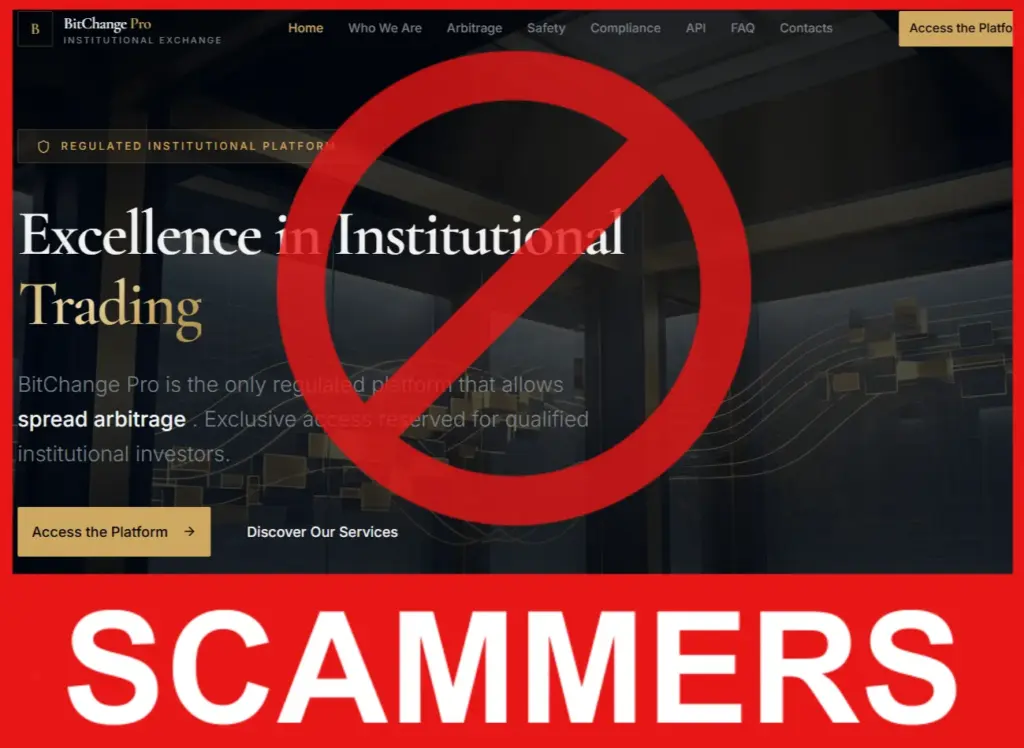
Information About the Fraudulent Broker
At first glance, BitChange Pro presents itself as a modern and capable trading platform. The website usually emphasizes accessibility, fast onboarding, and the potential for high returns. It may claim to provide access to multiple markets, including forex and cryptocurrencies, while offering personalized support through so-called account managers. The structure is familiar. A new user signs up quickly, deposits a relatively small amount, and is guided through their first trades. In many cases, the platform interface shows positive results early on. This initial success creates a sense of trust and confidence. However, the deeper you look, the more questions begin to appear. The platform often lacks clear and verifiable details about who actually operates the company. Instead of solid corporate transparency, users are left with general statements and marketing language. For a financial service handling client funds, this lack of clarity is a serious concern. Another point worth noting is how communication is handled. Rather than relying on formal support channels, users frequently report being contacted directly by individuals who act as advisors. These conversations can feel personal and convincing, but they also create a controlled environment where the client depends heavily on the broker’s guidance.
Verification of Company Data
One of the most important steps in evaluating any broker is verifying its legitimacy through official sources. A reliable financial company typically provides detailed registration information, licensing credentials, and a verifiable physical presence. With platforms like BitChange Pro, this process can be frustrating. The information available on the website may appear complete at first glance, but when checked against official registries, inconsistencies often arise. Sometimes the license mentioned does not exist, belongs to a different company, or comes from a jurisdiction known for minimal oversight. The company’s address can also raise questions. In some cases, it points to locations that are commonly used for virtual offices rather than real operational headquarters. This doesn’t automatically prove wrongdoing, but it significantly reduces credibility. Another detail that deserves attention is the age of the domain. Many high-risk platforms operate under recently registered websites, which allows them to appear, attract clients, and disappear within a relatively short time. A lack of long-term history makes it difficult to assess reliability and track record. When basic verification steps lead to uncertainty instead of clarity, that alone is enough reason to proceed with extreme caution.
Exposing the Broker as a Fraudster
There are certain behavioral patterns that appear repeatedly in complaints about questionable brokers, and BitChange Pro seems to align with many of them. Clients often describe a shift in tone after their initial deposit. What starts as helpful guidance can quickly turn into persistent pressure to invest more money. The justification is usually framed as an opportunity—larger trades, better strategies, or access to exclusive deals. The underlying message is always the same: deposit more to earn more. Another major concern is the handling of withdrawals. While depositing funds is typically simple and fast, withdrawing them can become unexpectedly complicated. Requests may be delayed, ignored, or rejected for unclear reasons. Some users report being asked to pay additional fees or taxes before their withdrawal can be processed, only to find that the money still does not arrive. There are also accounts of sudden account restrictions. Users who question the process or hesitate to deposit more funds may find their access limited or their accounts frozen. At the same time, communication with support becomes less responsive, creating a frustrating and stressful situation. These patterns are not random. They reflect a structure designed to maximize deposits while making withdrawals as difficult as possible.
Fraud Broker’s Deception Scheme
Understanding the typical flow of such operations helps explain why they are so effective. It usually begins with targeted outreach. Potential clients come across advertisements or receive messages highlighting easy profits and low entry barriers. After signing up, they are contacted by a representative who builds rapport and offers assistance. The first phase is about trust. The client deposits a small amount, sees positive results, and feels encouraged. The platform interface supports this impression by displaying profitable trades. The second phase focuses on escalation. The client is persuaded to deposit larger sums, often under the guidance of a dedicated manager. The narrative becomes more ambitious, with promises of higher returns and time-sensitive opportunities. The final phase begins when the client attempts to withdraw funds. This is where problems emerge. New conditions appear, additional payments are requested, or communication breaks down entirely. By this point, the client has already invested significant money and time. This structure is designed to keep the user engaged and optimistic for as long as possible.
How to Get Money Back from a Scam Broker
If someone finds themselves unable to withdraw money from a broker, taking immediate action is essential. The first priority is to stop any further payments. Continuing to send money in hopes of unlocking funds usually leads to greater losses. The next step is gathering evidence. This includes transaction records, email correspondence, chat logs, and screenshots of the trading account. Having a clear record of interactions can be crucial in building a case. Contacting the bank or payment provider is also important. Depending on the method used, there may be options to dispute the transaction or initiate a chargeback. Professional assistance can make a significant difference. Companies like DNB Forex Review specialize in dealing with these situations. Their role is not to promise unrealistic outcomes but to guide clients through the recovery process, help structure claims properly, and interact with financial institutions on the client’s behalf. While no service can guarantee a full recovery, informed and timely action greatly increases the chances of success.
Negative Reviews About the Broker
When looking at user feedback across various platforms, certain themes appear consistently. Many clients describe difficulties with withdrawals as the central issue. Others mention aggressive communication from account managers, especially when it comes to encouraging additional deposits. There are also reports of accounts showing profits that later become inaccessible. In some cases, users claim that once they refused to deposit more money, their account activity changed noticeably or communication stopped altogether. These shared experiences paint a picture that potential clients should take seriously. Even if individual details vary, the overall pattern remains strikingly similar.

Why These Situations Happen More Often Than People Expect
If you look at stories from people who have dealt with questionable brokers, one thing becomes clear very quickly: this doesn’t just happen to careless beginners. It happens to ordinary, thoughtful people—teachers, engineers, small business owners, even those who already have some experience with investing. That’s what makes the whole situation more unsettling. The reason is simple. These platforms are not built randomly. They are designed with a very clear understanding of human behavior. Everything—from the wording on the website to the way managers communicate—is carefully structured to create trust first, and only then gradually introduce risk. It usually starts with timing. Many people begin looking into trading during moments when they want to improve their financial situation. Maybe they’re trying to build savings, deal with rising expenses, or recover from a setback. When they come across a platform that promises a relatively simple path to profit, it naturally feels appealing. Not because they are naive, but because the offer aligns with a real need. Another important factor is presentation. Modern websites can look incredibly professional. Clean design, financial charts, technical language—everything gives the impression of legitimacy. For someone who is not deeply familiar with how regulated brokers operate, it becomes very difficult to distinguish between a well-designed site and a trustworthy company. The visual confidence of the platform fills in the gaps where real verification should happen. Then comes personal interaction, which is often the turning point. Instead of leaving users alone to figure things out, these platforms tend to assign a “manager” or “advisor.” This person communicates directly, sometimes daily, building a relationship that feels supportive rather than transactional. They remember details, ask about goals, and speak in a confident, reassuring tone. Over time, this creates a sense that there is a real professional guiding the process. What makes this especially effective is the gradual escalation. Nobody is asked to deposit a large amount right away. It usually begins with a small, manageable sum. Then the user sees what appears to be positive results. The account shows profits, trades seem successful, and everything looks under control. At this stage, skepticism naturally decreases. The person feels like they made a smart decision. Once that trust is established, the narrative changes slightly. The manager starts talking about bigger opportunities. Maybe the market is “especially favorable,” or there is a limited-time trade that requires a higher investment. The suggestion doesn’t feel like pressure at first—it feels like an opportunity that would be a shame to miss. And because the user already had a positive initial experience, agreeing to deposit more seems reasonable. Another psychological element at play is commitment. When someone has already invested time, attention, and money into something, it becomes harder to step back. Even small doubts are often pushed aside because walking away would mean accepting a potential loss. So instead, people continue, hoping things will improve or return to how they were at the beginning. Fear also plays a role, but in a subtle way. It’s not always fear of losing money—it’s often fear of missing out. When a manager says, “This is a rare opportunity” or “Other clients are already profiting,” it creates a sense of urgency. Decisions are made faster, with less time for careful verification. And then there’s the issue of financial complexity. Trading itself is not simple. Many users don’t fully understand how markets behave, which makes it easier to accept explanations that sound technical or authoritative. If something goes wrong, it can be explained as “market volatility” or “temporary conditions,” and the user may not have enough knowledge to question it immediately. By the time serious problems appear—especially during withdrawal attempts—the person is already deeply involved. They may have invested significant funds, built trust with the manager, and spent weeks or months believing the system works. That’s why the realization often comes late, and why it feels so frustrating. What’s important to understand is that these situations are not the result of a single mistake. They are the outcome of a carefully constructed process that unfolds step by step. Each stage feels reasonable on its own, but together they lead the person into a difficult position. This is also why awareness matters so much. When people understand how these dynamics work, they are more likely to pause at the right moment, ask the right questions, and verify information independently. It doesn’t require deep financial expertise—just a willingness to slow down and not rely solely on what the platform or its representatives are saying. In the end, the reason these cases are so common is not because people are careless. It’s because the system they are interacting with is designed to guide them in a specific direction. Recognizing that design is the first step toward avoiding it.
Conclusion
BitChange Pro raises several concerns that should not be ignored. From unclear company information to reported withdrawal issues, the warning signs follow a pattern that is well known in the industry. Anyone considering working with such a platform should take the time to verify every detail independently. Transparency, regulation, and a clear track record are not optional—they are essential. For those who have already encountered problems, acting quickly is key. Document everything, avoid further payments, and seek professional guidance. DNB Forex Review offers support for individuals facing these challenges, helping them navigate a difficult situation with more clarity and structure. In the end, the most valuable tool any trader has is not a strategy or a platform—it’s the ability to recognize when something doesn’t feel right and respond before the situation gets worse.








I was not able to withdraw my money from BitChange Pro. After some research, I found information that made me question this company. I am now searching for assistance because I do not want to lose my investment completely. I have all payment details and communication records if they are needed.
Our specialists will contact you after you submit a request on the website.
I think BitChange Pro took my money. I invested after seeing their offers, but now I cannot access my funds. I tried contacting their support several times but did not get a useful answer. Can someone explain how the recovery process works and what I should do first?
Submit a request to receive professional assistance and a consultation.