




Modern financial markets have opened up extraordinary opportunities for people around the world. With just a computer or a phone, anyone can access trading platforms and try to grow their money. This democratization of investment has helped millions. At the same time, it has also given rise to a new breed of fraudsters. These operators present themselves as legitimate brokers, promising easy profits, streamlined trading, and fast withdrawals, but in reality they set traps that steal money from unsuspecting clients. Easy Stocks is one such example. What appears on the surface to be a trading platform is, in reality, a dangerous illusion built to attract deposits and then frustrate any attempt at withdrawal. This review aims to shed light on the realities behind Easy Stocks and similar operations. People looking for a safe environment to invest their hard‑earned savings deserve honest information. When a broker hides its legal status, makes unrealistic income promises, and uses pressure tactics to extract funds, that is a sign that something is deeply wrong. Instead of glossing over technical jargon, this article will explain in clear language what Easy Stocks is, why many experts view it as fraudulent, what warning signs it displays, and how those who have lost money can seek recovery. The focus throughout is on the human experience — the confusion, the frustration, the questions that arise when promises turn into losses. When someone hears “fraudulent broker,” the natural reaction is disbelief. What does that label really mean? In this context it means a service that presents itself as a regulated financial intermediary, but in practice has no real authorization, no transparent track record, no verifiable credentials, and no legitimate mechanism for client protections. Such operations often rely on polished websites and continuous marketing to disguise their true nature. Understanding how these schemes operate and how to recognize them is key to avoiding financial harm.
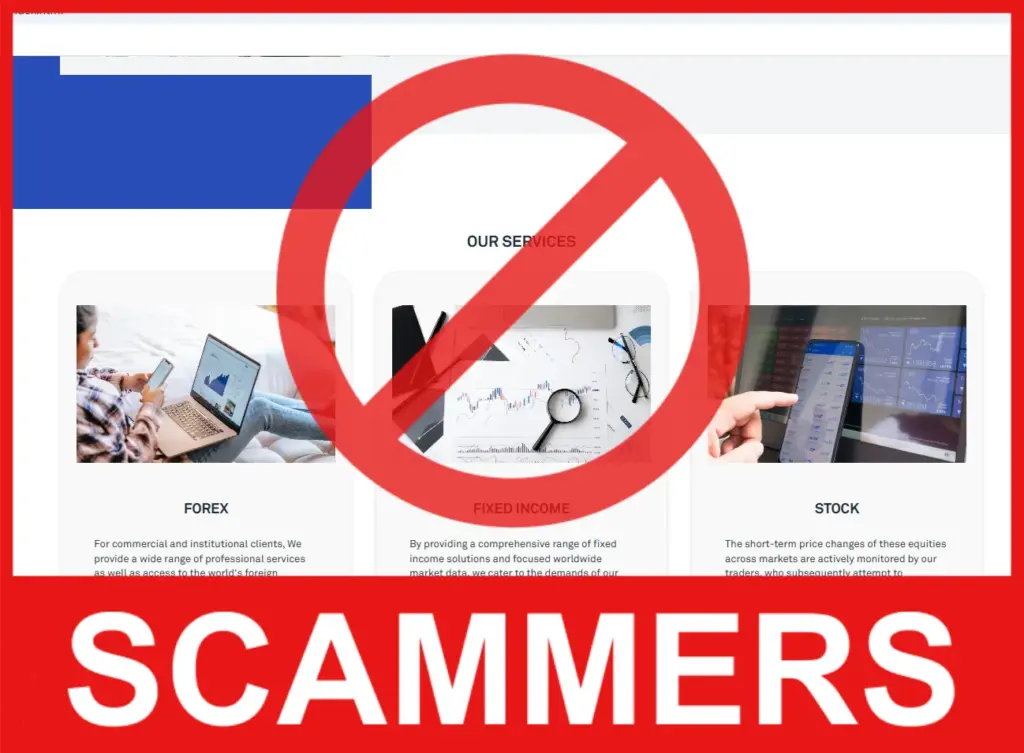
Information About the Fraudulent Broker
So what exactly is Easy Stocks? At first glance it is presented like any other online trading platform. The site suggests access to currency and stock markets, flashy charts, and the potential to grow your account quickly. On closer inspection, however, this picture begins to unravel. There is no solid indication that the operation is backed by any recognized financial authority. The site provides very little in the way of concrete company details. There is no clear legal name that can be matched to official registries, no physical business address publicly traceable to a real financial institution, and no documentation of accountability to regulatory bodies that oversee legitimate brokers. Many of the claims made on the site tend to be vague. Rather than reference specific licenses, they refer to “our global team” or “industry partnerships” without naming them. The contact details consist of generic email addresses and telephone numbers, but minimal information that can help identify who actually runs the business. For anyone who has attempted to research the company online, another red flag emerges: independent analytical resources that evaluate the trustworthiness of websites give Easy Stocks very low scores. These systems look at factors like transparency of ownership, domain age, patterns of complaints, and legal compliance. When a trading service scores poorly in these areas, it is typically seen as high‑risk. Another troubling aspect is the age of the domain. An established broker would usually have years of market presence, documentation of past activity, and a history that can be traced back over time. Easy Stocks, by contrast, appears to be newly created and operating without an established track record. This increases the likelihood that its primary purpose is not to provide a reliable trading service, but rather to gather deposits from individuals and then make it difficult or impossible to withdraw funds. As a whole, Easy Stocks embodies features common to dubious brokerage offers. It is worth repeating that just because an interface looks professional does not mean the underlying business is legitimate. The combination of a slick surface with minimal verifiable substance is a hallmark of fraud in this industry.
Verification of Company Data
One of the first steps any potential investor should take before entrusting money to a financial intermediary is to verify its credentials. A legitimate broker will proudly display its licensing information, often including the exact name of the regulatory authority, license number, and a way to verify the license in an official registry. These details are not decorative: they are proof that the broker operates under rules designed to protect clients. Such protections might include segregation of client funds, independent audits, dispute resolution mechanisms, and minimum capital requirements. Without these safeguards, there is nothing to stop the broker from misusing client deposits. In the case of Easy Stocks, none of this verifiable information is available. There is no public record demonstrating that the company is recognized by financial regulators in key jurisdictions. The names and addresses used on the website do not match entries from official licensing authorities. Instead of transparent disclosures, the site offers language that sounds reassuring but does not withstand scrutiny. Terms like “regulated environments” and “compliance teams” may appear, but without citations to actual authority records they offer no real proof. This absence of licensing has very real consequences. When a broker is regulated, clients have avenues for recourse if there is a problem — complaints can be filed with the regulator, and in many cases arbitration or compensation schemes exist to address misconduct. If a broker is unregulated or falsely claims association with a regulator, these protections evaporate. Clients are left without any official body to turn to, which is exactly the situation many who signed up with Easy Stocks have found themselves in. Attempts to verify the company behind Easy Stocks often lead down dead ends. There may be a name listed that does not correspond to any active business in official corporate databases. Contact information may lead to email accounts that are quickly abandoned once complaints start to mount. This is a common tactic in these fraudulent operations: set up just enough surface detail to appear legitimate, and once people begin to ask tough questions, disappear or change the facade. In the absence of verifiable credentials, the safest assumption is that Easy Stocks is operating outside of accepted financial regulations, and therefore presents a substantial risk to anyone depositing funds.
Exposing the Broker as a Fraudster
It is important to be specific about what makes Easy Stocks suspect, beyond simply noting the lack of official licensing. There are patterns of behavior and structural choices that align with fraudulent intent. In virtually every confirmed case of broker fraud, the website or service in question shares several of the following traits: lack of transparency, pressure selling tactics, obstacles to withdrawing funds, inconsistent or fabricated documentation, and a high volume of unresolved complaints from clients. Easy Stocks exhibits many of these characteristics. For instance, the material provided to new users often emphasizes potential returns and positive outcomes, while glossing over the real risks of trading. The language is structured to boost confidence without offering detailed explanations of how profits are generated or what costs and fees might be involved. In legitimate trading environments, brokers are required to clearly disclose risks and fees upfront. The omission of these details is not accidental; it is designed to encourage deposits without full understanding. Another significant issue relates to how Easy Stocks handles client interaction after funds are deposited. Many reports indicate that once a user has transferred money into the account, contact from “account managers” becomes frequent and insistent, with suggestions to increase investment, activate additional paid services, or agree to high‑risk strategies. This type of pressure is not typical of reputable brokers, who should provide unbiased guidance rather than high‑pressure sales tactics. Perhaps most concerning are the accounts from individuals who have attempted to withdraw funds. In legitimate operations, requests for withdrawal are processed according to transparent timelines and straightforward procedures. With Easy Stocks, the experience has been very different. Many users report being given excuse after excuse, additional requirements that were not previously disclosed, and finally outright denial of access to their own funds. When a broker creates unnecessary obstacles to withdrawing money, it is a clear indicator that the system is engineered to trap deposits rather than support genuine trading.
Fraud Broker’s Deception Scheme
The way Easy Stocks and similar schemes operate can be described as a series of psychological and financial nudges that gradually pull a person deeper into commitment. It often begins with targeted advertising or outreach aimed at individuals who have shown interest in finance, investment, or income‑earning opportunities. The initial message is framed around opportunity and potential, not risk. This attracts people who are curious or hopeful about improving their financial situation. Once initial contact is made, the tone changes to something more personal. A representative, often termed a “financial advisor” or “account consultant,” reaches out. They are friendly, attentive, and determined to build trust. In many cases, victims describe feeling flattered by the attention and convinced that they are being given a special chance. The advisor will then walk the prospective client through the process of opening an account, which usually includes depositing a first sum. Here lies a crucial transition point. After the deposit is made, the behavior of the system changes. The account may show fake or inflated gains, creating a sense of apparent success. The advisor uses these unreal gains to encourage larger transfers, suggesting that greater capital means greater profit potential. This tactic is designed to escalate investment before the client realizes something is wrong. Eventually, when the victim attempts to withdraw any portion of their funds — whether profit or principal — the obstacles begin to multiply. Requests are met with demands for additional verification, fees that were never mentioned before, or unfounded tax charges. Each new requirement complicates the process and pushes the withdrawal further out of reach. In some cases the representatives simply stop responding. By the time the client understands that their money is gone, the entity behind Easy Stocks has often vanished or changed names. This deceptive structure is not unique to Easy Stocks; it is a blueprint used by fraudulent brokers across the internet. The goal is not to facilitate trading, but to extract as much money as possible from clients before cutting off communication.
How to Get Money Back from a Scam Broker
If you have invested funds through Easy Stocks and are struggling to recover them, it is important to know that you are not without options. Although the situation may feel hopeless, there are professionals who specialize in assisting people in exactly this position. These specialists understand the tactics used by scam brokers and have experience working with financial institutions, legal avenues, and chargeback mechanisms that can significantly improve the chances of recovery. The first and perhaps most critical step is to stop any further deposits and avoid engaging with representatives who push for more money or more services. Continuing to send funds only deepens vulnerability. Instead, gather all documentation related to your interactions with Easy Stocks. This includes screenshots, emails, messages, account records, transaction histories, and any written communication. The clearer the timeline you can provide, the easier it is for recovery experts to evaluate the case. Once documentation is assembled, a skilled consultant can begin analyzing your situation. They will look for signs that the broker breached legal obligations, misrepresented facts, or operated without required authorization. Armed with this analysis, they can approach your bank or payment provider to request a reversal of charges or a refund. In many cases, financial institutions will work with clients to reclaim funds when there is evidence of fraud or misrepresentation. Beyond transaction reversal, specialists may also explore other routes such as submitting formal complaints to regulators, engaging legal counsel to initiate civil action, or working with agencies that track and pursue financial fraud. These processes can take time, and there is no guarantee of full recovery, but the support of experienced professionals greatly improves the likelihood of a favorable outcome compared to trying to navigate the situation alone. Above all, the most important thing for victims to know is that they do not have to accept loss as inevitable. With the right help and a clear understanding of the next steps, it is possible to fight back and reclaim what was taken.
Negative Reviews About the Broker
One of the most revealing indicators of Easy Stocks’ true nature comes not from its promotional materials, but from the stories shared by individuals who have interacted with the platform. Across various online forums, social media discussions, and complaint boards, a consistent pattern of grievances emerges. Many people report that their initial experience seemed promising. They were welcomed enthusiastically, given tutorials, and encouraged to deposit funds. Some even saw their accounts reflected as profitable in the early stages, which built trust and prompted larger deposits. However, once they began to request withdrawals, the experience changed dramatically. Users describe being told they needed to pay unexpected “fees” or “taxes” before any funds could be released. These fees were often substantial and were presented as unavoidable despite never being mentioned upfront. In other cases, clients were asked to provide extensive documentation repeatedly, sometimes with impossible requirements, as a delaying tactic. Some clients were left waiting for weeks or months for a response that never came. Frustration and anger are common in these accounts. People who saved money for years, or who transferred funds believing they were investing wisely, found themselves blocked at every turn. Support contacts that initially responded promptly became unresponsive. Hotlines went silent. Emails bounced back. In many instances, the only thing that remained consistent was the increasing sense that the platform had no intention of allowing anyone to make a withdrawal. These firsthand accounts form a sobering picture. They are not isolated anecdotes but rather a chorus of similar experiences from individuals in different countries and backgrounds. While no single complaint proves fraud on its own, the volume and similarity of these reports point strongly toward systemic issues rather than random misunderstandings. Reading these stories, it becomes clear that victims feel frustrated not just by financial loss, but by the sense of betrayal. They expected a legitimate financial service and instead encountered tactics designed to trap their money and evade accountability.

The Hidden Costs of Bad Decisions – Understanding the Larger Impact
Beyond the direct financial loss, falling victim to a broker like Easy Stocks can have deeper psychological and personal consequences. People do not simply lose numbers on a screen; they lose trust in institutions, confidence in their own judgment, and often a sense of security. For many, the money invested was earmarked for important life goals — education, homeownership, family support, retirement planning. When that capital disappears into a fraudulent operation, the emotional toll can be significant. Furthermore, victims often find themselves reluctant to share their experience, out of embarrassment or fear of judgment. This silence can allow fraudulent schemes to persist unchallenged. By talking openly about these experiences and documenting them, victims not only help their own recovery process, but also warn others. When information about these scams circulates, it increases awareness and equips others with the knowledge to recognize warning signs earlier. It is also important to understand that the responsibility for fraud lies with those who perpetrate it, not the victims who were misled. Scammers deliberately create environments that mimic legitimacy, using professional designs, friendly communication, and sophisticated messaging to deceive. Recognizing this helps shift the perception from self‑blame to understanding that the fault lies with the fraudulent actors. Taking steps to educate yourself about investment risks and recognizing the red flags of illegitimate brokers can be empowering. Awareness fosters resilience, and communities built around shared knowledge become stronger and less vulnerable to manipulation.
Conclusion
The story of Easy Stocks is not unique, but it is representative of a widespread and harmful trend in the financial world. Fraudulent brokers create shiny facades, conceal their true nature, and rely on the hopes and trust of ordinary people. The lack of licensing, the pressure to invest more funds, and the barriers to withdrawing money all point to a pattern that cannot be ignored. For anyone who has engaged with Easy Stocks, the most important takeaway is that you are not alone, and it is not too late to act. Recovering funds and holding deceptive brokers to account is complex, but it is not impossible. Specialists who understand the mechanisms of financial fraud can guide you through the process, articulate your case to banks and payment processors, and explore legal avenues on your behalf. Remember that legitimate investing should be transparent, regulated, and accompanied by clear risk disclosures. If any of these elements are missing, that is a reason to be cautious, not hopeful. When reckless brokers take advantage of trust and naivety, the consequences can extend far beyond financial loss. But with the right support, knowledge, and a community of shared experience, it is possible to reclaim what was lost and to protect yourself from future harm. You deserve clarity, fairness, and respect in your financial endeavors. Seeking professional assistance is not a sign of defeat, but a proactive step toward justice and financial recovery.







Easy Stocks caused me a lot of stress. I invested money after speaking with their representatives, who promised good results. Later, when I tried to take my money out, they stopped giving clear answers. I feel that I was misled and I want to know if there is any way to get my money back. I am searching for people who had the same problem and for advice on what steps to take next.
If this company has defrauded you, submit a request, and one of our specialists will contact you for a free consultation!