




In the world of online trading, the promise of financial freedom draws thousands of people every day. Forex and CFD markets are exciting, fast‑moving, and full of opportunities — but that very excitement also attracts fraudsters. One such name that has appeared increasingly in warnings and complaints from traders is Fastone Markets. This is a broker that presents itself as a gateway to global markets, seemingly friendly and professional, but for many traders it has become a source of stress, loss, and confusion. This review exists to bring clarity to what Fastone Markets really is, how it operates in practice, the evidence showing it to be unreliable, and what victims of its practices should know. Rather than hearing only marketing language or glowing promises, you deserve a clear picture: the good, the bad, and the dangerous. We will explore who Fastone Markets claims to be, how their representation stands up to scrutiny, what reports and signals indicate about their legitimacy, and what that means for anyone who has entrusted them with hard‑earned money. If you or someone you know is looking at a broker like this for the first time, this article will help you evaluate it critically. And if you are already stuck with a loss, the final sections will speak directly to what can — and should — be done.
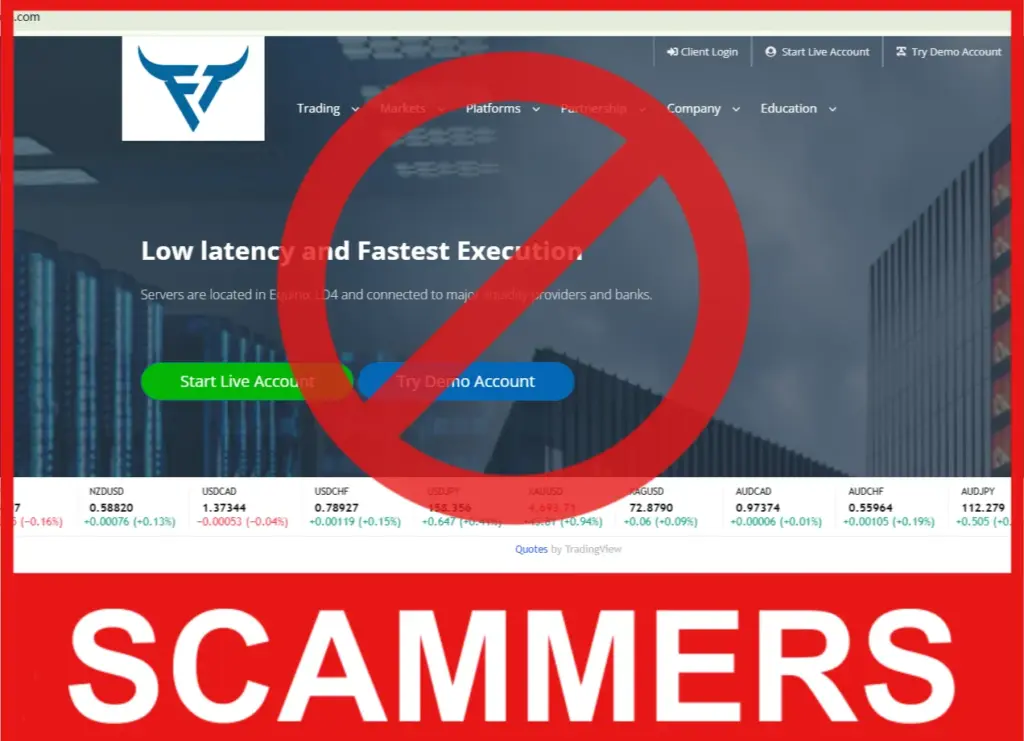
Information About the Fraudulent Broker
Fastone Markets markets itself online as a broker offering forex and contracts‑for‑difference trading to traders around the world. On the surface, the website looks modern, complete with information about instruments, platforms, and customer support. They present services such as access to popular trading software and a range of account options. For many people unfamiliar with the industry, that kind of presentation can look and feel legitimate. However, as soon as one begins to dig deeper into the broker’s background, key issues emerge. Most importantly, Fastone Markets does not have verifiable registration with recognized financial authorities. No credible financial regulator in the major markets — such as those in Europe, the United States, the United Kingdom, or Australia — oversees this broker. Brokers that offer actual trading services to customers generally must hold licenses that require them to follow strict rules around client protection, transparency, and fund management. Fastone Markets, in contrast, simply advertises itself as “registered” in an offshore location, which is not the same as being licensed or regulated. Being registered in a small island jurisdiction without real oversight does not ensure that your funds are protected, nor does it provide recourse if the broker engages in unfair practices. In addition, available information suggests that there is very little clarity about who actually owns or operates Fastone Markets. Legitimate brokers clearly disclose corporate history, leadership teams, and registered offices. In the case of Fastone, such basic details are missing or impossible to verify independently. That lack of transparency is not just unprofessional — it is a hallmark of brokers that are attempting to build trust without offering the accountability that true brokers must provide. Another concern lies in the way Fastone may interact with traders once an account is opened. Many complain about the difficulty of withdrawing funds, delays in customer support responses, and a feeling that the company is evasive rather than supportive when issues arise. These kinds of complaints are not definitive proof by themselves, but when combined with the lack of supervision and opaque corporate information, they paint a compelling picture of a broker that is more interested in taking money than safeguarding investor interests.
Verification of Company Data
When assessing whether an online broker is trustworthy, the first step must always be verifying the company’s data — its licenses, its regulatory status, its physical location, and its corporate history. In regulated markets, brokers must disclose official license numbers, submit to audits, and include clear contact information. These are not minor details; they exist precisely to protect people from fraud and misuse of their money. With Fastone Markets, multiple sources that track broker credentials find a critical lack of credible licensing. Fastone Markets does not appear in the databases of major authorities like the Financial Conduct Authority in the UK, the Securities and Exchange Commission in the United States, or the Australian Securities and Investments Commission. Instead, what is presented on the website is a vague claim of being “registered” in a small offshore center. A registration alone, without acknowledged regulation, does not confer the ability to provide financial services legally, especially to international clients. This kind of offshore registration often functions purely on paper and does not impose real standards or investor protection mechanisms. Moreover, there is little verifiable information about the ownership of Fastone Markets. Company names, email addresses, and phone numbers are provided on the website, but none of these are backed up by independent verification from regulatory databases or formal corporate filings. There is no publicly accessible corporate history that shows when the company was founded, who founded it, or what its leadership structure looks like. That level of opacity is uncommon in reputable brokers and raises obvious concerns. Usually, a regulated broker will disclose not just its license number but also links to the regulatory authority where that number can be verified. Fastone Markets does not do this. Instead, it uses generic language about being “authorized” or “compliant,” which cannot be checked against any official registry. There are no annual reports, no audited financial statements, and no risk disclosures required by regulators. This means that traders have no way to confirm whether their funds are segregated from company assets, whether the broker keeps adequate capital reserves, or whether it would survive a financial downturn. In addition, the existence of a corporate address in an offshore jurisdiction without further substantiation is insufficient. Many fraudulent brokers list addresses that are simply mail forwarding services or office buildings where many unrelated companies are also registered. Without verification, such addresses do not offer confidence that the broker operates anywhere near where it claims to.
Exposing the Broker as a Fraudster
To understand why Fastone Markets is widely considered unreliable and potentially fraudulent, it helps to look at the patterns and behavior that distinguish a legitimate broker from one that is dangerous. In regulated financial industries, brokers are subject to rules that require fairness, honesty, transparency, and protection of customer interests. When these rules are absent, it becomes far easier for unscrupulous platforms to engage in harmful practices. One of the clearest signs that Fastone Markets operates unfairly is the way it positions itself without credible confirmation of oversight. Legitimate brokers cannot legally offer trading services to clients without a license from a recognized regulatory body. That license obligates them to segregate client funds in secured accounts, maintain minimum capital requirements, and submit to regular audits. Fastone Markets simply does not meet these standards and instead offers impressions of trustworthiness using design and marketing language that can be misleading. Another troubling sign comes from technology: the trading platforms themselves can be manipulated in ways that are not typical in legitimate environments. In known scams, brokers may slow down execution, widen spreads unexpectedly, or create conditions where profitable trades cannot be closed. While we cannot confirm direct manipulation by Fastone Markets without internal data, the types of complaints reported by users — such as difficulty withdrawing funds — are consistent with brokers that do not treat customer assets with respect and transparency. Customer support behavior also reveals much about a broker’s integrity. In regulated environments, support teams are trained to help resolve issues with documentation, provide clear explanations of fees and trading conditions, and assist with rapid withdrawal processing. In contrast, many traders who interact with platforms like Fastone Markets report that support becomes evasive when financial issues arise, particularly when requests to withdraw funds are made. Slow responses, requests for additional documentation that never seems to end, and shifting explanations are all common features in fraudulent broker interactions. Additionally, promises of unusually high profits or guaranteed returns are considered red flags in the financial world. No legitimate broker guarantees profits because markets are inherently uncertain. Brokers have an obligation to disclose clear risk warnings and ensure that clients understand the potential for loss. Fastone Markets’ marketing language around income potential, without sufficient risk context or regulatory backing, fits the pattern of brokers that prioritize recruitment over responsible trading.
Fraud Broker’s Deception Scheme
Understanding the deception schemes employed by fraudulent brokers is essential for anyone considering online trading or already affected by such practices. Brokers that operate without oversight often use psychological and operational tactics that sound appealing to investors but are designed to trap them. The first part of the deception is often in the marketing. Fastone Markets, like many unregulated brokers, uses slick design, professional language, and promises of easy access to global markets to attract potential clients. They may highlight features such as widely‑used trading platforms, a range of financial instruments, and helpful support. For a new trader, this can feel reassuring because it looks similar to how legitimate brokers present themselves. Once a trader signs up and makes an initial deposit, the second stage of the deception begins. At this point, the broker may encourage further deposits by showing simulations of profit or providing bonuses that come with strict conditions that make withdrawal nearly impossible. The appearance of profit on an account can be a powerful motivator, especially for traders who are new or not experienced enough to distinguish real market gains from figures that are being artificially displayed. A crucial trap in deception schemes lies in the withdrawal process. While deposits may be straightforward, withdrawals often trigger a series of obstacles. The broker may ask for additional verification documents that seem reasonable at first but then escalate requests endlessly. They might introduce unexpected “compliance fees,” “tax requirements,” or special conditions that must be met before funds can be released. Because the broker is not held accountable by a regulator, these conditions can be arbitrary and serve only to delay or block withdrawal. Another aspect of the scheme is aggressive sales follow‑ups. Once a trader has funds in their account, they might receive frequent contact from account managers or representatives urging them to invest more or to trade more frequently. These communications may emphasize fear of missing out on gains, playing on emotions to push traders deeper into funding their accounts. As frustration grows over withdrawal difficulties and lack of transparent responses, many victims feel trapped. Some may even resort to trading more in an attempt to unlock bonuses or recoup losses, not realizing that the system is designed so that access to their own money becomes progressively harder. In rare cases, the broker may disappear entirely once it has collected enough funds from multiple clients.
How to Get Money Back from a Scam Broker
If you have already deposited funds with Fastone Markets and are experiencing problems getting your money back, you are not alone. Many traders find themselves in a similar situation with unregulated brokers. Although the situation can be frustrating, there are paths to pursue recovery, and understanding them can make a significant difference in outcomes. The first step is to stop further trading with the broker and preserve all evidence of your interactions. Screenshots of your account, records of deposits, copies of correspondence with the broker, and any other documentation that shows transactions are critically important. Even if at first these seem insignificant, they become the foundation for any recovery effort. One of the most effective ways to pursue funds recovery is to work with specialists who understand how broker fraud cases unfold. Firms that specialize in recovery do not rely on hope or pressure; they build a case using identifiable evidence, payment records, and knowledge of financial networks. They know which financial institutions to communicate with, how to present evidence to banks or payment processors, and how to navigate chargeback processes when possible. For example, if deposits were made by credit card or bank transfer, there may be an opportunity to request a chargeback. A chargeback is a direct request to the bank or card issuer to reverse a transaction due to fraud. This is not guaranteed in every case, but working with experts who know how to present the case increases the odds of success. In other cases, when payments were made by electronic payment systems or cryptocurrencies, there may be different mechanisms available, depending on jurisdiction and service policies. Importantly, a specialist team knows how to distinguish between genuine recovery opportunities and deceptive “recovery scams.” There are many companies that pose as helpers but demand upfront fees without any real capacity to recover funds. A credible recovery expert will explain the process, be transparent about fees, and not require payment before work begins. Another avenue is to report the broker to local authorities and consumer protection agencies. While these organizations may not have jurisdiction over an offshore broker, having an official report can help build pressure and create a record that can be used in claims. In some jurisdictions, authorities cooperate internationally when there are multiple complaints against the same fraudulent entity.
Negative Reviews About the Broker
When traders share negative feedback about brokers like Fastone Markets, a pattern often emerges that tells a story beyond simple dissatisfaction. Many traders start with optimism, attracted by promises of professional service, powerful trading platforms, and potential profits. However, what they often experience are delayed responses, opaque processes, and accounts that are much harder to close than they were to open. One of the most consistent themes in negative reviews is difficulty with withdrawals. Traders report that when they try to withdraw funds — even after fulfilling what they thought were all requirements — the broker introduces unexpected demands. These additional requirements are often framed as mandatory compliance checks or special fees, but they are never clearly explained and do not appear in the original terms when the account was opened. Another common complaint is slow or non‑responsive customer support. Traders say that once an issue affects their money — such as a withdrawal request — the response from support teams becomes evasive. Initial responses may be polite and fast, but continued follow‑ups reveal delays, unclear answers, all‑day holds on messages, and a general unwillingness to resolve problems meaningfully. Many reviewers also mention aggressive follow‑ups after deposit. Once an initial deposit is made, traders report frequent contact from account representatives urging them to invest more. These communications focus on pushing profits and minimizing perceived risk, rather than helping the trader understand market realities. When profits fail to materialize or when losses occur, those same representatives become less communicative and less helpful. Some reviews highlight that profit figures displayed on the trading platform did not reflect what traders eventually saw when they asked to withdraw. This discrepancy can indicate that the numbers shown in the interface were not actual market trades but simulated balances designed to keep traders engaged. While bona fide brokers always warn that profit is not guaranteed, fraudulent platforms may show unrealistic or inflated figures to give a false sense of success.

Unexpected Insight: Why Regulation Matters More Than You Think
One of the key lessons from examining brokers like Fastone Markets is the vital role that regulation plays in protecting traders. Too often, people focus only on surface features like available platforms or the attractiveness of spreads, without giving equal weight to whether the broker is supervised by a respected authority. Regulation is not just a badge on a website; it represents real oversight. Brokers that are licensed must follow rules about protecting client funds, ensuring segregation of those funds from the broker’s own operating capital, maintaining sufficient reserve capital, and submitting to regular audits. Regulated brokers are also obligated to offer transparent terms, clear risk warnings, and official dispute resolution mechanisms. All of these protections are designed to make sure that when you deposit money with a broker, you are not left without recourse if something goes wrong. In contrast, unregulated brokers like Fastone Markets operate outside the reach of these safeguards. They can set their own terms, change conditions without notice, and refuse withdrawal requests without fear of regulatory consequences. This means traders are left vulnerable to arbitrary decisions by the broker. The absence of reliable licensing also makes it hard to verify basic claims about office locations, ownership, and operational standards — all of which should be straightforward for a legitimate financial services provider.
Conclusion
Fastone Markets serves as a textbook example of the risks that can accompany online trading when due diligence is overlooked. While the promise of profits and professional features can be enticing, the absence of verifiable regulation, lack of transparent corporate data, repeated negative experiences shared by traders, and patterns of behavior consistent with unfair practices all point toward a broker that should be approached with extreme caution. If you opened an account and deposited funds with Fastone Markets, you are not powerless. There are concrete steps you can take to pursue recovery, but awareness is the first step. Recognize that what you are dealing with is not a regulated investment firm that operates under consumer protection laws. Instead, you are dealing with an entity that functions outside those legal frameworks, placing your money at risk. Working with knowledgeable recovery specialists can significantly improve your chances of getting some or all of your funds back. These professionals have experience with payment disputes, chargebacks, legal claims, and negotiation strategies that ordinary traders simply do not have. Most importantly, they understand how fraudulent brokers attempt to hide their tracks and how to counter those tactics effectively. Your experience matters. Losses from fraudulent brokers are real, and they can be devastating. But with the right approach, support, and understanding of how these schemes work, you can fight back. The financial world may have its risks, but informed decisions, critical evaluation of broker legitimacy, and professional help when needed can make all the difference between becoming a victim and recovering what is rightfully yours.







I was convinced by Fastone Markets representatives to make a deposit, but now I cannot access my money. They promised that withdrawals would be easy, but this was not my experience. I am looking for help with recovering my funds and want to understand if other clients managed to solve similar problems.
Our specialists will contact you after you submit a request on the website.