




Nowadays, people are increasingly looking for ways to earn money: investments, brokers, trading on financial markets. It is on this desire to earn that so-called “investment” or “trading” platforms are built, which in reality turn out to be scams. Philippos Asset Management (hereinafter — “Philippos” or “PAM”) is one such platform: at first glance, attractive with a colorful website and promises, but behind the facade — a trap.
In this article, we will thoroughly examine who is behind Philippos, what data they provide, what raises strong suspicions, what schemes they operate under, what reviews exist from victims, and most importantly — how to act if you have fallen victim. Remember: the sooner you react, the higher the chances of recovering your funds. And DNB Forex Review can help you with this.

Information about the scam broker, overview
Philippos Asset Management presents itself as a “management company” or “trading platform,” offering access to markets: forex, stocks, commodities, cryptocurrencies.
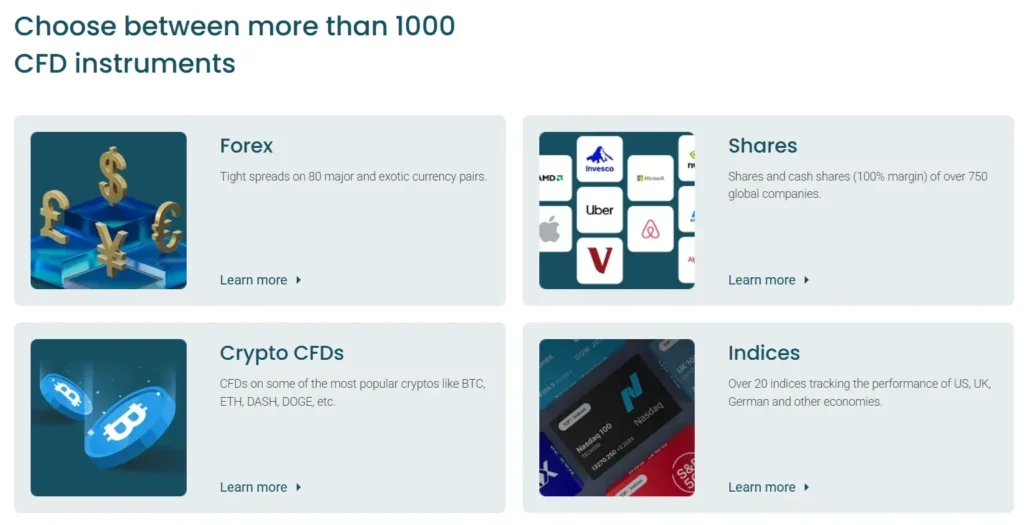
On the website phasset.net, it mentions “premium” and “VIP” accounts, personal managers, supposedly “verified” strategies, and high-yield investments.
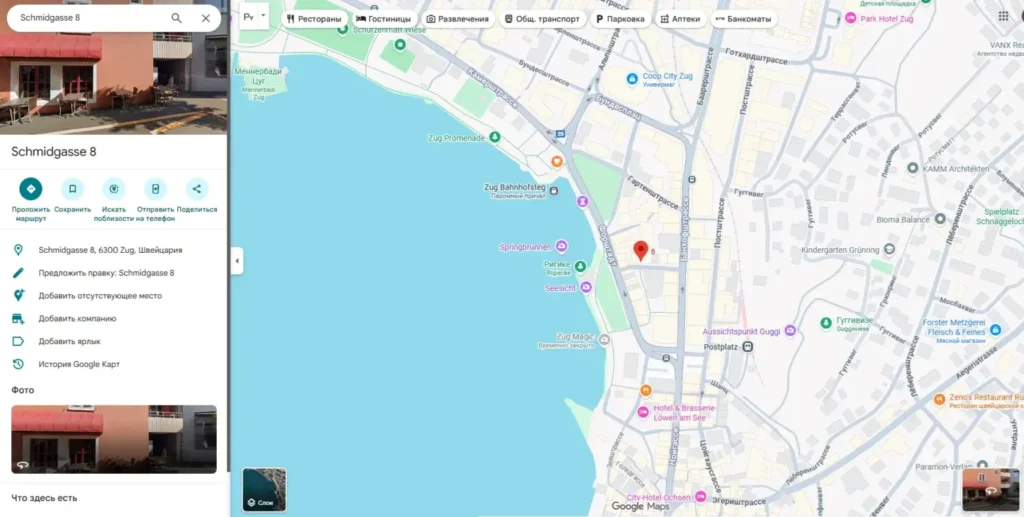
However, upon closer inspection, many alarming details appear. Firstly, the platform is extremely young: as ScamAdviser shows, the domain phasset.net was registered on September 22, 2025. Secondly, the contact details and registration are suspicious: the address listed is “Schmidgasse 8, 6300 Zug, Switzerland” and the phone number +41 77 925 3283.
But there is no real information about licensing or the regulatory authority. WikiFX immediately issues a warning: “No valid regulatory information, please be aware of the risk!” The mention of the company “Philippos Asset Management AG” creates the illusion of Swiss registration, but there are no verified documents. On forums, it is written that the site is actively promoted as a “reliable” and “premium” broker, but in reality, it is a trap. On Trustpilot, the company profile shows a rating of around 4.0–4.2 stars, but only a few reviews (5–8) exist, and there are suspicions that they come from “returned” or incentivized users.
It is important to understand that scams often hide behind a beautiful facade — promises of fixed income, “expert managers,” a platform with charts. Philippos uses exactly this approach. The site mentions “tools,” “professional support,” “working in global markets.” But these promises are not backed by real data.
From the overall review, it is clear: we are not dealing with just an ambiguous company, but a project with numerous warning signs. Next, we will look at how exactly they operate and why.
Company data verification
When you encounter a broker like Philippos, the most crucial step is to verify official data: registration, license, regulatory authority, management details, reporting. In the case of Philippos, the situation looks as follows:
As mentioned, the domain was registered recently — 22.09.2025. Such a “young” presence on the market already raises suspicion, especially for a company promising large investments and asset management.
On license and regulation verification services, information is absent or negative. WikiFX emphasizes: “No valid regulatory information, please be aware of the risk!” That is, Philippos is not listed as a regulated broker on known platforms.
There is an official warning from the Bank of Russia, which identifies Philippos Asset Management as a party showing signs of illegal activity in the securities market. This means that one of the national regulators has detected that the company exhibits fraudulent behavior.
WHOIS data and registration are hidden through a “GDPR Masked” service. According to ScamAdviser reports, the owner is concealed, the address is listed as “Devon, UK” with masking. This is a typical approach of many scammers: minimal transparency, making it impossible to verify the real owner.
ScamAdviser also notes that the website is hosted on a server with “a high number of other spam/scam sites,” which reduces trust.
In conclusion: Philippos does not provide reliable regulatory data, conceals its owner, operates through a domain with little history — all of which should immediately raise red flags. For an investor, this means: no official protection, no guarantee that the company operates honestly.
Exposing the scam broker
Now that we have analyzed the data and seen the gaps, let’s talk about how exactly Philippos behaves as a scam: by what signs you can recognize that this is not just a “risky broker,” but most likely a fraud.
Promise of high returns. The Philippos website claims that investments yield high returns, with “premium” accounts and personal managers. This is a classic scam element: promising quick and easy profits without corresponding risk. A legitimate broker warns about risks and never guarantees profits.
Lack of license and regulation. As noted above, Philippos has no verified license. A legal broker must publish information about its regulator, liability limits, withdrawal conditions. Here — a fail.
Persistent managers and pressure. According to victims’ reviews, users register, then are contacted by “managers,” offered to quickly “activate” the account, increase the deposit, and promised bonuses. After depositing money, the pressure begins.
Requests for additional payments before withdrawal. Scammers often allow seeing profits after depositing but, when trying to withdraw, demand a fee, tax, insurance, or block the account. On forums, victims write: “Then they started asking for a ‘verification fee’… my account was deleted.”
Withdrawal block, disappearance of managers, silence upon inquiries. Victims complain that after depositing, managers stop contacting them, support ignores them, and the site may stop responding.
Site as a showcase: great attention to design and promises, but minimal verifiable facts. ScamAdviser notes: “High potential risk financial services detected.”
Use of multiple domains and similar addresses. The Bank of Russia warning lists domains phasset.net, user.privateaccall.net, wt.phasset.org. This is typical: scammers switch domains to avoid sanctions or complaints.
All these signs together allow us to conclude: Philippos is not just an unreliable broker but a typical fraudulent project built according to a common scheme: lure, convince, take money, complicate withdrawals, disappear.
Scam scheme of the broker
Here is how the scenario with Philippos typically unfolds:
You see an advertisement or invitation: “invest with us,” “management company,” “professional traders,” “VIP accounts.” You register on phasset.net or its analogs.
After registration, a “manager” contacts you, often friendly, presenting a profitable opportunity: just deposit, and profits will start to grow. Trust is built: charts, reports, profit promises.
You deposit money. Possibly a small initial deposit “to try.” Everything looks normal: the balance grows, profits appear. This is all to build trust.
After increasing the amount or attempting withdrawal, they start “working” on you: demanding commission, tax, insurance, or “activation fee” to withdraw. The manager convinces you: “First, pay a little, then you can take everything.”
You make additional payments. The profit may continue to grow on-screen, but real money cannot be withdrawn. The manager may disappear, support ignores you, the site may stop working, or withdrawals are blocked. One victim on a forum wrote: “After depositing $1,200, they convinced me to deposit another $500 to withdraw profits. Then my account was blocked, and the manager disappeared.”
Next, they either demand more money (“to withdraw, you must pay X”) or simply block access, making the balance inaccessible. In the worst case, client data remains with scammers, and additional pressure may follow.
The entire scheme relies on psychology: initial small “success,” then pressure, need to pay more, and eventual impossibility of withdrawal. Scammers win because the user voluntarily transfers money and only later realizes they have been tricked.
In Philippos’ case, the scheme works exactly like this: young site, big promises, no license, positive reviews few in number, forum complaints about withdrawal impossibility.
Notably: as soon as an investor tries to withdraw money or even just ask where it is going — excuses begin, demands for new payments, hidden conditions. This is a classic trick. A real regulated broker provides transparent terms; you never pay just to withdraw earned funds. Here — the opposite.
For you as an investor, if you notice the first steps of such a scheme — for example, a manager aggressively pushing for more investment, being told to pay first before withdrawal — these are warning signs.
How to recover money from a scam broker
If you or your acquaintances have fallen victim to Philippos — do not despair, but act quickly and systematically. Here, DNB Forex Review plays a key role, specializing in recovering funds from scammers. A step-by-step approach might look like this:
Collect and document all evidence. Save screenshots of chats with managers, website pages, payment statements, bank/crypto transactions, date and time, account name, domain, details, any transactions. The more evidence — the better.
Stop further transfers. Once you suspect fraud — do not send more money. Important: the fewer funds with the scammer, the higher the chance to recover at least some.
Submit a request to DNB Forex Review. The company analyzes your case, evaluates recovery prospects: checks how money went, through which channels, whether legal action is possible.
Legal support. DNB Forex Review may assist in drafting claims to payment systems, banks used for transfers, possibly submitting complaints to regulators, arbitration, or court procedures.
Work with international channels. Scammers often operate through offshore accounts, quickly close websites, or change domains. Quick action is critical. DNB Forex Review helps navigate jurisdictions where the scammer is registered or where transactions passed.
Communication with other victims. Sometimes, joining efforts strengthens the position. DNB Forex Review may offer a platform for coordination, experience exchange, joint appeals to authorities.
Monitoring and responding. After submitting your case, track progress: is there movement in recovery, what steps are taken, which channels are used. DNB Forex Review helps keep the case on track.
Understand: full recovery is not always possible — scammers often quickly move money, use crypto, complex structures. But chances are higher if you act quickly and professionally. The longer you wait, the higher the risk that traces disappear, accounts close, and evidence is lost.
DNB Forex Review offers initial consultations, helps build a plan, provides legal support. Waiting and hoping that “it will be withdrawn soon” usually leads to greater losses. Immediate action is key.
Negative reviews of the broker
Reviews are among the clearest indicators of how a company actually operates, especially from real people. For Philippos, reviews are mixed — positive and complaints — and complaints are particularly worrying.
On the forum “Brokers-Scammers – Blacklist,” one admin wrote:
“Philippos Asset Management … is another pseudo-investment project … users lose money and face complete lack of support after depositing.”
When comparing positive reviews with real complaints — the difference is obvious: negative cases (withdrawal impossibility, disappearing manager, extra payment demands) are far more concrete. Positive reviews are often vague. This is a classic tactic: publish a few enticing reviews to drown out victims’ voices.
Reviews alone are not the only source, but combined with data verification and behavior patterns, they strengthen suspicions and help create a complete picture of the scammer. If you find victim stories where people could not withdraw money — as in the examples above — this is a warning sign.

What to do before registration and how not to fall into the trap
It is crucial to take steps before registering on a site and depositing money. This helps not only respond to scams but prevent them.
Check license and regulation. Visit your country’s regulator website or international regulators — see if the broker is listed. If not or data is hidden — warning. Philippos has no license.
See how long the company has been on the market. The younger, the riskier. Philippos registered just in 2025.
Check domains and addresses. Multiple domains, redirects, WHOIS masking — bad signs. Philippos has alternate domains noted in the Bank of Russia warning.
Withdrawal terms. A legitimate broker will not require payment “just to withdraw” or force more deposits to access money. If such conditions exist — stay away.
Read real reviews. Look beyond 5-star Trustpilot reviews: forums, groups, independent victim feedback. Often, forums show scammers’ repeated patterns.
Start small and attempt withdrawal. If you decide to try, deposit minimal amount, trade, and try to withdraw immediately. If obstacles appear — close the account, do not increase investment.
Do not believe “guaranteed” profits. Real trading involves risk. Promises of 10% weekly or easy income — almost always scams.
Use reliable payment methods and keep evidence. Transfers to unknown offshore accounts, cryptocurrencies — complicate recovery. Record names, dates, amounts.
If an investor had followed even some of these steps before interacting with Philippos — they could have either refused or noticed warning signs earlier and avoided losses. Scammers rely on people not checking and asking questions.
Conclusion
What have we learned? Philippos Asset Management is an extremely dubious platform: newly registered domain, no license, signs of a typical scam, numerous victim complaints, warning from the Bank of Russia. All this indicates that this is not a reliable broker, but a project designed to take money from trusting people.
If you have fallen victim — do not think all is lost. The sooner you contact DNB Forex Review, the higher your chances of recovering funds. The key is to act: gather evidence, stop transfers, seek help. Waiting and hoping “it will be withdrawn” — usually leads to bigger losses.
You do not need to be a financial expert to recognize a scam: simply ask — is there a license? Can I withdraw without extra payments? What are real reviews? If serious doubts arise — better not risk it.
The Philippos case shows: even if a site looks beautiful and impressive, the face can be deceptive. Remember: your money is your future. Do not hand it over to scammers. If it has already happened — contact DNB Forex Review. Professional assistance, legal support, and a clear plan of action can help regain control.
Take care of yourself and your finances — and remember: it is better to spend a little time checking than to lose a significant amount later.






After I contacted DNB Forex Review about Philippos, I was guided through collecting evidence and submitting a request. It’s not a miracle fix — but I feel more in control, and they really helped me start the process of getting some of my money back.
Thanks for sharing, Sophia. You’re doing the right thing by building a strong documentation trail. Stay in close contact with your legal team and don’t agree to further payments to the scammer.
I lost over $5,000 after trusting Philippos Asset Management — they pushed me to deposit more, then blocked my withdrawal and went silent. Reading this DNB review gives me hope. I’m ready to act and gather all my transaction records now.
Hi Ethan, that’s a sensible first step. Make sure to save all chats, bank statements and any emails. The sooner you submit your details, the stronger your case for recovery becomes.