




Anyone who has ever been interested in online investments knows: the financial market is full of tempting offers. Beautiful promises of quick profits, professional platforms, bright interfaces – all this creates the impression of a reliable broker. But behind this facade, sometimes there are scammers ready to take money from trusting clients.
Union Trust Paid is a vivid example of such a trap. At first glance, the platform looks like a modern broker: a convenient website, promises of high returns, fast withdrawals. However, behind this gloss lies fraud, the impossibility of withdrawing money, and empty promises of customer support. If you have come across this site or have already invested money, it is important to understand what you are dealing with and how to protect your finances.
In this review, we will examine the activities of Union Trust Paid, point out the signs of fraud, show the scam schemes, and explain how to recover your money with the help of DNB Forex Review specialists.

Information about the scam broker
Union Trust Paid positions itself as an international broker with modern trading conditions. The website provides information about various investment plans, promised returns, and trading in cryptocurrencies as well as traditional assets like stocks and currency pairs.
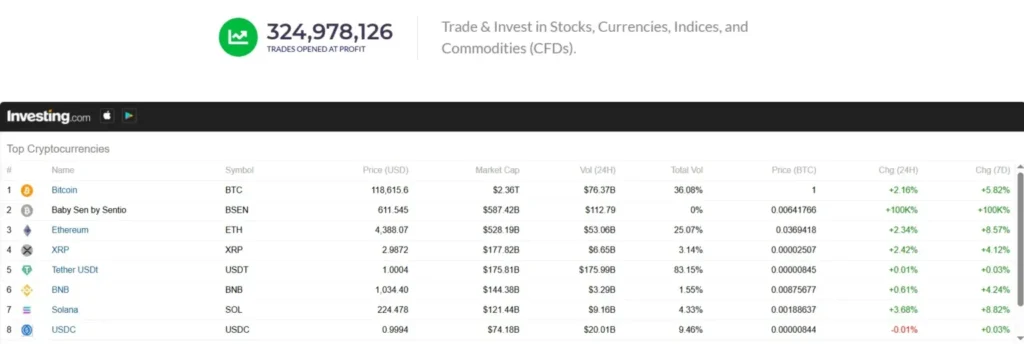
The site looks attractive: there are charts, simulated trading, and reviews from “satisfied clients.”
However, behind the presentation lies reality: the broker does not provide real trading services. The website is the only channel of interaction, there is no license or verified registration, contacts often lead to virtual messengers, and the staff are hidden behind pseudonyms. Clients attempting to withdraw money encounter constant excuses: “additional verification required,” “you need to top up your account,” “transaction delayed.” Ultimately, withdrawing funds is impossible.
Moreover, Union Trust Paid actively uses psychological manipulation: creating urgency (“offer ends in 24 hours”), encouraging large deposits, promising bonuses for adding more money.
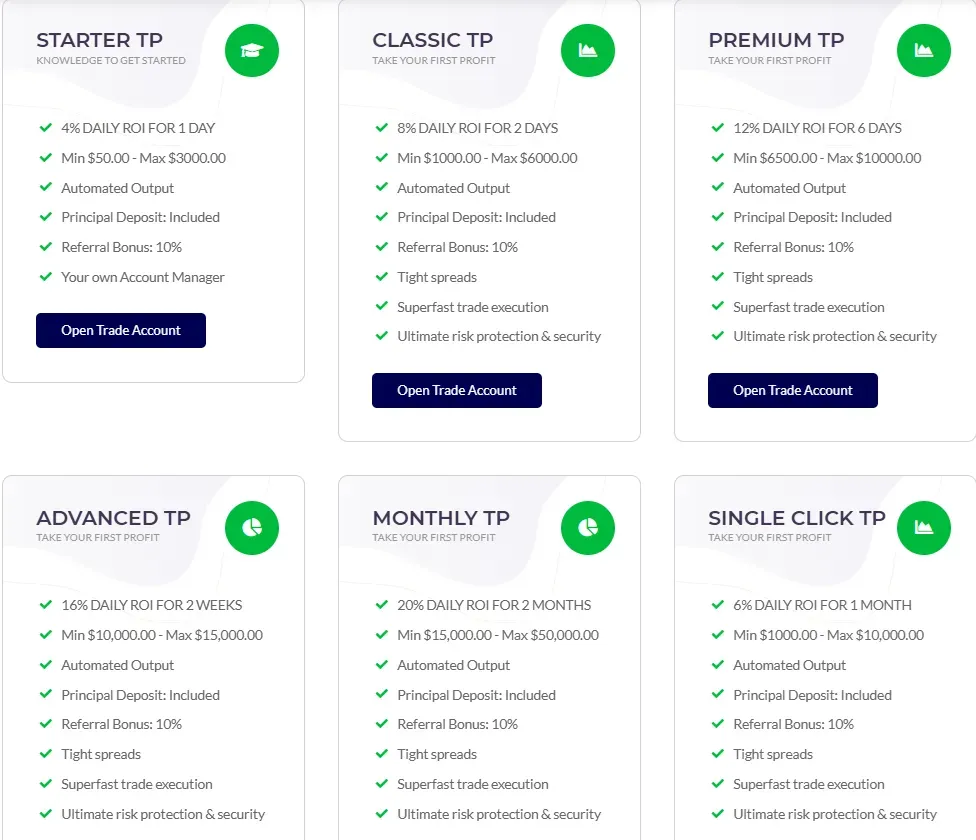
All this is typical behavior of financial pyramids aimed at extracting money from trusting users.
From an investor’s perspective, this is not a broker in the usual sense. There are no real trading operations; money goes directly to scammers, and support contacts exist only to persuade clients to invest more. Any experienced trader would immediately recognize the signs of a dishonest project.
Company data verification
The Union Trust Paid website lists certain registration details, location, and contact information, but verification shows them to be completely false. For example, it claims an office in Europe and registration in an offshore zone, but no documents confirm real activity. No known financial authority or regulator recognizes Union Trust Paid.
Domain checks show that the website was recently registered with private data and without a transparent history. This is characteristic of scammers: using new domains and hiding ownership information helps remain anonymous and avoid responsibility.
Furthermore, Union Trust Paid has no international financial licenses (CySEC, FCA, ASIC, etc.). This means the company is not required to comply with investor protection rules, reporting, or financial transparency. Any claims of “regulation” or “deposit insurance” are false.
Even external checks such as reviews and forums show one thing: the broker operates solely to profit from clients, with no lawful activity or regulatory oversight. In reality, it is a typical financial pyramid disguised as a broker.
Exposing the scam broker
The signs of fraud at Union Trust Paid are obvious. First, promises of high returns without risk. Any legitimate broker never guarantees profit, especially at such levels. Second, lack of licenses and regulation, hidden contact details, and anonymous managers. Third, the impossibility of withdrawing funds: a classic scheme where money is deposited but cannot be recovered later.
Attention should also be paid to psychological pressure. Clients are pushed to make quick decisions: “unique offer,” “your deposit will grow only if you top up again.” The entire process is designed to affect emotions rather than ensure safe investing.
Union Trust Paid actively blocks users’ attempts to retrieve their money. When a client requests a withdrawal, various reasons for delays are invented, new documents are demanded, or additional deposits requested. This is a typical “additional funnel” that turns withdrawal into an endless process, effectively denying access to funds.
Fake certificates and awards on the site also deserve mention. They create an illusion of reliability but are merely images with no legal value. This is another method to convince clients the platform is trustworthy, while in reality it is a trap.
Scam broker scheme
The operation of Union Trust Paid follows several simple but effective steps:
Attracting the client with a flashy presentation. The site has many charts, information on returns, and “successful traders.” This targets beginners who do not know how to check licenses and regulators.
Initial deposit. The client deposits money, believing in promised profits. Immediately, a personal manager is assigned to persuade them to invest more.
Creating the illusion of profit. The platform shows account growth, sometimes allowing small withdrawals to build trust.
Blocking large withdrawals. As soon as the client attempts to withdraw a significant amount, problems begin: new documents are requested, “new rules” appear, or another deposit is demanded.
Delays and pressure. All attempts to withdraw money are accompanied by psychological pressure: promises of bonuses, threats of losing the deposit, constant emails and calls.
Final loss of deposit. Eventually, the client loses almost all funds, and scammers continue seeking new victims.
The scheme works simply: the more a person trusts, the more they lose, and recovering money without professional help is almost impossible.
How to recover money from the scam broker
If you have already fallen victim to Union Trust Paid, don’t panic. It is important to act systematically and contact professionals. DNB Forex Review specialists handle precisely these cases.
The first step is collecting evidence: correspondence with the broker, deposit receipts, platform screenshots. These materials are necessary for legal assessment and filing complaints.
Next, DNB Forex Review specialists conduct legal analysis and develop a strategy to recover funds. This may include:
Official complaints to regulatory authorities;
Working with banks and payment systems to return funds;
Cooperation with legal authorities in countries where the broker is registered;
Media influence and pressure on scammers through social and informational channels.
It is important to understand that attempts to recover money independently often lead to further losses. Scammers use psychological tricks, delays, and false conditions to extract even more money. Therefore, professional help from DNB Forex Review is critically important.
Negative reviews about the broker
Victims’ reviews confirm: Union Trust Paid is a scam. People report that:
Withdrawals are impossible despite promises;
Personal managers actively push additional deposits;
Accounts “grow” only on virtual charts, with no real trading;
The website blocks access or introduces new rules when attempting to withdraw funds;
No license or legal protection exists.
Some victims note that the broker acts especially aggressively with beginners: pressure through calls, emails, promises of bonuses and guarantees. Many lose tens of thousands of dollars without realizing the platform has no real financial activity.
All reviews show a common pattern: initially, the client may see small profits or withdraw minor sums to build trust, but then access to significant funds is completely blocked. This is a classic financial trap.

Hidden pitfalls to be aware of
In addition to standard scam schemes, Union Trust Paid uses several other “hidden traps”:
Fake licenses and certificates. The site displays icons and certificates creating an impression of regulation, but they have no legal power.
Pressure through social networks and messengers. Managers contact via WhatsApp, Telegram, social media, creating the illusion of personal care, but the goal is to make the client deposit more money.
Fake reviews and cases. Stories of “successful investors” are posted on the site but cannot be verified. Pure marketing trick to build trust.
Hidden fees and conditions. Even if money is partially withdrawn, hidden “fees,” “taxes,” and “charges” appear, requiring new deposits.
Knowing these pitfalls, investors can more quickly recognize danger and avoid unnecessary losses.
Conclusion
Union Trust Paid is a typical scam broker disguised as an investment platform. Attractive interface, promises of high returns, and active pressure on clients are all elements of a trap designed to extract money from trusting users.
If you have encountered this broker and lost funds, you need to act quickly and professionally. DNB Forex Review specialists help collect evidence, assess the situation, develop a recovery strategy, and minimize losses. Attempts to recover funds independently often fail.
The main rule: do not trust platforms without licenses and transparent regulators. Verification, common sense, and timely contact with DNB Forex Review experts will help not only recover your money but also avoid further risks.
Remember: financial literacy and caution are the best ways to protect your money, and professional help from DNB Forex Review is your chance to get back what scammers tried to steal.






I found out too late that Union Trust Paid had no proper license or real trading operations. After I asked to withdraw, they demanded “extra verification” and then blocked me. I wish I’d checked earlier.
That’s a common trap — many fraudulent brokers rely on fake promises and pressure. Hopefully sharing your story helps others avoid the same mistake.
I lost a significant amount after trusting Union Trust Paid. They promised high returns and showed me “profits,” but as soon as I requested withdrawal — everything stopped. I’m now looking for legal help to try and recover my funds.
I’m really sorry to hear about your experience. You’re making the right move seeking legal support — collecting all evidence (screenshots, transaction records) is a good first step.