




In today’s world, investments and online trading may seem like simple ways to grow capital. Unfortunately, many people encounter scammers in this market. One such questionable participant is the broker Xeshash. The company presents itself as a modern, reliable platform for trading financial instruments. At first glance, their website looks professional: bright design, promises of high profits, and “successful” client reviews. But behind this attractive facade lies a very different reality.
An examination of Xeshash’s activities shows that this broker does not have licenses to operate with financial instruments in most countries, including Russia and the EU. It attracts clients with promises of huge profits in a short time, manipulates users’ emotions, and actively obstructs withdrawals. People lose not only money but also trust in financial platforms as a whole.
Exposing Xeshash is important for anyone considering investing. To protect your funds and avoid fraud, it is essential to understand how such companies operate, how they act, and where to seek help.

- Information about the scam broker: Xeshash activity review
- Company data check: what Xeshash hides
- Exposing the scam broker: signs of fraud
- Scam broker scheme
- How to recover funds from a scam broker
- Negative reviews about the broker
- Additional information: psychological traps and persuasion methods
- Conclusion: why you should contact DNB Forex Review
Information about the scam broker: Xeshash activity review
Xeshash positions itself as a modern investment platform offering a wide range of instruments: currency pairs, cryptocurrencies, stocks, and commodities. The broker’s website claims that the company uses innovative technologies and provides “guaranteed profits” through professional trading algorithms.
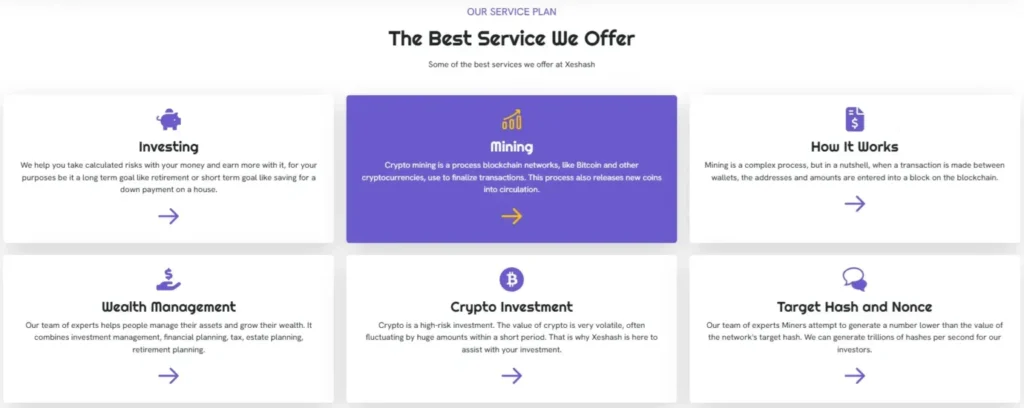
However, a closer look reveals that promises of “guaranteed income” should immediately raise concerns. Any legitimate investment company warns about risks, which Xeshash does not.
Online, there are almost no mentions of Xeshash as a licensed company. Instead of transparent information about its legal entity, regulators, and real offices, users see only promises, marketing texts, and employee photos that appear to be taken from stock images. Clients are invited to open an account with a minimal deposit and start trading immediately.
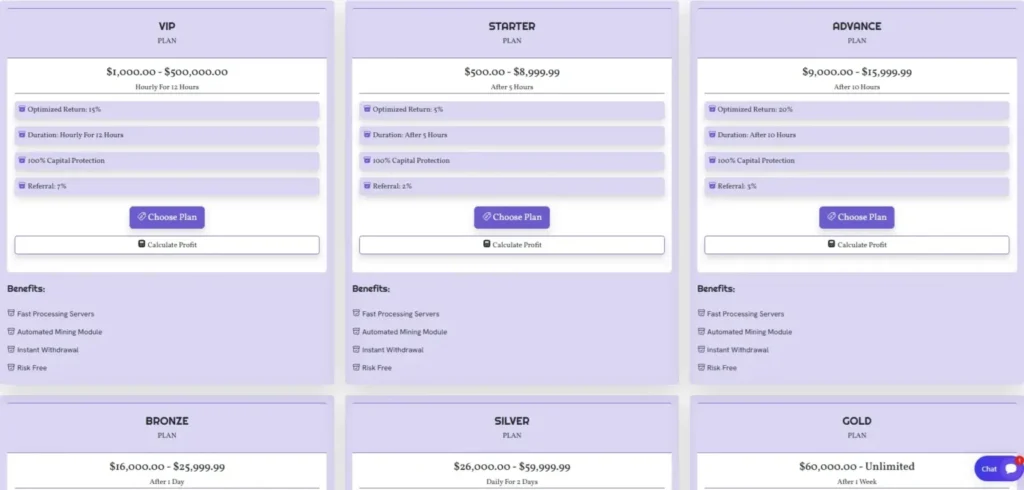
At this stage, people most often become victims: Xeshash employees actively encourage investing more, promising high profits, conducting emotional consultations, and calling multiple times a day to persuade additional deposits.
Another red flag is the website structure: the absence of detailed information about the company and terms of operation, as well as strange items like “guaranteed income” and “exclusive strategies” that cannot be verified. All this indicates that Xeshash is a typical scam broker, focused on holding clients’ money rather than honest trading.
Company data check: what Xeshash hides
Any serious broker provides transparent information about itself: licenses, company registration, regulatory authorities, and client fund protection policies. Xeshash does not provide reliable licensing information. The website lists some registration numbers and legal addresses, but they are either fake or lead to offshore zones with low oversight. Real verification of these data in open sources does not exist.
Attempts to find Xeshash in financial regulator registries, such as the FCA (UK), CySEC (Cyprus), or ASIC (Australia), yield no results. This means the company operates completely unregulated. Lack of a license automatically makes the company illegal for client operations in most countries.
Moreover, reviews about the company on forums and social networks confirm that legal documents offered by Xeshash are often fake. For example, clients are sent agreements claiming they can withdraw funds anytime, but in reality, accounts are blocked immediately after a withdrawal attempt.
These facts indicate that Xeshash deliberately hides real legal data to avoid responsibility. Anyone encountering such signs should understand that the company cannot be trusted.
Exposing the scam broker: signs of fraud
The exposure of Xeshash as a scam broker is based on several key indicators common to most dishonest brokers:
Promises of high profits without risk. Xeshash claims you are guaranteed to earn, even as a beginner. All investments carry risks, and a legitimate company always warns about them.
Inability to withdraw funds independently. When a client tries to withdraw money, “technical problems,” “data verification,” or “fees” requiring additional deposits appear.
Aggressive communication and psychological pressure. Xeshash managers call clients multiple times a day, push for new deposits, promise “missed profits,” and threaten the loss of bonuses if the client refuses.
Fake documents and licenses. Any license check is not confirmed by official regulators.
Pseudo-unique trading strategies. Xeshash positions its algorithms as “exclusive,” but they do not generate any profit and are used only as a marketing tactic.
All these signs indicate the company operates solely to hold clients’ funds rather than conduct honest trading.
Scam broker scheme
The Xeshash scam scheme is typical for modern fraudulent brokers, with some specifics:
Attracting clients via advertising and social media. Potential investors are drawn with promises of easy profits, bright banners, and fake “successful client” reviews.
Building trust and opening an account. After registration, clients access a personal account showing fake charts and “profit growth.” They are assigned a personal manager who constantly communicates with them.
Emotional manipulation. Managers persuade clients to deposit additional funds using psychological methods: fear of missing out, promises of “special conditions,” and pressure of “only today.”
Blocking and denying withdrawals. When a client attempts withdrawal, “technical difficulties,” “document errors,” or requests for extra payments appear. Funds are effectively stolen.
Complete disappearance or ignoring the client. Once the money is on the platform, managers stop responding, and the company may entirely close access to the account.
This scheme is designed to extract as much money as possible from the client and is fully controlled by scammers.
How to recover funds from a scam broker
If you have dealt with Xeshash and lost funds, don’t despair. With the help of DNB Forex Review, there is a real possibility of recovering your money.
The process starts with evaluating the situation: collecting all documents, correspondence with the broker, and payment data. Then DNB Forex Review specialists analyze the scam scheme, identify legal mechanisms for fund recovery, and interact with banks, payment systems, and regulators.
Often, scammers do not hide all transaction data, and experienced DNB Forex Review lawyers can use this to the client’s advantage. Besides legal measures, negotiations with payment providers may be used to reverse transactions, as well as international mechanisms for fund recovery.
Key point: do not try to solve the problem alone, especially if you have already lost significant sums. Professional help increases the chances of recovering funds and avoiding repeated fraud.
Negative reviews about the broker
Online, there are numerous complaints about Xeshash. Victimized clients describe the scam scheme almost identically: they first see account growth, interact with “personal managers,” receive investment advice, and face emotional pressure. As soon as the client tries to withdraw funds, “technical problems” appear, or additional payments are requested to “unlock the account.”
Reviews indicate that managers call daily, push deposits, and promise bonuses and high income. People lose thousands of dollars with no support. Forum users note that the website looks solid, but there is no real trading, and charts and profit data are fake.
All negative reviews have one thing in common: Xeshash is a scam broker that profits solely from client deposits without offering any real earning potential.

Additional information: psychological traps and persuasion methods
One of the most important aspects of Xeshash’s operation is psychological pressure on clients. Scammers use persuasion techniques that are hard for beginners to recognize. For example, they create a sense of urgency: “If you don’t invest now, you will miss out,” or “Exclusive strategy works only today.”
Managers build trust by showing “successful trades” and “account growth,” creating an illusion of safety and professionalism. Clients start believing their money is actually increasing. This makes the scam more effective: people deposit more, thinking they are in control.
Understanding these methods helps potential investors recognize scammers and avoid falling into their traps. If profit promises are not backed by transparent documents and real licenses, it is a danger signal.
Conclusion: why you should contact DNB Forex Review
Xeshash is a classic example of a scam broker that uses fake documentation, emotional pressure, inability to withdraw funds, and misleading profit promises to hold clients’ money. Anyone dealing with such a company risks losing significant sums.
Contacting DNB Forex Review is a chance to recover your funds and prevent further fraud. Professional lawyers conduct detailed analyses, use international fund recovery mechanisms, and coordinate with payment systems and banks.
Remember: the sooner you seek help, the higher the chances of recovering lost funds. Do not rely on scammers’ promises — it is crucial to act professionally and purposefully. With DNB Forex Review, restoring justice becomes possible even if the money seems irretrievably lost.







I was initially skeptical about Xeshash, but their professional website and convincing representatives won me over. After depositing funds, I was unable to access my account. Attempts to contact them were futile. I now realize I was deceived and am seeking assistance to recover my investment.
Specialists will contact you after you leave a request on the website.
I invested a significant amount with Xeshash after they promised high returns. Initially, everything seemed fine, but when I tried to withdraw my funds, I encountered numerous obstacles. They claimed I needed to meet certain trading volumes, which was impossible. After weeks of trying to contact them, I realized I had been scammed. I need help recovering my money.
Specialists will contact you after you leave a request on the website.