




The online trading industry continues to attract thousands of people who hope to improve their financial situation through investments and cryptocurrency trading. Alongside legitimate companies, however, the market has become flooded with questionable platforms that imitate professional brokers while operating in a completely different way behind the scenes. Bitwerk.pro is one of those projects that increasingly appears in discussions connected to blocked withdrawals, aggressive managers, suspicious promises, and disappearing client funds. At first glance, the platform creates the image of a modern investment company. The website looks polished, the advertising sounds convincing, and the managers communicate confidently. Many inexperienced traders may believe they are dealing with professionals who genuinely want to help them earn money. Unfortunately, numerous complaints and independent reviews paint a very different picture. People who trusted Bitwerk.pro describe a similar scenario. Everything starts smoothly. Managers behave politely, encourage small deposits, and demonstrate impressive profits inside the account dashboard. Clients feel excited and begin to trust the company. But the moment a person tries to withdraw money, problems suddenly appear. Delays begin, additional payments are requested, and support representatives either disappear or continue demanding more deposits. This review takes a detailed look at the warning signs surrounding Bitwerk.pro, examines how the platform allegedly operates, and explains why many victims eventually seek professional assistance from DNB Forex Review in an attempt to recover their funds.
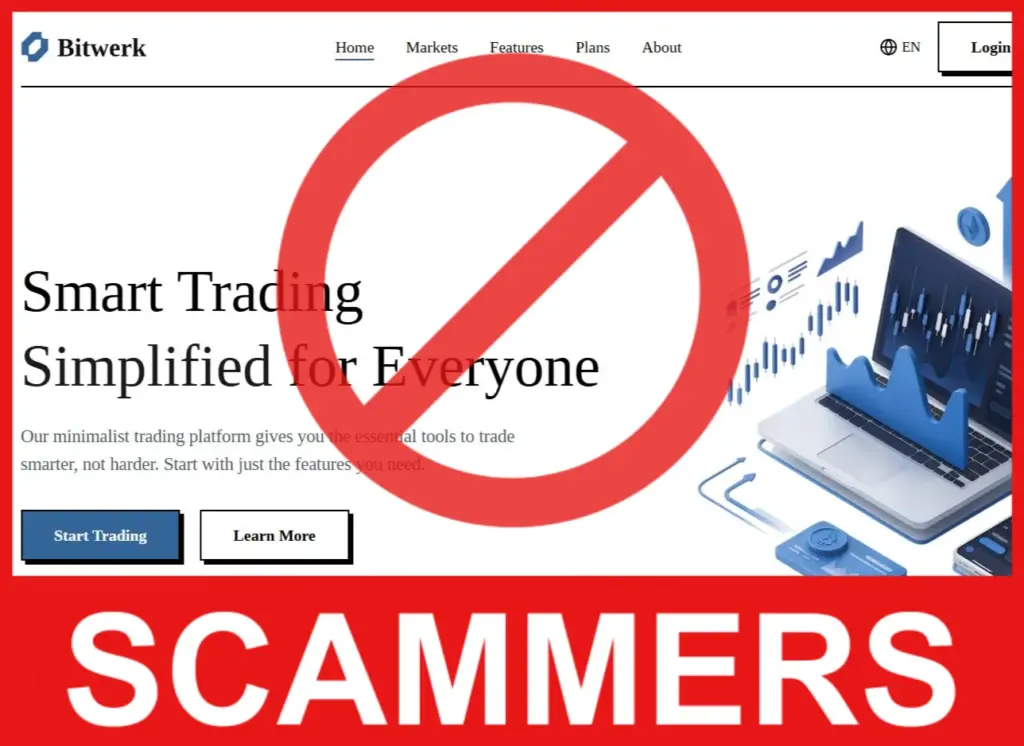
Information About the Fraudulent Broker
Bitwerk.pro presents itself as a brokerage platform that supposedly provides access to financial markets, cryptocurrency trading, and investment opportunities. Like many similar projects, the company tries to create the impression of stability and professionalism. The site mentions trading services, financial tools, and experienced specialists who allegedly help clients achieve consistent profits. The problem begins when potential investors attempt to verify this information more carefully. Reliable brokerage companies usually provide transparent corporate data, official licensing information, details about regulation, and documentation confirming legal activity. In the case of Bitwerk.pro, the amount of verifiable information appears extremely limited. Important company details are vague, incomplete, or difficult to confirm independently. Another suspicious detail concerns the marketing style used by the platform. Victims often report that representatives of the company contact them repeatedly through phone calls, messengers, or social media. The communication is designed to create emotional involvement very quickly. Managers promise profitable opportunities, speak about fast earnings, and insist that the client should not “miss the moment.” Such tactics are commonly associated with fraudulent investment schemes rather than legitimate financial services. A large number of complaints also mention unrealistic promises. According to affected users, company representatives regularly discuss guaranteed profits or “safe investments” with high returns. In real financial markets, nobody can honestly guarantee stable income. Professional brokers always warn clients about risks because trading is unpredictable by nature. Bitwerk.pro also raises concerns due to reports connected with withdrawal problems. Many users claim that while depositing money is easy and fast, withdrawing funds becomes almost impossible. Clients allegedly face endless verification procedures, additional commissions, tax requests, or other unexpected demands that appear only after withdrawal requests are submitted. Some victims report that managers pressure them to invest larger amounts by showing fake profits inside the platform dashboard. The account balance appears to grow rapidly, creating the illusion of successful trading activity. However, when clients attempt to receive their profits, the situation changes immediately. Another alarming issue involves remote access software. Certain complaints mention that platform representatives asked clients to install programs allowing remote control of their devices. This practice is extremely dangerous because scammers may gain access to online banking, passwords, cryptocurrency wallets, and confidential information. The overall structure of the project resembles many online broker scams that have already been exposed in recent years.
Verification of Company Data
One of the first things every investor should check before depositing money is regulation. Financial regulation exists to protect clients from abuse, manipulation, and fraud. Licensed brokers must comply with strict legal standards, maintain transparent operations, and separate client funds from company accounts. In the case of Bitwerk.pro, there are serious concerns regarding transparency and legal reliability. Publicly available information does not clearly confirm regulation from respected financial authorities. This is a major problem because unregulated brokers operate without meaningful oversight. If a client loses money, legal protection may be extremely limited. Another issue concerns the company’s registration details. Legitimate financial institutions usually provide detailed information about their headquarters, legal entity, registration numbers, and executive team. Bitwerk.pro appears to provide very little information that can be independently verified. Analytical reviews discussing the platform also mention inconsistencies regarding the project’s history. Some scam brokers attempt to create the illusion of long-term market experience while their domains or websites have existed for only a short period of time. Such contradictions are considered major warning signs. The lack of transparency becomes even more concerning when combined with user complaints about withdrawal refusals and aggressive pressure from managers. Victims frequently describe situations in which support representatives avoided direct answers to important legal questions. Some users claim that when they asked about regulation or company ownership, they received vague explanations or generic responses that provided no actual clarity. There are also concerns regarding the methods used to process client payments. Fraudulent brokers often rely on complex payment chains involving cryptocurrency wallets, intermediaries, or third-party processors. This makes tracing funds much more difficult once the money disappears. Another troubling detail is the absence of a strong independent reputation. Legitimate international brokers usually have a visible business presence, media mentions, partnerships, industry recognition, and transparent public information. Projects like Bitwerk.pro often exist mainly through aggressive online marketing rather than genuine financial credibility. Potential investors should always remember that a professional-looking website proves absolutely nothing. Modern scam operations can create sophisticated platforms very quickly. Attractive design does not equal legitimacy. The combination of unclear regulation, questionable transparency, and repeated withdrawal complaints creates a very dangerous picture for anyone considering financial cooperation with Bitwerk.pro.
Exposing the Broker as a Fraudster
Fraudulent brokers rely heavily on psychology. Their main goal is not helping clients trade successfully but convincing them to deposit as much money as possible before problems begin. Bitwerk.pro demonstrates many characteristics commonly associated with this type of operation. One of the most obvious warning signs is emotional pressure. Victims regularly describe managers who constantly pushed them toward larger investments. Conversations were reportedly structured in a way that created urgency and fear of missing profitable opportunities. Scammers understand that emotional decisions are faster than rational ones. Another important red flag is the promise of unusually high returns. Real investment companies cannot guarantee profits because financial markets are unpredictable. Fraudulent brokers, however, often present trading as something simple and almost risk-free. This creates a false sense of security. Many complaints also mention manipulative behavior once withdrawal requests are submitted. Suddenly, the same friendly managers who encouraged investments begin introducing obstacles. Clients may hear about taxes, insurance fees, liquidity requirements, or additional verification payments. In reality, legitimate brokers do not demand extra deposits simply to process withdrawals. A particularly suspicious practice reported by some users involves remote device access. If a broker asks to connect to your computer or phone remotely, this should immediately raise serious concerns. Such access may allow scammers to monitor banking activity, collect sensitive information, or even perform unauthorized financial transactions. Another common characteristic of fraudulent brokers is the use of fake account balances. Victims see increasing profits inside the platform dashboard and believe their investments are growing successfully. In many cases, these numbers exist only inside the internal system controlled by the scammers themselves. The purpose is simple: convince the client to continue depositing more money. Some victims also report aggressive communication tactics. Managers allegedly became hostile when clients hesitated to invest further or questioned the withdrawal process. Emotional manipulation is a central tool in investment fraud. The longer victims remain emotionally involved, the longer scammers can continue extracting money. All these warning signs strongly resemble patterns seen in numerous previously exposed broker scams.
Fraud Broker’s Deception Scheme
The structure of online broker fraud is often surprisingly similar from one project to another. Bitwerk.pro appears to follow many elements of this common scenario. The process usually begins through advertising. Potential victims encounter promotions promising financial freedom, cryptocurrency profits, or successful online trading. Advertisements may appear on social media, websites, messaging apps, or even dating platforms. Once a person leaves contact information, company representatives quickly establish communication. The first deposit is usually small. Victims are encouraged to invest a manageable amount in order to “test the platform.” Soon after, the dashboard begins showing profitable trades and account growth. This is where trust starts forming. Managers continue contacting the client regularly, discussing market opportunities and encouraging larger deposits. Some victims claim they were persuaded to invest savings, borrow money, or even take loans. As deposits increase, the psychological pressure becomes stronger. The turning point arrives when the client requests a withdrawal. Instead of receiving money, victims often encounter endless complications. Additional payments are demanded. New verification procedures appear. Managers insist that taxes or commissions must be paid first. The client becomes trapped. At this stage, many victims continue sending money because they hope to recover previous losses. Scammers understand this psychological vulnerability very well. Some users report that support representatives eventually disappeared completely. Phone numbers stopped working, emails remained unanswered, and access to accounts became restricted. The scheme is designed to continue as long as the victim keeps believing that recovery is still possible. This is why fraudulent brokers can steal enormous amounts of money from emotionally manipulated clients.
How to Get Money Back from a Scam Broker
People who become victims of broker fraud often feel panic, shame, and confusion. Many believe there is no possibility of recovering stolen funds. In reality, professional assistance can significantly improve the chances of taking effective action. DNB Forex Review specializes in helping victims of dishonest brokers analyze their situation and explore possible recovery options. The first step usually involves collecting and preserving evidence. Transaction receipts, screenshots, email correspondence, payment confirmations, and chat history may all become extremely important later. Specialists carefully analyze how payments were processed and identify possible transaction routes. In some situations, chargeback procedures may be available for card payments. Success depends on timing, transaction structure, and the quality of evidence provided. Cryptocurrency cases are often more difficult, but blockchain analysis can sometimes help identify wallet activity and payment movement. Another important part of the process is communication with financial institutions and regulatory bodies. Victims frequently feel overwhelmed and uncertain about where to begin. Professional support helps organize complaints properly and avoid mistakes that could reduce recovery chances. DNB Forex Review also helps clients recognize secondary scams. After losing money, many victims become targets again through fake “recovery companies” promising guaranteed refunds for upfront fees. This creates an additional layer of danger. Professional assistance should always involve transparency, realistic expectations, and legal clarity rather than empty promises. The earlier victims seek help, the better the chances of preserving evidence and limiting further damage.
Negative Reviews About the Broker
Online discussions related to Bitwerk.pro reveal a disturbing pattern. Although individual stories differ slightly, many complaints describe remarkably similar experiences. Victims often say that everything looked trustworthy in the beginning. Managers communicated professionally, profits appeared inside the account dashboard, and the platform seemed functional.

The problems started after larger deposits were made.
Withdrawal complaints appear repeatedly in negative reviews. Users describe delayed processing, endless excuses, and sudden requests for additional payments. Some victims claim they were told to pay taxes in advance before funds could be released. Others mention insurance fees, liquidity commissions, or account verification costs. Many affected clients also report aggressive psychological pressure from company representatives. Managers allegedly called repeatedly, insisted on urgent investments, and discouraged clients from withdrawing funds. Another common complaint concerns disappearing communication. Once victims refused to deposit more money, support representatives reportedly stopped responding altogether. Several users also mention feeling manipulated emotionally. Fraudsters often behave like trusted financial advisors, creating the illusion of personal support and partnership. This makes the eventual realization of fraud even more psychologically difficult. The consistency of these complaints significantly increases concerns about the legitimacy of the platform. When dozens of people describe nearly identical scenarios involving blocked withdrawals, pressure tactics, and disappearing support, it becomes difficult to dismiss such reports as isolated misunderstandings. One of the least discussed aspects of online investment fraud is the psychological impact it has on victims. Most people imagine financial scams as simple situations where someone loses money because they were careless or inexperienced. In reality, broker fraud is built on manipulation techniques that are specifically designed to influence emotions, decision-making, and trust. This is exactly why so many intelligent and financially responsible people become victims of platforms like Bitwerk.pro. A large number of affected users do not report the problem immediately. Some stay silent for weeks or even months after realizing something is wrong. The reason is not ignorance. The real reason is emotional pressure and psychological exhaustion. Fraudulent brokers know how to create emotional dependence. At the beginning, managers behave almost like personal mentors. They call regularly, ask about the client’s life, discuss financial goals, and create the illusion of partnership. Victims begin believing that somebody is genuinely helping them succeed financially. This emotional connection becomes a powerful manipulation tool. When the first profits appear inside the account dashboard, the victim experiences excitement and relief. Many people start imagining how the extra money could improve their lives. Some think about paying debts, supporting family members, buying property, or finally achieving financial stability. Scammers deliberately encourage these emotions. The psychological trap becomes deeper when the victim invests more money. Once a person has already deposited significant funds, it becomes emotionally difficult to admit that the entire situation may be fraudulent. Human psychology naturally resists accepting painful truths, especially when large financial losses are involved. This is why many victims continue trusting the broker even after the first warning signs appear. Managers exploit this hesitation aggressively. They reassure clients that delays are temporary, withdrawals are “under review,” or technical problems are being resolved. In some cases, scammers intentionally create small successful withdrawals early in the process to strengthen trust even further. By the time the victim realizes the truth, emotional exhaustion has usually reached a very serious level. Another reason victims stay silent is shame. Many people feel embarrassed about being deceived. They fear criticism from relatives, friends, or colleagues. Some believe others will think they were naive or irresponsible. In reality, modern investment fraud is extremely sophisticated. Scam brokers use professional sales scripts, psychological manipulation methods, polished websites, fake trading dashboards, and trained operators who understand how to influence human behavior. These operations are often organized like real corporations with separate departments for marketing, retention, pressure tactics, and so-called “client support.” Victims are not dealing with random amateurs. Another dangerous consequence is emotional isolation. Fraudsters sometimes encourage victims not to discuss investments with other people. They may claim that trading strategies are confidential or that outsiders “do not understand modern investing.” This isolates the victim from external opinions that could expose the scam earlier. The stress caused by broker fraud can also affect physical health. Some victims report insomnia, anxiety, panic attacks, headaches, depression, or severe emotional burnout after losing money. Financial losses become even more painful when savings intended for children, retirement, medical treatment, or mortgage payments disappear.
Conclusion
Bitwerk.pro demonstrates many warning signs commonly associated with fraudulent broker operations. Questions surrounding regulation, transparency, withdrawal reliability, and aggressive communication tactics create serious concerns for potential investors. The platform follows patterns repeatedly observed in online investment scams: promises of easy profits, emotional manipulation, increasing deposit requests, and obstacles during withdrawal attempts. Anyone considering cooperation with such a broker should conduct extremely careful research before transferring money. Those who have already suffered losses should stop communication with suspicious representatives immediately, preserve all available evidence, and seek professional assistance as quickly as possible. DNB Forex Review helps victims analyze transactions, prepare complaints, organize evidence, and explore possible legal and financial recovery mechanisms.









I found this review after realizing that many of the issues described here are very similar to what happened to me. The platform appeared professional, and I believed my investments were growing. However, every withdrawal request resulted in another excuse or another payment request. Looking back, there were several warning signs that I ignored because I trusted the people contacting me. I am interested in learning whether it is still possible to recover funds if several months have already passed since the last transaction with Bitwerk.
Specialists will contact you after you submit a request on our website.