




In today’s online trading environment, it has become increasingly difficult for ordinary users to distinguish between a legitimate brokerage service and a high-risk investment website operating without proper oversight. Many platforms present themselves as professional trading companies, offering access to forex, CFDs, and cryptocurrency markets, but in reality their business model often relies more on aggressive marketing and continuous client deposits than on genuine market activity. The platform known as Capital BLTD is frequently discussed in this context, and while public regulatory conclusions may be limited, the patterns associated with it raise concerns similar to those seen in other disputed online brokers. This review is intended as an educational overview of risks and user-reported experiences rather than a legal accusation, helping readers understand how such platforms typically operate and why caution is essential.
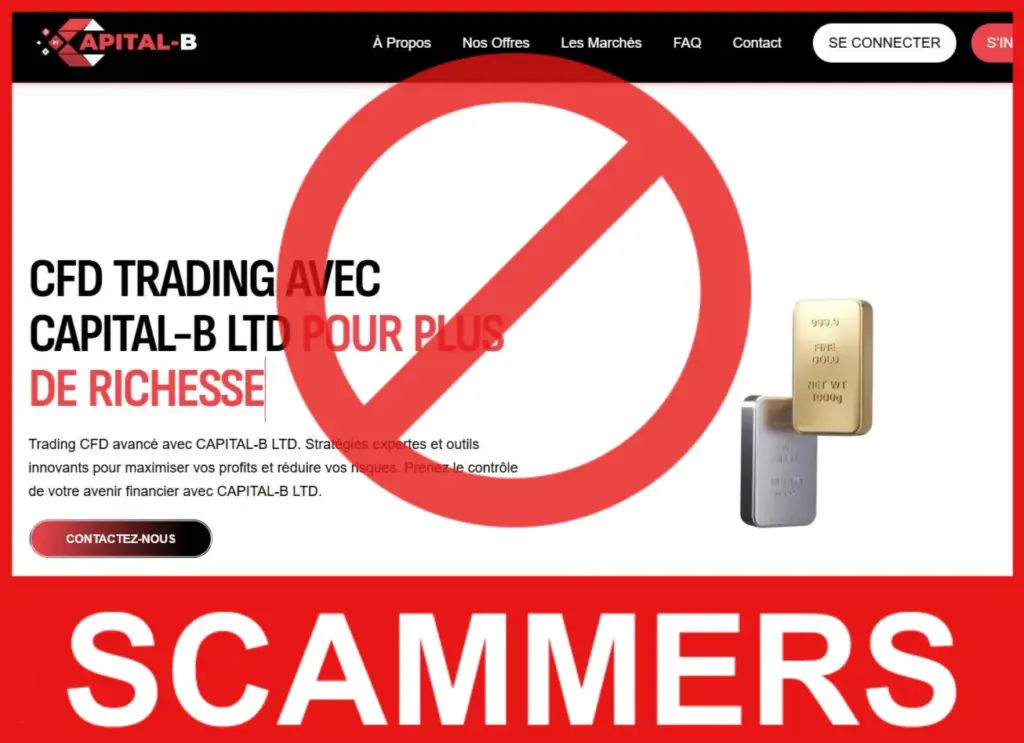
Information About the Fraudulent Broker
Capital BLTD presents itself as an online trading provider offering access to financial markets through a web-based platform. At first glance, the structure appears familiar: users are encouraged to register, deposit funds, and begin trading with the assistance of account managers or consultants. The website design and promotional materials are typically focused on ease of use, quick profit opportunities, and simplified trading conditions that appeal especially to beginners. However, in many cases involving similar brokerage websites, the operational model relies heavily on continuous client engagement rather than transparent trading infrastructure. Users often report that communication begins immediately after registration, with representatives encouraging higher deposits and promising improved trading conditions. The emphasis is usually placed on fast returns and financial independence, which can create unrealistic expectations. Another recurring theme in user discussions about platforms of this type is the lack of clear operational transparency. Information about company ownership, physical offices, and regulatory oversight is often limited or difficult to verify independently. While this does not automatically confirm wrongdoing, it is a common characteristic of high-risk or unregulated trading environments.
Verification of Company Data
A key factor in evaluating any brokerage service is regulatory verification. Licensed brokers are typically registered with recognized financial authorities and must comply with strict operational rules, including fund segregation, reporting obligations, and client protection measures. In contrast, platforms like Capital BLTD often provide limited or unclear licensing information. In many similar cases, users discover that the stated company details do not match any confirmed financial regulator databases. Sometimes the registered address appears in offshore jurisdictions where oversight is minimal, or the company name is difficult to trace to a real financial institution. This lack of clarity creates uncertainty about who is actually operating the platform and under what legal framework. Another issue often reported is inconsistency in corporate documentation. Terms and conditions may be generic, copied, or overly broad, leaving significant control in the hands of the platform operators. For users, this can become problematic when disputes arise, especially around withdrawals or account restrictions. Without a verifiable regulatory authority, resolving such disputes becomes significantly more difficult.
Exposing the Broker as a Fraudster
Across many online discussions involving platforms with similar characteristics, users often describe a pattern of behavior that raises concern. One of the most frequently mentioned issues is aggressive communication from so-called account managers. These individuals often encourage larger deposits, sometimes framing them as necessary steps to unlock better trading opportunities or avoid missing out on profitable market conditions. Another commonly reported issue is the difference in experience between depositing and withdrawing funds. Deposits are usually processed quickly and without friction, which builds trust in the system. However, when users attempt to withdraw profits or even initial capital, delays and complications frequently appear. These may include additional verification requests, unexpected fees, or claims that trading bonuses must be cleared before withdrawal is possible. Users also sometimes report that account balances appear to grow steadily on the platform dashboard, creating a sense of profitability. However, these figures may not necessarily reflect real market transactions, which adds to the confusion when withdrawal requests are denied or delayed.
Fraud Broker’s Deception Scheme
High-risk brokerage schemes often follow a predictable pattern. Initially, users are attracted through online advertising, social media promotions, or direct contact. The message is usually centered on easy earnings and financial growth with minimal experience required. Once a user registers, the engagement stage begins. Representatives build trust through constant communication and guidance. Small deposits may even show apparent profits, reinforcing confidence in the platform. This stage is crucial because it encourages users to invest more significant amounts. As investment increases, pressure often intensifies. Users may be encouraged to upgrade accounts, add more funds, or take advantage of time-limited opportunities. At this stage, the emotional aspect becomes important, with urgency and exclusivity used as persuasive tools. Eventually, when users attempt to withdraw funds, obstacles appear. These may include technical issues, compliance checks, or requests for additional payments. In many similar cases, this is the point where trust breaks down and users begin seeking explanations or external help.
How to Get Money Back from a Scam Broker
For individuals who have deposited funds into platforms they now consider suspicious, recovery options may still exist depending on the payment method used and the time elapsed since transactions occurred. One of the most common approaches involves contacting the issuing bank or payment provider to request a chargeback. This process is typically more effective when initiated quickly and supported by clear documentation. It is also important to collect all available evidence, including transaction receipts, email communication, chat logs, and screenshots of account activity. These materials can be essential when submitting disputes or legal complaints. Some users turn to legal or investigative services that specialize in financial disputes involving online trading platforms. These services often aim to trace funds and identify potential recovery pathways. However, caution is necessary, as not all recovery services are legitimate, and some may target already affected individuals with unrealistic promises.
Negative Reviews About the Broker
In cases involving platforms similar to Capital BLTD, user feedback often follows a consistent pattern. Early interactions are usually described as positive, with supportive communication and easy onboarding. However, as financial involvement increases, dissatisfaction tends to grow. Common complaints include difficulty withdrawing funds, unexpected account limitations, and persistent pressure to reinvest rather than cash out. Some users also report that communication becomes less responsive once withdrawal requests are made, which adds to frustration and uncertainty. Another recurring theme is the feeling of being guided or influenced during trading decisions. Users sometimes describe account managers placing trades on their behalf or strongly recommending specific actions that later result in losses or locked funds. These experiences contribute to a broader perception of imbalance in control between the platform and the client.

Additional Insight into Risk Indicators and Investor Awareness
One important aspect often overlooked by new investors is the psychological design behind many online trading platforms. High-risk operators frequently rely on visual trust signals such as professional dashboards, success stories, and simulated trading results. These elements are designed to reduce skepticism and encourage financial commitment. Another key factor is the absence of independent oversight. Without external auditing or regulatory supervision, users have limited ability to verify whether trading activity is genuine. This creates a situation where trust is placed entirely in the platform itself, which significantly increases risk exposure. Education and awareness remain the strongest tools for prevention. Understanding how legitimate brokers operate, including their regulatory obligations and transparent reporting standards, helps users identify inconsistencies early.
Conclusion
When reviewing platforms like Capital BLTD, the most important takeaway is not a single accusation or isolated complaint, but the overall structure of how these services tend to operate when users consistently report similar difficulties. Even if every individual case differs, the repeating pattern is what matters: strong marketing at the beginning, persuasive communication during deposits, and growing friction once withdrawal is requested. For many users, the experience starts with confidence. The platform looks modern, registration is simple, and account managers are highly responsive. At this stage everything feels smooth and professional, which creates a strong sense of trust. This is exactly why so many people become deeply involved before they fully evaluate the risks. The situation usually changes when clients try to access their own money. Delays appear, additional conditions are introduced, and explanations become more complicated. Instead of fast financial freedom, users are confronted with verification requests, bonus restrictions, or unexpected requirements. Even when these conditions are technically described in terms and agreements, many users later admit they did not fully understand them at the time of deposit. Another important point is emotional pressure. In many similar cases, users describe feeling pushed to continue investing even when they already had doubts. Communication from account managers often focuses on urgency, missed opportunities, or potential profit increases. This creates psychological pressure that can override careful decision-making, especially for inexperienced traders. From a broader perspective, the biggest risk is not only financial loss, but also the lack of clarity about who is actually responsible for the platform’s operations. When regulatory oversight is unclear or difficult to verify, users have limited protection in case of disputes. This leaves them dependent on the platform’s internal processes, which may not always be transparent or consistent. It is also important to understand that recovery after problems arise is rarely simple. Even when users take action quickly, such as contacting banks or filing complaints, success depends on many factors including timing, payment method, and available documentation. This is why prevention is always more effective than any later attempt to recover funds. In the end, platforms like Capital BLTD serve as a reminder of how carefully online financial services must be evaluated. A professional appearance alone is not enough to confirm safety. Real trust comes from independent regulation, clear company identity, and proven withdrawal reliability over time. For anyone considering online trading, the most valuable habit is skepticism combined with verification. If something feels overly easy, overly profitable, or overly urgent, it deserves closer examination before any money is committed. Once funds are sent into an unclear or unregulated system, control over those funds becomes significantly harder to maintain. The overall lesson is simple but critical. In the online investment space, caution is not pessimism, it is protection. And in many reported cases involving similar platforms, that protection is exactly what users realize they needed only after difficulties begin.






I have recently discovered that Capital BLTD may not be operating as a legitimate investment company, and now I’m trying to understand what I should do next. I still have complete records of my deposits, conversations through email and WhatsApp, and screenshots of my account balance before access became restricted. Is it worth starting a recovery procedure even if several months have passed since my last transaction? I would rather spend my time collecting the right documents than continue waiting for replies that will probably never come.
Our specialists will contact you after you submit a request on the website.
Unfortunately, my experience with Capital BLTD ended exactly as many other people have described. At first, the platform looked convincing, and my assigned manager constantly called with new investment opportunities. They showed impressive profits on my account, but every withdrawal request resulted in another obstacle. First it was an identity verification fee, then a liquidity charge, and later they claimed I had to pay taxes in advance. I refused to send any more money after realizing something was wrong. I would appreciate advice from anyone who has already gone through the recovery process and knows what steps should be taken first.
Our team will help you recover stolen funds; please submit a request.