




In the world of online trading, new brokerage platforms appear almost every day, promising easy profits, professional support, and access to global financial markets. One of the names that has recently drawn attention is Flaggschiff, operating through the website flaggschiff.ag. At first sight, the platform presents itself as a modern investment service designed for both beginners and experienced traders. However, behind polished design and confident marketing language, many warning signs have been raised by users and analysts. Complaints about withdrawals, unclear company background, and aggressive sales behavior often appear in discussions about similar offshore brokers. This review takes a closer look at how such platforms typically operate, what risks may be involved, and why traders should be extremely careful before trusting them with their money. The purpose of this article is to provide a clear and realistic overview of Flaggschiff based on available information, user experiences, and known patterns in the financial fraud industry. It also explains how victims can attempt to recover funds with the help of specialists from DNB Forex Review, who work with cases involving questionable brokers.
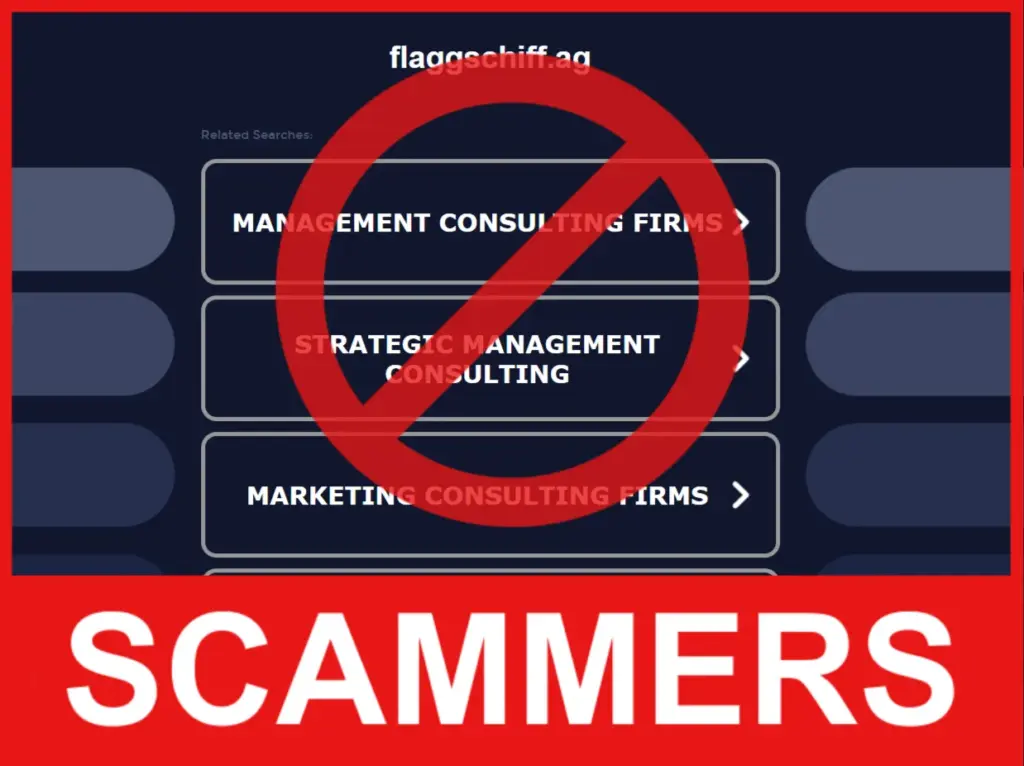
Information About the Fraudulent Broker
Flaggschiff presents itself as a trading platform offering access to forex, CFDs, and other financial instruments. The website gives an impression of professionalism, using financial terminology, trading dashboards, and promises of advanced trading tools. It is designed to make users believe they are dealing with a legitimate investment company. In practice, many complaints connected to similar brokers follow a familiar pattern. Users often describe being contacted through aggressive marketing channels, including unsolicited phone calls or messages. These conversations usually focus on potential profits and financial independence, encouraging quick registration and initial deposits. After account creation, users are typically introduced to personal account managers. Instead of neutral assistance, these managers often focus on increasing deposits. They may suggest that larger investments lead to better trading conditions or higher returns. This creates psychological pressure, especially on inexperienced investors who may trust the guidance they receive. Once funds are deposited, some users report that trading results appear overly optimistic at first. The platform may show growing profits, which encourages further investment. However, when withdrawal is requested, the situation often changes. Communication becomes slower, and new conditions or requirements suddenly appear. Although Flaggschiff markets itself as a global financial service provider, the overall structure and user feedback resemble patterns commonly seen in unregulated or high-risk brokerage environments.
Verification of Company Data
One of the most important aspects of evaluating any broker is checking its legal status and regulatory supervision. In the case of Flaggschiff, clear and verifiable licensing information is difficult to confirm through reputable financial regulators. Legitimate brokers are usually registered with recognized authorities and provide transparent details such as license numbers, company registration data, and official addresses. In contrast, platforms like Flaggschiff often provide limited or unclear information, making independent verification difficult. Another concern is the possible use of offshore registration. Some companies choose jurisdictions with weak financial oversight, where regulations are less strict and investor protection is minimal. While this does not automatically mean fraudulent activity, it significantly increases the risk for clients. In many cases, corporate ownership details are hidden or protected through privacy services. This makes it difficult to identify the real individuals or organizations behind the platform. Lack of transparency in ownership is a serious warning sign, especially in financial services where accountability is essential. Without reliable regulatory confirmation and clear corporate structure, investors are left without proper legal protection. This is one of the key issues repeatedly mentioned in discussions about Flaggschiff and similar brokers.
Exposing the Broker as a Fraudster
Several behavioral patterns associated with Flaggschiff raise concerns about its legitimacy. One of the most common issues reported in similar cases is unrealistic profit expectations. Platforms often suggest that trading is simple and highly profitable, which does not reflect real market conditions. Another major concern is withdrawal difficulty. Users frequently report that depositing money is easy and fast, but withdrawing it becomes complicated. Requests may be delayed, rejected, or placed under vague verification procedures. In some cases, clients are asked to pay additional fees before funds can be released. Pressure from account managers is another red flag. Instead of providing neutral support, they may push clients to invest more money, often using emotional arguments or time-sensitive offers. This creates a sense of urgency and reduces rational decision-making. There are also reports of unclear trading results. Some users claim that account balances fluctuate in ways that do not match real market movements. While such claims are difficult to verify individually, they are commonly associated with poorly regulated or suspicious trading systems. Customer support is another weak point often mentioned. When users attempt to resolve issues or request withdrawals, responses may become generic or stop completely. This lack of accountability is a key indicator of potential misconduct.
Fraud Broker’s Deception Scheme
The typical structure of a fraudulent brokerage operation follows a predictable pattern. It usually begins with advertising designed to attract inexperienced investors. These advertisements often highlight financial freedom, easy income, or automated trading success. Once a user registers, the platform encourages an initial deposit. At this stage, the goal is to build trust. Some users may even see early profits displayed in their account, creating the impression that the system is working. After trust is established, the next phase begins. Account managers or representatives encourage larger investments. They may claim that higher deposits unlock better trading opportunities or professional strategies. This step is crucial for the operator because it increases the total funds collected from the victim. As investment grows, the platform continues to show positive results, reinforcing the illusion of success. However, these numbers often have no real connection to actual market activity. The final stage occurs when the user attempts to withdraw money. At this point, obstacles appear. These may include unexpected verification requirements, administrative fees, or claims of regulatory checks. The process becomes increasingly complicated until communication eventually stops. This cycle is designed to maximize deposits while minimizing payouts, leaving users with limited options once they realize the situation.
How to Get Money Back from a Scam Broker
Recovering funds from questionable brokers is challenging, but not always impossible. The first and most important step is collecting all available evidence. This includes transaction records, communication history, account screenshots, and any agreements or documents received from the broker. The next step is contacting the payment provider. Depending on the method used, it may be possible to initiate a dispute or chargeback. Acting quickly is essential because many payment systems have strict time limits. In more complex situations, professional assistance becomes necessary. Specialists from DNB Forex Review focus on analyzing cases involving questionable brokers and helping victims build recovery strategies. They understand how such platforms operate and know how to approach banks, payment systems, and legal channels. Their work often involves tracing transactions, preparing documentation, and identifying potential recovery routes. While no outcome can be guaranteed, professional intervention significantly improves the chances of recovering at least part of the lost funds. Time is a critical factor in these cases. The sooner action is taken, the higher the possibility of success.
Negative Reviews About the Broker
User feedback connected to Flaggschiff and similar platforms often shows recurring themes. Many traders describe difficulties when trying to withdraw their funds. In some cases, withdrawal requests are ignored or delayed for long periods without clear explanation. Another common complaint involves unexpected fees. Users report being asked to pay additional charges before receiving their money. These fees are often described as taxes, verification costs, or processing payments, which were never mentioned at the beginning. There are also reports of aggressive communication in the early stages, followed by complete silence once problems arise. This shift in behavior is frequently mentioned by individuals who believe they have been misled. Some users express frustration with emotional pressure tactics used by account managers. These tactics often encourage continued investment even after losses, suggesting that recovery is possible if more funds are added. Although not every review can be independently confirmed, the consistency of similar complaints across different sources is an important signal that should not be ignored.

Hidden Risks of “Bonus Offers” and Trading Incentives
One topic that often gets overlooked when people evaluate brokers like Flaggschiff is the role of bonuses, promotional credits, and special trading incentives. At first glance, these offers may look like a simple gift from the platform. A welcome bonus, deposit match, or “risk-free trading” promotion sounds like an easy way to start trading with extra capital. In reality, this is one of the most common mechanisms used by questionable brokers to lock users inside their system. When a trader accepts a bonus, it usually comes with hidden conditions. These conditions are rarely explained in a simple or transparent way. For example, a user may be told that they received extra trading funds, but what is not clearly emphasized is that the bonus money is not actually withdrawable. In many cases, even the original deposit becomes restricted until a certain trading volume is reached. This creates a situation where the trader is forced to continue trading, often under pressure, just to regain access to their own money. This is where the psychological aspect becomes important. Many users initially do not question the bonus because it feels like an advantage. The account balance appears larger, trades look more flexible, and the platform seems supportive. However, once the user tries to withdraw funds, the restrictions become visible. Suddenly, the broker may claim that the bonus must be “cleared” through trading activity or that all bonus-related conditions must be met before any payout is possible. In practice, this often leads to frustration and financial loss. Traders may continue depositing more money just to satisfy the conditions, believing they are close to unlocking their withdrawal. This is exactly the point where the system becomes dangerous. Instead of focusing on real trading decisions, the user is pushed into artificial requirements that serve the broker’s interests rather than the client’s. Another hidden risk connected to bonuses is account manipulation. In some cases reported in similar environments, bonus conditions are used as a justification to block withdrawals entirely. The broker may argue that a rule was violated or that trading activity did not meet internal requirements. Because these rules are often written vaguely or buried in long terms and conditions, users rarely understand them at the moment of acceptance. There is also a strong emotional component. Once a trader sees profit numbers increasing due to bonus leverage, they may feel encouraged to invest more. The illusion of progress can be powerful, even if the profits are not real or cannot be withdrawn. This creates a cycle where the user becomes more dependent on the platform and less likely to withdraw early. In legitimate financial services, bonuses are heavily regulated or even prohibited in some jurisdictions because of these risks. Responsible brokers avoid misleading incentives and focus on transparent fee structures instead. When a platform aggressively promotes bonuses as a key advantage, it is often a signal that the business model relies more on deposits than on actual trading services. With platforms like Flaggschiff, bonus offers should therefore be treated with extreme caution. Even if they appear attractive at first, they can significantly reduce financial control and increase the difficulty of recovering funds later. Once a user accepts such conditions, their money may become tied to restrictions that are difficult or impossible to reverse without external help. For anyone already affected, understanding how these bonus systems work is important when building a recovery case. Specialists from firms like DNB Forex Review often examine whether bonus conditions were clearly disclosed and whether they were used unfairly to block withdrawals. This information can be crucial when trying to challenge a broker’s actions and recover lost funds. In the end, bonus offers are not just marketing tools. In risky or unregulated environments, they often function as traps that gradually shift control away from the investor. Recognizing this early can make the difference between a controlled investment experience and a situation where access to funds becomes restricted and recovery becomes necessary.
Conclusion
Flaggschiff shows many characteristics that are commonly associated with high-risk or potentially fraudulent trading platforms. These include unclear regulation, lack of transparent company information, withdrawal issues, and aggressive sales behavior. While every case should be examined carefully, the overall pattern is concerning enough for traders to proceed with extreme caution. In the financial world, trust must be based on verification, not promises. For individuals who have already deposited money and are experiencing problems, it is important not to remain passive. Early action increases the chances of recovery. Gathering evidence, contacting payment providers, and seeking professional help are key steps. Specialists from DNB Forex Review assist clients in navigating these difficult situations and pursuing possible fund recovery options. Their experience with similar cases can be an important advantage when dealing with unregulated or suspicious brokers. The main lesson from cases like this is simple. If something in online trading looks too easy or too profitable, it usually requires closer scrutiny before any money is invested.






I wish I had researched Flaggschiff more carefully before sending money. The company appeared legitimate, and the representatives were very convincing during phone calls. However, after several deposits, I noticed that every withdrawal request was met with new conditions and unexpected charges. Looking back, many of the promises now seem unrealistic. I have already contacted my bank and reported the situation. I would like to know whether there are realistic chances of recovering funds from this broker and what documents are typically required to support a claim.
Specialists will contact you after you submit a request on our website.