




In the online trading world, promises of fast profits and “professional investment management” have become extremely common. Unfortunately, not all of these offers are genuine. A growing number of users report losing money after dealing with platforms that look like legitimate brokers but later reveal serious problems when clients try to withdraw funds. The case involving names such as KTL Markets and websites like tradecapitalconcepts.com has attracted attention because of repeated complaints and similar behavioral patterns described by users. While these platforms present themselves as financial service providers, many traders report experiences that raise concerns about transparency, regulation, and fairness. This review is written in a clear and simple way for DNB Forex Review, a service that helps people attempt to recover funds from suspicious brokers. The purpose here is to explain what is known, what victims report, and why caution is necessary when dealing with such platforms.
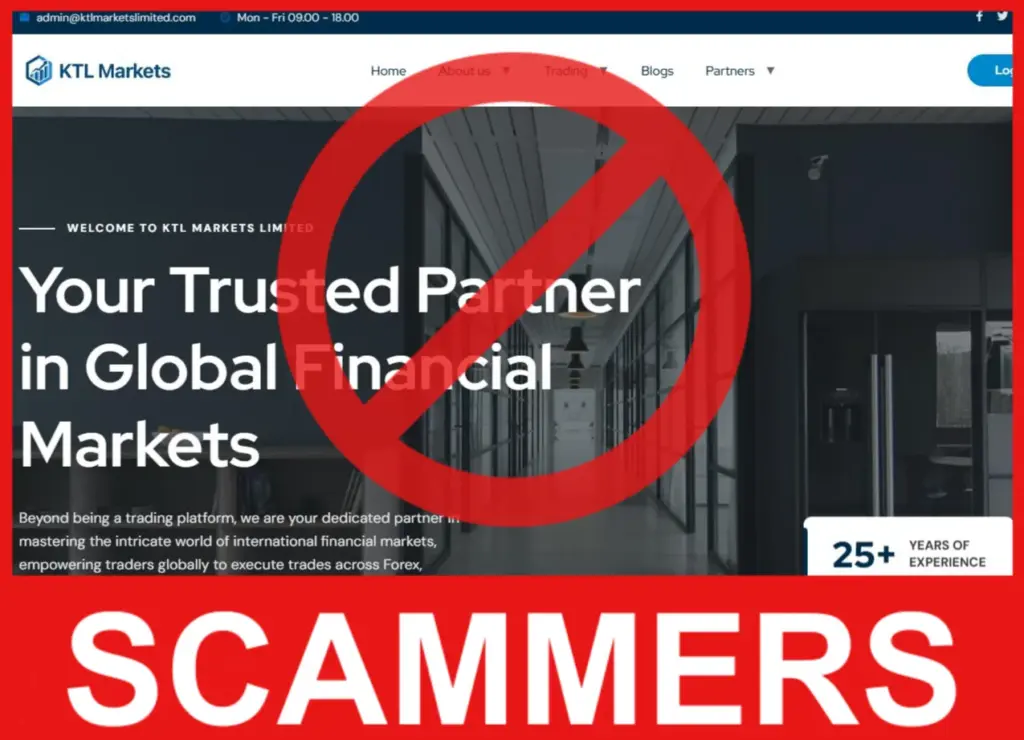
Information About the Fraudulent Broker
Platforms associated with KTL Markets and tradecapitalconcepts.com typically present themselves as modern brokerage services offering access to forex, commodities, indices, and cryptocurrency markets. At first glance, the websites often look professional, with trading dashboards, account types, and promises of expert financial guidance. However, users frequently describe a very different reality after registration. Many say that shortly after creating an account, they are contacted by so-called account managers who actively encourage deposits. These conversations are often persistent and focused on convincing clients to invest more money rather than explaining risks or trading conditions. Another recurring point is the lack of clarity regarding how trading actually works on these platforms. Clients often do not receive transparent information about liquidity providers, order execution, or risk management systems. Instead, they interact mainly with internal dashboards that show account balances and supposed profits. Some users report that everything appears normal at first, including rising account balances. But later, when withdrawal is requested, the situation changes. Communication becomes slower, additional requirements appear, and in some cases access to accounts becomes restricted. These patterns are commonly associated with high-risk or potentially fraudulent brokerage operations, especially when combined with unclear ownership and lack of regulatory verification.
Verification of Company Data
One of the most important aspects when evaluating any broker is whether the company is properly registered and regulated. In the case of KTL Markets and related websites, users often report difficulties in verifying official licensing information. Legitimate financial companies are usually registered with recognized regulatory authorities and provide clear documentation that can be independently checked. In contrast, platforms under review often provide vague or incomplete details about their legal structure. In many cases, there is no clearly identifiable company name behind the website. Sometimes offshore registrations are mentioned, but these do not always offer strong investor protection or transparency. Offshore jurisdictions are often used because they have lighter regulatory requirements. Another issue is the lack of verifiable corporate leadership. Genuine brokers usually list executives, compliance officers, and company headquarters. Here, such details are often missing or replaced with general descriptions that cannot be independently confirmed. Contact information also raises concerns. Users report that communication is initially responsive, but becomes unreliable once financial disputes arise. Emails may go unanswered, and support channels may stop functioning. These gaps in transparency make it extremely difficult for clients to understand who is actually controlling their funds, which is a major warning sign in financial services.
Exposing the Broker as a Fraudster
When analyzing complaints related to such platforms, several concerning patterns repeatedly appear. One of the most common issues is aggressive sales behavior. Clients often describe being pressured to deposit more money soon after registration. Account managers frequently present themselves as experienced professionals, offering personalized trading advice. However, the main focus of their communication appears to be increasing deposits rather than providing independent financial guidance. Another worrying sign is the way profits are displayed. Some users report seeing positive returns early on, which creates trust and encourages further investment. But these profits often cannot be withdrawn or verified through external systems. Withdrawal problems are one of the strongest indicators of potential misconduct. Clients report delays, repeated requests for additional documents, and sudden introduction of unexpected fees. In some cases, accounts are frozen without clear explanation. There are also reports of emotional pressure. Some users say they were warned that failure to invest more could lead to account restrictions or missed opportunities. This type of behavior is not typical of regulated financial institutions.
Fraud Broker’s Deception Scheme
The operation model described by many users follows a predictable structure. It usually starts with online advertising that highlights high returns and easy income opportunities. These ads attract individuals who may not have extensive trading experience. After registration, the client is contacted by a representative who builds trust and encourages an initial deposit. This stage is designed to feel supportive and professional. Once the first deposit is made, the platform may show apparent growth in the account balance. This creates confidence and encourages additional investments. Clients are often told that larger deposits will unlock better trading strategies or higher profits. At a later stage, problems begin to appear when withdrawal is requested. Clients may be told they must pay taxes, verification fees, or processing costs. These demands are often unexpected and not mentioned earlier. Eventually, communication may stop or become extremely limited. Accounts may be restricted, and access to funds becomes impossible. This step-by-step pattern is commonly reported in many questionable brokerage cases.
How to Get Money Back from a Scam Broker
Recovering funds from suspicious brokers can be challenging, but there are structured approaches that may help. One of the most important steps is collecting all available evidence, including payment confirmations, emails, chat records, and screenshots of the trading platform. DNB Forex Review specializes in assisting individuals in such situations. The process begins with analyzing how the funds were transferred. If payments were made using bank cards, there may be a possibility to initiate a dispute process through the bank. This is often referred to as a chargeback procedure. In cases involving cryptocurrency transfers, specialists may attempt to trace transaction paths and identify possible exchange points. Although crypto recovery is more complex, it is not always impossible when handled professionally. Legal documentation is also important. Detailed complaints can be prepared to demonstrate misleading practices, lack of licensing, and withdrawal obstruction. These documents can be submitted to financial institutions and relevant authorities. Professional assistance increases the chances of recovery because it ensures that cases are handled in a structured and technically accurate way rather than relying on individual attempts alone.
Negative Reviews About the Broker
Reports from individuals who have interacted with platforms like KTL Markets and similar websites often follow a similar pattern. Many users describe a positive start followed by increasing difficulties once they try to withdraw money. Some clients say that communication was friendly and fast during the deposit phase, but became slow or unresponsive afterward. Others report that their accounts showed profits that could not be accessed or withdrawn. A frequent complaint involves unexpected financial demands before withdrawal. Users mention being asked to pay additional charges that were not previously disclosed. Even after making these payments, funds were often still not released. There are also reports of sudden account issues, including blocked access or unexplained balance changes. These experiences create frustration and loss of trust among clients. Overall, the shared pattern of complaints suggests systemic issues rather than isolated incidents, which is why such platforms are often viewed with caution by recovery specialists.

Additional risks users often overlook
Beyond financial loss, there are other important risks associated with engaging in unverified trading platforms. One of them is the exposure of personal data. Users often provide sensitive information during registration, including identification documents and banking details. If the platform is not secure or legitimate, this information may be misused. Another risk is secondary fraud. Individuals who have already lost money are sometimes targeted again by companies offering recovery services for upfront fees. Some of these recovery offers are also fraudulent, which can lead to additional losses. There is also an emotional impact that should not be ignored. Many victims experience stress and frustration after realizing they cannot access their funds. This can affect trust in online financial services in general. Understanding these risks is important not only for prevention but also for making informed decisions when choosing financial service providers.
Conclusion
The overall situation surrounding platforms such as KTL Markets and websites like tradecapitalconcepts.com shows a pattern that deserves serious attention from anyone involved in online trading. While at first glance these services may look like modern brokerage companies offering access to global financial markets, the deeper analysis of user experiences, communication behavior, and operational transparency reveals a very different picture. A key issue is the gap between what is promised and what actually happens in practice. Many users describe being introduced to the platform with attractive explanations about financial growth, professional trading assistance, and stable returns. Everything seems structured and well presented in the beginning, which creates a sense of trust. However, this impression often changes once real money is deposited and trading begins. One of the most frequently mentioned problems is the withdrawal stage. In legitimate financial services, withdrawing funds is a standard and clearly regulated process. In contrast, users dealing with these platforms often report unexpected obstacles. These include additional verification requests, sudden fees, unclear compliance checks, and long delays without proper explanation. In some cases, clients say that withdrawal requests were ignored entirely after repeated attempts. Another serious concern is the lack of transparency regarding the actual company behind the platform. Many users are unable to clearly identify the legal entity responsible for managing their funds. There is often no verifiable regulatory supervision, no clear licensing information, and no accessible corporate structure. This creates a situation where clients are essentially interacting with an anonymous system, which significantly increases risk. The behavior of account managers is also frequently mentioned in complaints. Instead of offering neutral support, many users describe persistent encouragement to deposit more money. This pressure is often justified by promises of higher returns or improved trading opportunities. However, when clients become hesitant or request withdrawals, communication often becomes less cooperative or even disappears. Another important point is the psychological impact on clients. Many individuals enter these platforms with genuine interest in investment and financial growth. When problems start appearing, they often try to resolve issues by following instructions from support teams, paying additional fees, or waiting for promised solutions. Unfortunately, this often leads to deeper losses instead of resolution. The emotional effect of realizing that funds may not be recoverable can be significant, especially when savings or borrowed money is involved. It is also important to highlight the repetitive nature of these complaints across similar platforms. The same structure appears repeatedly: aggressive marketing, initial trust building, fake or unclear profit display, and then withdrawal obstruction. This consistency suggests that the issue is not isolated but part of a broader pattern seen in many questionable online brokerage operations. In such situations, attempting to resolve the problem independently is often very difficult. Financial platforms that operate without proper regulation or transparency are not bound by the same rules as licensed institutions. This makes direct negotiation ineffective in many cases, especially when communication stops or becomes unresponsive. This is where professional assistance becomes important. Services like DNB Forex Review are designed to help individuals analyze their situation, collect evidence, and identify possible recovery paths. Depending on how the funds were transferred, there may be options such as chargeback procedures, banking disputes, or investigative tracing of transactions. Each case is different, but structured legal and financial support significantly improves the chances of achieving a positive outcome. At the same time, it is important to understand that recovery processes require time, documentation, and realistic expectations. No service can guarantee immediate results, especially when funds have been moved through complex or international payment channels. However, taking action quickly is crucial, as delays can reduce the chances of successful recovery. In a broader sense, cases like this serve as a reminder of how important due diligence is in online investing. Checking regulatory status, verifying company identity, and researching independent user feedback are essential steps before making any financial commitment. Even platforms that look professional and well-designed can hide serious risks underneath. To conclude, the situation involving KTL Markets and tradecapitalconcepts.com highlights the importance of caution, awareness, and informed decision-making in online financial environments. The combination of unclear company data, withdrawal difficulties, and repeated user complaints creates a high-risk profile that should not be ignored. For individuals who have already experienced financial loss, the most important step is to act quickly, preserve all available evidence, and seek professional guidance. DNB Forex Review continues to assist clients in such cases by offering structured support and exploring all possible recovery options. While outcomes vary, taking timely and informed action remains the strongest path forward in dealing with such complex financial situations.






I am not writing this to praise anyone, only to say that I received useful help after KTL Markets blocked my withdrawal. The process was slow and required a lot of paperwork, but the case was taken seriously and I was at least able to recover part of the loss. The most useful advice was to stop paying any extra “verification” or “tax” requests. For anyone still trapped, my suggestion is to preserve every message and move quickly.
Submit a request, and our specialists will help you.