




Online trading has become one of the most popular ways for individuals to try and grow their money, especially with easy access to global financial markets through the internet. However, alongside legitimate opportunities, this growing industry has also opened the door for dishonest platforms that present themselves as trustworthy brokers while operating with completely different intentions. Pendoxa is one of those platforms that raises serious concerns when examined beyond its surface appearance. This material prepared for DNB Forex Review aims to help readers better understand how such schemes usually function, why they are dangerous for investors, and what actions can be taken if funds have already been transferred. Many people only realize something is wrong when they try to withdraw their money and suddenly face unexpected obstacles, which is why early awareness is extremely important.
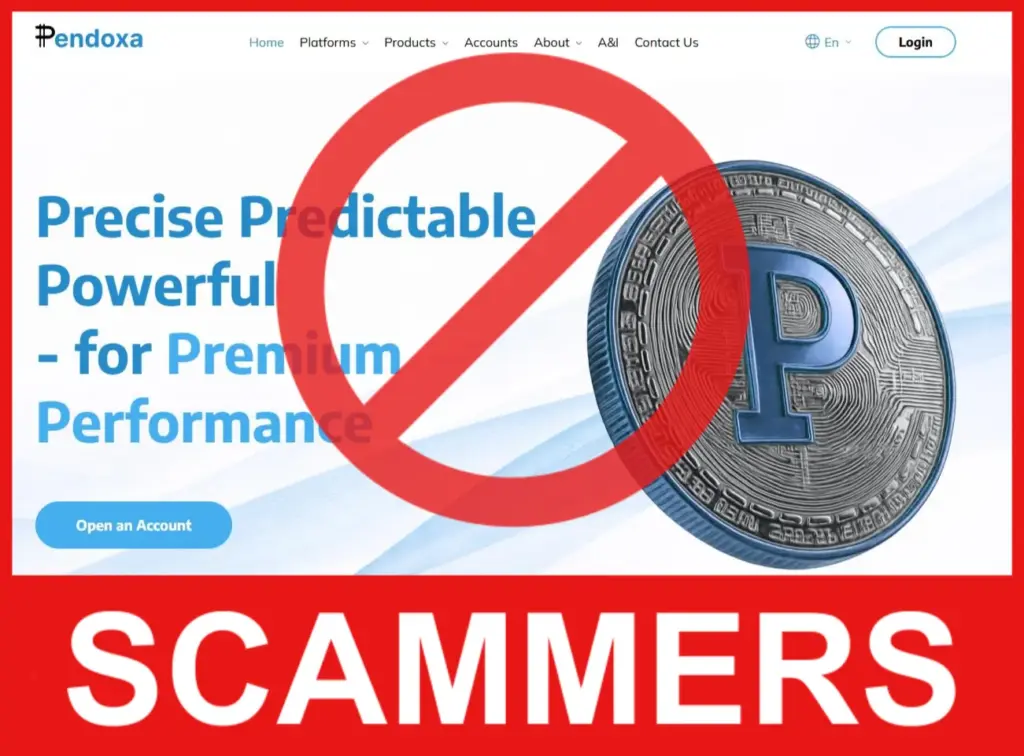
Information About the Fraudulent Broker
Pendoxa markets itself as an online brokerage service that provides access to trading instruments like forex pairs, digital currencies, and CFDs. The website is structured in a way that resembles a professional trading environment, offering dashboards, price charts, and different account options that may initially create a sense of reliability. However, once you look more closely, several weaknesses become visible. One of the main concerns is the absence of clear and verifiable company background information. Genuine brokers are usually fully transparent about their legal entity, licensing status, and regulatory supervision. Pendoxa, on the other hand, does not clearly demonstrate authorization from any well-known financial regulator. Another noticeable aspect is the way the platform communicates with potential clients. The messaging is heavily focused on financial success, easy earnings, and high returns with minimal effort. In real financial markets, no regulated company is allowed to promise guaranteed profits, which makes this type of presentation highly questionable. There is also a strong emphasis on getting users to deposit funds quickly. Many similar platforms rely on persuasive tactics, often involving so-called account managers who actively encourage clients to increase their investments. This approach is commonly linked to high-risk or deceptive schemes that depend more on continuous deposits than on genuine trading activity.
Verification of Company Data
A crucial step in evaluating any brokerage service is confirming its regulatory status. Licensed financial institutions must operate under strict supervision from recognized authorities such as the FCA, CySEC, ASIC, or similar organizations that enforce investor protection rules and financial transparency. In the case of Pendoxa, there is no solid proof that it is regulated by any reputable authority. This absence of oversight is a major red flag because it means clients are not protected by financial laws or compensation systems if something goes wrong. In addition, important corporate details appear either missing or unclear. This includes lack of verifiable office addresses, unclear ownership structure, and vague or generic legal documentation. In many cases, platforms like this may even use offshore registrations that exist only on paper and offer little to no real investor protection. Without regulation, investors are left completely exposed. There is no independent authority to handle disputes, no insurance for deposited funds, and no obligation for the company to act in the client’s best interest. This creates a highly risky environment for anyone depositing money.
Exposing the Broker as a Fraudster
There are several behavioral patterns commonly associated with fraudulent trading platforms, many of which appear in cases like Pendoxa. One major concern is the nature of the trading system itself. Instead of connecting users to real financial markets, some platforms simulate trading results internally. This allows operators to manipulate outcomes and display artificial profits or losses depending on their objectives. Another frequent issue involves withdrawal difficulties. While depositing funds is usually fast and effortless, requesting a withdrawal often becomes complicated. Users may be asked to complete additional verification steps, pay unexpected fees, or meet new conditions that were never mentioned initially. Communication style is also a key indicator. Many users report being contacted repeatedly and pushed to invest more money. These conversations often include promises of better trading conditions or higher profits if larger deposits are made. Emotional pressure is commonly used as well. Clients may be told that opportunities are limited or time-sensitive, creating urgency that leads to impulsive financial decisions without proper verification or research.
Fraud Broker’s Deception Scheme
Fraudulent brokerage schemes often follow a predictable pattern designed to extract as much money as possible before the victim realizes what is happening. The process usually starts with online advertisements or promotional campaigns targeting inexperienced traders. Once a person registers, they are encouraged to make a small initial deposit to begin trading. At first, everything appears normal. The user may even see early profits displayed in their account, which helps build trust and encourages further investment. As deposits increase, problems slowly begin to appear. Withdrawal requests are delayed or rejected, and new conditions are introduced. These may include unexpected fees, taxes, or verification costs that must be paid before funds can be released. Eventually, communication may become limited or stop entirely. Accounts may be restricted or locked, leaving users unable to access their money without outside intervention.
How to Get Money Back from a Scam Broker
For individuals who have already lost money to such platforms, there are still possible recovery paths. DNB Forex Review specialists work with affected clients to analyze transactions and determine the most effective strategy for fund recovery. Depending on how the payment was made, different methods may be used. These can include card chargeback procedures, bank dispute claims, cryptocurrency tracing, or formal legal complaints against involved payment processors. Time plays a very important role in recovery cases. Financial institutions often have strict deadlines for submitting disputes, and delays can significantly reduce the chance of success. This is why quick action is essential. Professional assistance is valuable because fraud cases require structured documentation and an understanding of how deceptive platforms operate. Proper case preparation increases the likelihood of a positive outcome.
Negative Reviews About the Broker
Although Pendoxa presents itself as a legitimate broker, similar platforms typically generate a significant number of negative user experiences over time. Common complaints include inability to withdraw funds, sudden account limitations, and unexpected requests for additional payments. Many users also report that customer support becomes unresponsive once withdrawal requests are submitted. Some individuals mention being encouraged to reinvest supposed profits instead of withdrawing them, creating an illusion of success while keeping funds locked inside the system. Others describe pressure from account representatives pushing them to deposit more in order to access “better trading conditions.” These patterns are widely recognized in unregulated brokerage environments and should be treated as serious warning signs.

Hidden Risks Beyond Financial Loss
When people think about online trading scams like Pendoxa, the first thing that comes to mind is usually the money that gets lost. But in reality, the financial damage is only one part of the problem. Platforms operating without proper regulation can create a whole chain of hidden risks that often affect victims long after the initial investment is gone. One of the most serious issues is the misuse of personal data. During registration, users are often asked to submit sensitive information such as passports, identity cards, proof of address, and banking details. On a legitimate regulated platform, this data is protected under strict security rules. In an unregulated environment, however, there is no guarantee that this information is stored safely or used responsibly. In the worst cases, it can be shared with third parties, sold to marketing networks, or used to target the same person again in future scam attempts. This creates a long-term privacy risk that does not disappear even after the trading account is closed. Another major hidden danger is the risk of repeated targeting. Victims of one scam are often added to so-called “sucker lists” that circulate among fraudulent groups. Once a person has been identified as someone who has already invested money, they may be contacted again by different fake brokers, recovery agents, or investment advisors offering “second chance” opportunities. These follow-up scams can sometimes be even more convincing than the original one because the victim is already emotionally and financially vulnerable. There is also a serious cybersecurity concern. Many suspicious trading platforms do not invest in proper digital protection systems. This can leave user accounts exposed to unauthorized access, weak password security, or even internal manipulation by operators of the platform itself. In such environments, users have very little control over their own accounts, and data integrity cannot be trusted. Another often overlooked risk is identity misuse. Once personal documents are uploaded, there is always a possibility that they could be reused to open other financial accounts or even be involved in fraudulent financial activities without the victim’s knowledge. This can lead to complications with banks or payment providers later on, especially if the stolen identity data is used in other scams. The psychological impact is also significant and should not be underestimated. Many victims experience stress, anxiety, and a strong sense of regret or self-blame after realizing they have been deceived. This emotional burden can affect decision-making in the future, making individuals either overly cautious or, in some cases, more vulnerable to new scams that promise to “recover lost funds.” Fraud operators are aware of this emotional state and sometimes specifically target people who are already affected by previous losses. Another hidden risk involves financial behavior disruption. After experiencing a scam, some victims lose trust in legitimate financial institutions altogether. This can prevent them from using real investment opportunities in the future, effectively blocking them from building wealth through safe and regulated channels. In this way, the damage extends far beyond the initial loss and can influence long-term financial habits. There is also the danger of false recovery schemes. Once someone loses money to platforms like Pendoxa, they may be contacted by individuals or companies claiming they can recover the funds quickly in exchange for an upfront payment. These offers often appear professional and convincing, but in many cases they are another layer of fraud. Victims end up losing even more money while chasing unrealistic promises of recovery. In some situations, legal confusion adds another layer of difficulty. Because these platforms operate across borders and often use offshore structures, victims may struggle to understand which jurisdiction applies or where to file complaints. This complexity is often used by scammers as a shield, making it harder for victims to take effective action without professional assistance. Finally, there is the long-term trust damage. After being exposed to such schemes, many people lose confidence not only in online trading but in digital financial services as a whole. This loss of trust can prevent individuals from using legitimate investment platforms, banking tools, or financial technologies that could actually benefit them in the future. All these hidden risks show that the impact of platforms like Pendoxa goes far beyond simple financial loss. The consequences can affect privacy, identity security, emotional well-being, and even future financial opportunities. This is why it is crucial for affected individuals to act quickly, protect their data, and seek professional support from specialists such as DNB Forex Review to reduce further damage and regain control over their situation.
Conclusion
After a detailed review of Pendoxa and comparison with known patterns of unregulated or suspicious brokerage platforms, the overall situation raises serious concerns. The lack of transparency, absence of confirmed regulation, aggressive deposit behavior, and withdrawal-related issues all point toward a high-risk environment for investors. One of the most important observations is that such platforms often rely on trust-building at the beginning, only to change their behavior once significant funds have been deposited. Users may initially see positive results, but later encounter increasing restrictions and financial barriers when attempting to withdraw. It is also important to understand the psychological tactics involved. Many users are encouraged to keep reinvesting instead of cashing out, which creates a false sense of success while keeping money trapped inside the platform. These methods are not aligned with regulated financial practices and are designed to benefit the operator rather than the client. Real trading companies operate under strict legal frameworks, provide transparent information about licensing, and allow free withdrawals without hidden conditions. Any deviation from these standards should be treated with caution. For individuals who have already been affected, immediate action is crucial. Delays can significantly reduce the chances of recovering lost funds. Continuing to interact with unregulated platforms or sending additional payments typically results in further losses. With professional guidance from DNB Forex Review specialists, victims can take structured steps toward possible recovery, including financial dispute procedures and legal escalation where applicable. While no solution guarantees success, expert support greatly improves the chances of minimizing damage and recovering lost assets.








One thing that stood out during my experience with Pendoxa was how quickly they responded before I invested and how difficult it became to reach anyone afterward. At first I received daily calls encouraging me to deposit more money, but once I requested a withdrawal, replies became slower and eventually stopped altogether. Looking back, I can clearly see the warning signs. If someone is facing the same situation, don’t ignore it for too long because delays may only make recovering the funds more complicated.
Leave your contact details, and we will get in touch with you for a free consultation.