




In the world of online trading, it is not always easy to separate a real brokerage service from a carefully built illusion. Many platforms present themselves as modern gateways to financial freedom, offering fast profits, simple interfaces, and constant support from “experts.” SmartyTrade is one of those names that has increasingly appeared in discussions where traders share negative experiences and warning stories. At first glance, the platform tries to look professional and accessible. It promises easy registration, quick access to trading markets, and high returns even for beginners. But behind this attractive image, many users describe a very different reality. Complaints about blocked withdrawals, disappearing support, and sudden account restrictions have become a recurring theme. This article takes a closer look at how the platform operates, what users are saying, and why so many victims are now searching for help from specialists who deal with financial disputes involving questionable brokers.
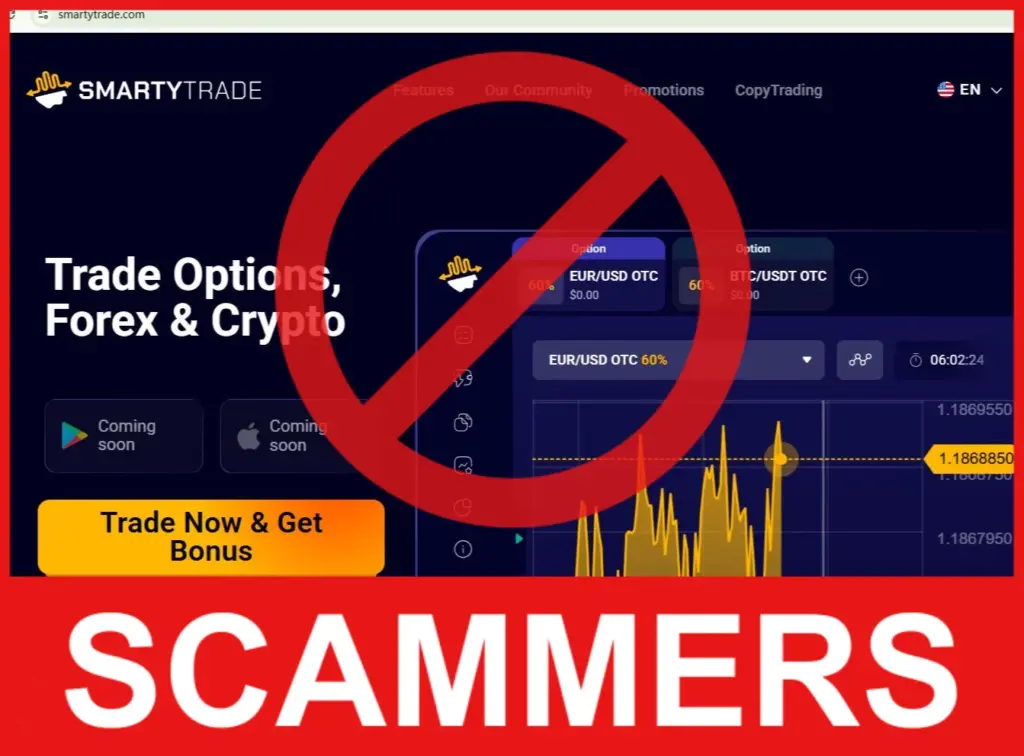
Information About the Fraudulent Broker
SmartyTrade promotes itself as a global trading platform offering access to forex, cryptocurrencies, and other speculative financial instruments. The website is designed in a way that aims to build trust quickly. It highlights simple onboarding, flexible trading conditions, and tools that supposedly help users earn consistent income. The marketing approach is aggressive in nature. New users are often encouraged to deposit money shortly after registration, sometimes with promises of guidance from personal account managers. These managers are described as experienced professionals who can help traders succeed even without prior knowledge. However, when users begin interacting with the platform more deeply, a different picture starts to emerge. Many traders report that early interactions feel supportive, but this changes once larger deposits are made or withdrawal requests are submitted. At that stage, communication becomes less transparent, and users often describe long delays or unclear explanations regarding account status. Another important detail is that SmartyTrade operates through an offshore structure, which is commonly used by high risk trading platforms. Such structures make it difficult for clients to understand who is truly behind the company and where responsibility lies in case of disputes. This lack of clarity is one of the first warning signs experienced traders tend to notice.
Verification of Company Data
When examining the background of SmartyTrade, one of the main concerns is the lack of clear and verifiable regulatory oversight. Legitimate brokers are usually licensed by well known financial authorities that enforce strict rules regarding client protection, fund management, and operational transparency. In the case of SmartyTrade, such regulation is not clearly present. The company is often associated with offshore registration, which by itself is not illegal but significantly reduces accountability. Offshore jurisdictions typically do not offer strong investor protection frameworks. This means that if something goes wrong, clients have very limited options for legal support or compensation. Another issue is the inconsistency of corporate information. Users trying to verify the company often encounter incomplete details about ownership, management, and operational headquarters. Some data appears vague or difficult to confirm through independent sources. This creates uncertainty about who is actually running the platform. In addition, financial transparency is limited. Reliable brokers usually provide clear documentation about fund segregation, audit processes, and risk disclosures. In contrast, SmartyTrade does not appear to offer strong evidence of such protections. This makes it difficult for clients to assess how safely their funds are being handled. All of these factors combined create a situation where trust becomes difficult to establish. In financial services, especially trading, transparency is one of the most important elements. When it is missing or unclear, risks naturally increase for anyone involved.
Exposing the Broker as a Fraudster
A number of behavioral patterns reported by users point toward practices commonly associated with unreliable trading platforms. One of the most frequently mentioned issues is withdrawal difficulty. Many traders describe situations where withdrawal requests remain pending for long periods without clear explanation. Another recurring complaint involves sudden account restrictions. Some users report that their accounts were flagged for suspicious activity shortly after they attempted to withdraw profits. Others say they were asked to provide additional documents repeatedly, even after completing verification earlier. There are also reports of strong pressure from so called account managers. These individuals encourage users to deposit more money, often suggesting that larger investments will lead to better trading opportunities or improved account conditions. In some cases, users say they were told they needed to upgrade their account level to access withdrawals. This combination of delayed withdrawals, changing conditions, and psychological pressure creates a pattern that experienced analysts often associate with high risk or deceptive brokerage behavior. While each case individually may have an explanation, the repetition of similar complaints across many users is what raises concern. Another troubling sign is the emotional manipulation described by some victims. Traders report being reassured during deposit phases but ignored or delayed when requesting funds back. This shift in communication style is often used to maintain control over the client relationship.
Fraud Broker’s Deception Scheme
Fraudulent trading schemes often follow a predictable structure, and SmartyTrade appears to reflect several elements of this model based on user reports. The process usually begins with attractive advertising. Potential clients are shown simplified success stories and promises of easy income. Once they register, they are quickly contacted by representatives who encourage them to make an initial deposit. At the beginning, the platform may appear functional. Some users even report small successful withdrawals or visible profits inside their trading dashboards. This stage is important because it builds trust and encourages further investment. After trust is established, users are pushed toward larger deposits. Account managers may suggest higher investment tiers, special trading conditions, or exclusive opportunities. The goal is to increase the amount of money deposited into the system. Problems typically begin when users attempt to withdraw larger amounts. At this point, the system introduces obstacles such as verification delays, technical issues, or compliance reviews. These delays are often extended without clear timelines. Eventually, communication may slow down or become unhelpful. Some users report that support stops responding entirely or provides repetitive answers without resolving the issue. In many cases, funds remain inaccessible for long periods or are never returned. This pattern is widely recognized in online trading disputes, where the focus shifts from trading activity to controlling withdrawals.
How to Get Money Back from a Scam Broker
When traders realize they may have been affected by an unreliable platform, the most important step is to act quickly and systematically. The first priority is collecting all available evidence. This includes payment confirmations, screenshots of trading activity, chat logs with support staff, and any email correspondence. Once documentation is organized, victims often seek help from specialists who understand financial disputes involving online brokers. These professionals analyze transaction history and identify possible recovery paths depending on how the deposits were made. If payments were processed through bank cards, there may be options to dispute transactions through financial institutions. This process requires clear evidence and proper documentation, which is why collecting information early is important. In cases involving cryptocurrency, recovery becomes more complex, but transaction tracing can sometimes help identify movement of funds across wallets. While results vary, structured analysis increases the chances of identifying useful leads. Another important aspect is avoiding additional scams. Victims of trading fraud are often targeted again by so called recovery agents who promise guaranteed returns in exchange for upfront fees. These secondary scams are common and should be treated with extreme caution. Professional assistance in such cases is not just about technical recovery methods. It also helps victims avoid emotional decisions and focus on realistic steps based on available evidence and financial procedures.
Negative Reviews About the Broker
Across different platforms and discussion spaces, users describe similar negative experiences with SmartyTrade. One of the most consistent complaints is the inability to withdraw funds after successful trading or after making significant deposits. Some users say that everything appears normal until they request a payout. At that point, delays begin, followed by repeated requests for verification or additional conditions. Others report that their accounts were suddenly restricted without explanation. There are also emotional reports from users who claim they lost significant savings. These stories often mention initial confidence in the platform followed by frustration and confusion when problems started occurring. A noticeable pattern is the similarity of complaints from unrelated users. While individual cases may differ, the core issues reported tend to repeat: withdrawal delays, communication breakdown, and unexpected account limitations. At the same time, there are occasional positive comments online, but many users question their authenticity due to their vague or overly promotional tone. This contrast between positive and negative experiences contributes to uncertainty about the platform’s real operations.

How to Protect Yourself Before Choosing Any Trading Platform
One of the most important lessons from cases like SmartyTrade is the importance of careful verification before investing money. A trustworthy broker should always provide clear regulatory information, transparent company details, and reliable customer support. It is essential to avoid platforms that rely heavily on aggressive marketing or pressure tactics. Real financial companies do not guarantee profits or rush clients into making deposits. Another key step is testing withdrawals early with small amounts. This helps verify whether the platform actually processes transactions smoothly. Users should also be cautious of emotional sales tactics used by account managers. Promises of quick profits or special investment opportunities are often designed to encourage impulsive decisions. Understanding that online trading always carries risk is also important. No platform can eliminate market risk, and any promise of guaranteed returns should be treated as a serious warning sign.
Conclusion
When all the available information about SmartyTrade is put together, a worrying picture becomes hard to ignore. On the surface, the platform presents itself as a modern trading solution with accessible tools and promises of financial opportunity. But behind that appearance, repeated user complaints, unclear company structure, offshore registration, and withdrawal problems create a consistent pattern that raises serious doubts about reliability. What makes situations like this especially difficult is that they rarely look suspicious at the beginning. Many users report that everything seems normal during the first stage. The platform works, small transactions may go through, and communication with “support” or “account managers” feels active and helpful. This early phase is often what convinces people to continue investing. The real problems usually appear later, when larger amounts of money are involved or when the user tries to withdraw funds. At that point, the behavior changes. Delays begin. Requests for additional verification appear. Communication becomes less direct or stops altogether. Some users are told their accounts are under review or investigation without any clear explanation. Others face repeated requests for documents they have already submitted. This shift is one of the most common warning patterns reported in online trading disputes. The most painful part for victims is not only the financial loss, but also the feeling of confusion. Many traders do not immediately realize what is happening. They are often told that everything will be resolved soon, that the delay is temporary, or that a technical issue is being fixed. This creates false hope and encourages people to wait instead of taking action. In reality, the delay itself becomes part of the problem, because it buys time for the funds to become harder to trace or recover. Another important factor is emotional pressure. Victims frequently describe feeling responsible for the situation, as if they made a mistake in trading or documentation. In some cases, they are even encouraged to deposit more money to “unlock” withdrawals or resolve issues. This psychological pressure can make people invest even more before realizing that something is wrong. This is why timing plays such a critical role. The longer a person waits after noticing withdrawal issues or suspicious behavior, the more complicated the situation becomes. Evidence can be lost, communication logs may disappear, and transaction paths can become harder to reconstruct. Early action is not just helpful, it often determines whether any recovery process is even possible. Swift response also helps prevent additional losses. Many users, after experiencing delays, continue depositing money in the hope of recovering previous funds. Unfortunately, this often leads to even greater financial damage. Recognizing the problem early and stopping further deposits is one of the most important protective steps a person can take. From a practical standpoint, acting quickly allows victims to organize their information while everything is still fresh. Payment receipts, chat history, emails, and platform screenshots are much easier to collect immediately after the incident. Over time, details become harder to remember, and some digital records may become inaccessible. Another reason urgency matters is that financial recovery processes, when possible, often depend on strict time limits. Banks, payment providers, and other financial intermediaries may have deadlines for dispute submissions. Missing these deadlines can significantly reduce the chances of initiating a successful claim. It is also important to understand that platforms showing this type of behavior often rely on repetition. The longer they operate without resistance, the more users they can potentially affect. Early reporting and action can help limit further harm, not only for one individual but also for others who might be targeted later. In many cases, victims hesitate because they feel uncertain or embarrassed. They may hope the issue will resolve itself or that the broker will eventually process the withdrawal. However, real-world experience shows that unresolved withdrawal problems rarely fix themselves without external pressure or formal intervention. This is where professional assistance becomes relevant. Structured support helps victims understand what options may still exist based on their situation. It also ensures that communication with financial institutions or payment providers is handled correctly, without emotional decisions that could weaken the case. Ultimately, the most important message is simple. If something feels wrong, especially when it comes to withdrawals or account restrictions, waiting is rarely a safe strategy. Quick, organized, and informed action significantly improves the chances of protecting remaining funds and exploring possible recovery paths. The case of SmartyTrade serves as a reminder of how important it is to treat online trading platforms with caution. Attractive promises and smooth onboarding processes should never replace proper verification, transparency checks, and regulatory confirmation. And once warning signs appear, time becomes the most valuable factor a trader has.








I contacted a recovery service after losing money to SmartyTrade. The process was not immediate, and I had to provide bank statements, emails, and screenshots of conversations with the broker. After several months, part of my funds was recovered through a dispute procedure. While every case is different, I would recommend acting as quickly as possible and keeping all evidence. Delaying the process can make recovery more complicated, especially when dealing with offshore platforms that stop responding to clients.
Our team will help you recover your stolen money. Submit a request.
Reading this review was helpful because my experience with SmartyTrade was very similar. The account manager constantly encouraged me to deposit more money and assured me that larger investments would generate better returns. When I decided to withdraw part of my balance, my requests were repeatedly delayed. Eventually, my account became inaccessible. I am currently gathering documents and transaction records. If anyone here has gone through a recovery process related to SmartyTrade, I would appreciate advice on how long such cases usually take.
If you’ve been scammed by this company, submit a request with us, and our specialist will contact you for a free consultation!